
Desert Willow Seeds
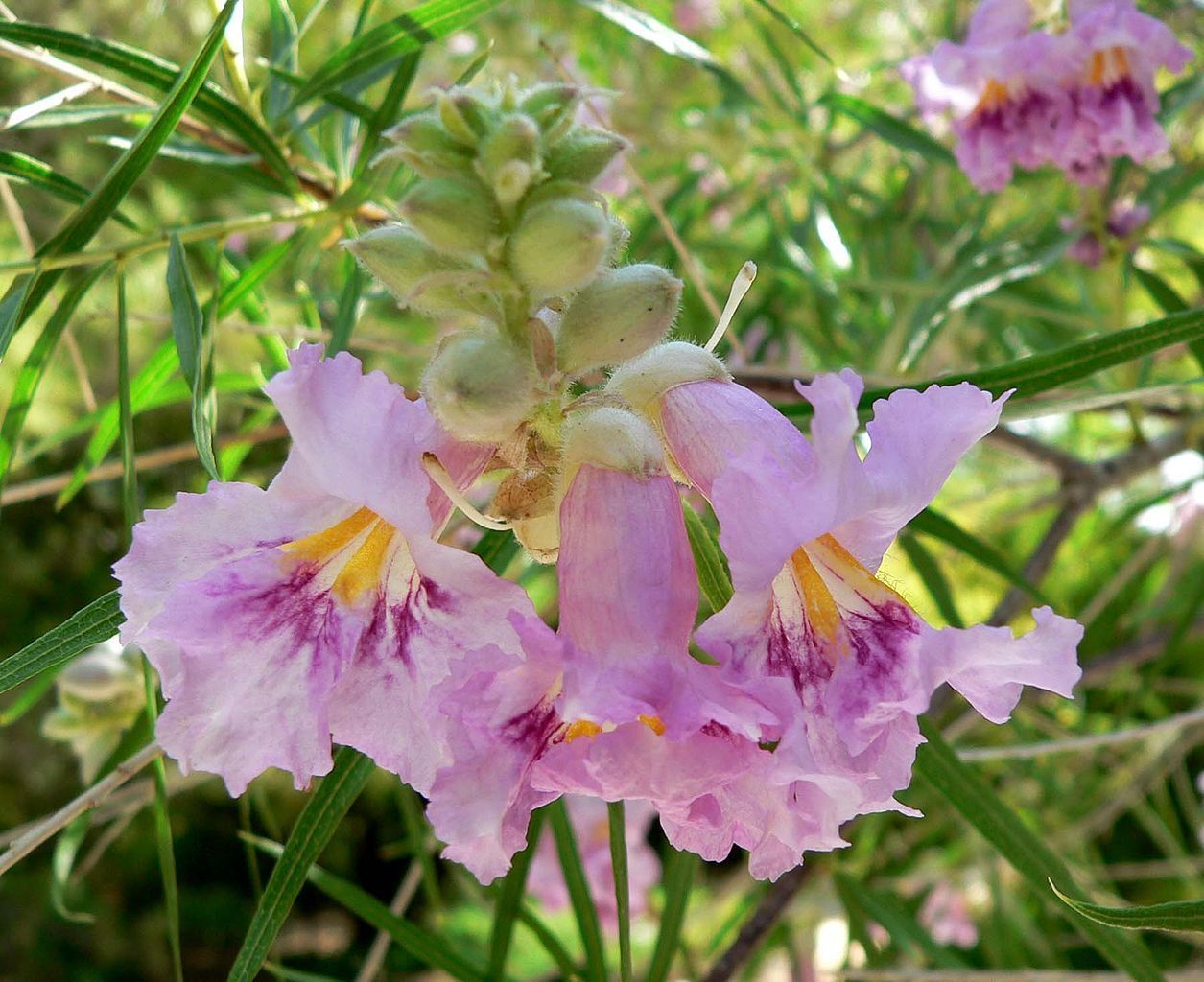
Landscape Rating: ⭐⭐⭐⭐⭐ (5/5 Stars)
Plant CharacteristicsDesert Willow is one of the most beautiful flowering trees of the American Southwest. Native to the deserts and dry washes of Texas, New Mexico, Arizona, Nevada, and northern Mexico, this elegant small tree combines exceptional drought tolerance with a long season of colorful blooms.
Despite its common name, Desert Willow is not a true willow. It earns the name from its narrow, willow-like leaves that create a graceful, airy appearance. Mature specimens typically reach 15 to 30 feet in height and develop a rounded canopy supported by attractive twisting trunks and branches.
From late spring through fall, the tree produces an abundance of orchid-like trumpet flowers in shades of pink, lavender, rose, purple, or white. These showy blossoms often continue for months, making Desert Willow one of the longest-blooming ornamental trees available.
The combination of elegant foliage and continuous flowering makes it a standout specimen for lawns and water-wise landscapes.
Landscape Uses- Specimen lawn tree
- Xeriscape landscapes
- Desert gardens
- Pollinator gardens
- Courtyard plantings
- Accent tree
- Southwestern landscapes
- Wildlife-friendly gardens
Its manageable size and spectacular flowering display make Desert Willow ideal for residential landscapes where year-round interest is desired.
Important Landscape NoteDesert Willow thrives in hot, sunny locations and actually performs best with minimal supplemental irrigation once established. Excessive watering may reduce flowering and shorten the tree's lifespan.
Germination Information- Sow fresh seed on the soil surface or cover very lightly.
- No cold stratification is required.
- Maintain temperatures between 70-85°F.
- Keep lightly moist.
- Provide bright light during germination.
- Germination usually occurs within 1-3 weeks.
- Botanical Name: Chilopsis linearis
- Plant Type: Flowering Deciduous Tree
- USDA Zones: 7-11
- Sun Exposure: Full Sun
- Mature Height: 15-30 Feet
- Mature Spread: 10-25 Feet
- Growth Rate: Moderate to Fast
- Soil Preference: Well-drained soils
- Water Requirements: Low
Desert Willow is highly tolerant of heat, drought, poor soils, and reflected sunlight. Once established, it requires little maintenance and performs exceptionally well in dry climates.
Container GrowingYoung plants may be grown in large containers for several years. Because of its eventual size and root development, permanent landscape planting is recommended for mature specimens.
Pollinator & Wildlife ValueThe nectar-rich flowers attract hummingbirds, butterflies, native bees, and numerous beneficial pollinators throughout the growing season. During peak bloom, the tree becomes a hub of pollinator activity.
Its long flowering period provides valuable nectar when many other landscape plants have stopped blooming.
Historical & Cultural SignificanceDesert Willow has long been admired by Native American peoples and early settlers for its beauty and usefulness. Flexible branches were sometimes used for weaving and crafting, while the tree's ability to survive in harsh desert conditions made it a welcome sight near seasonal water sources.
Today, it is one of the most widely planted ornamental trees throughout the American Southwest and other arid regions of the world.
Botanical Facts- Member of the Trumpet Vine Family (Bignoniaceae).
- Native to the deserts of the southwestern United States.
- Not a true willow despite its common name.
- Produces orchid-like trumpet flowers.
- Blooms for several months each year.
- Highly drought tolerant once established.
Few flowering trees offer as much color with as little water as Desert Willow. Its elegant form, extended bloom season, and exceptional drought tolerance make it one of the finest specimen trees for warm, dry climates.
Additional Seedman NoteMany gardeners are surprised to learn that Desert Willow often flowers continuously from late spring until frost. In favorable climates, a mature tree may remain covered with blooms for six months or more, creating a display that rivals many tropical ornamentals while thriving on a fraction of the water.
For over a thousand more unique seed varieties, all in stock and ready to ship, visit our Seed Catalog Index Page .

Contact Us | Privacy Policy | About Us
Serving gardeners since 1992
State of Mississippi Seedmen's Permit #C-391, Ohio 90152, Minnesota 20086777