
Rose Gum Eucalyptus Seeds
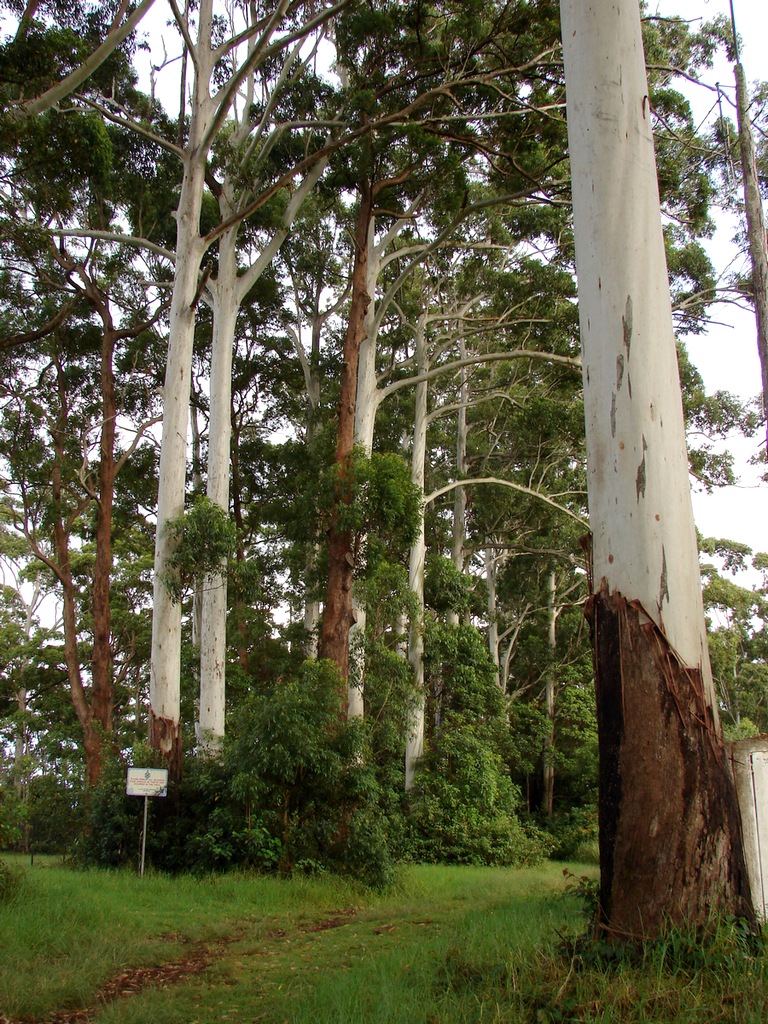
Rose Gum (Eucalyptus grandis), also known as Flooded Gum, is a magnificent fast-growing evergreen tree native to eastern Australia. It is admired for its tall, straight trunk, smooth attractive bark, fragrant foliage, and impressive growth rate. In warm climates with plenty of space, Rose Gum can become a towering shade tree and an outstanding specimen for large landscapes, farms, parks, and reforestation plantings.
This species is one of the most important eucalyptus trees in the world, widely planted for timber, shelterbelts, windbreaks, honey production, and ornamental value. Its smooth bark often displays soft shades of cream, gray, pink, and pale blue as it sheds, giving mature trees a handsome and graceful appearance.
Plant Characteristics- Botanical Name: Eucalyptus grandis
- Common Names: Rose Gum, Flooded Gum, Grand Eucalyptus
- Plant Type: Fast-growing evergreen tree
- Mature Height: 100 to 180 feet or more in ideal conditions
- Light Requirements: Full sun
- Soil: Well-drained sandy, loamy, or fertile soils
- USDA Zones: 9 to 11
Rose Gum is best suited for large properties where it has room to reach its full potential. It makes an impressive shade tree, windbreak, shelterbelt, timber tree, and wildlife-supporting planting. Due to its eventual size and vigorous root system, it should be planted well away from buildings, septic systems, driveways, and utility lines.
Germination InformationEucalyptus seeds are generally easy to germinate. Surface sow the seeds on a sterile seed-starting mix and press them gently into the surface. Do not bury deeply, as the seeds need light and warmth for best results. Keep the soil evenly moist but never soggy.
- Seed Preparation: No stratification required
- Best Temperature: 70 to 85 degrees F
- Germination Time: Usually 10 to 30 days
- Transplanting: Move seedlings before they become root-bound
Rose Gum grows very rapidly when provided with full sun, warm temperatures, and consistent moisture. Young trees may add several feet of growth per year under favorable conditions. Once established, trees show moderate drought tolerance, though best growth occurs where rainfall or irrigation is available during dry periods.
This tree is not recommended for small yards or tight planting spaces. It is a large, vigorous species that performs best in open landscapes where it can develop naturally.
Container GrowingRose Gum can be started in containers and grown as a young nursery plant, but it is not a long-term container tree. Because of its rapid growth and large mature size, seedlings should be transplanted into the ground while young.
Pollinator and Wildlife ValueThe creamy white flowers of Rose Gum are rich in nectar and attractive to honeybees, native bees, butterflies, and other beneficial insects. Mature trees also provide shelter, nesting sites, and perching habitat for birds and other wildlife.
Historical and Botanical InterestEucalyptus grandis is one of the most widely planted hardwood timber trees in the world. Its straight trunk, rapid growth, and useful wood have made it valuable for furniture, flooring, construction lumber, veneer, pulp production, and utility poles. It is also considered one of the tallest flowering trees, capable of reaching remarkable heights in favorable climates.
Seedman Growing TipFor best results, give Rose Gum seedlings bright light from the beginning and avoid letting them become crowded or root-bound. Transplant young trees into a sunny, open location where they will have plenty of room to grow.
Seedman Note: Rose Gum is a spectacular choice for gardeners and landowners who want a fast-growing, aromatic, evergreen tree with beautiful bark and impressive stature. Given warmth, sun, moisture, and space, Eucalyptus grandis can quickly become one of the most striking trees in the landscape.
For additional growing details, see our Rose Gum Eucalyptus Seeds AI fact sheet.
For over a thousand more unique seed varieties, all in stock and ready to ship, visit our Seed Catalog Index Page .

Contact Us | Privacy Policy | About Us
Serving gardeners since 1992
State of Mississippi Seedmen's Permit #C-391, Ohio 90152, Minnesota 20086777