
Candelabra Tree Cactus Seeds
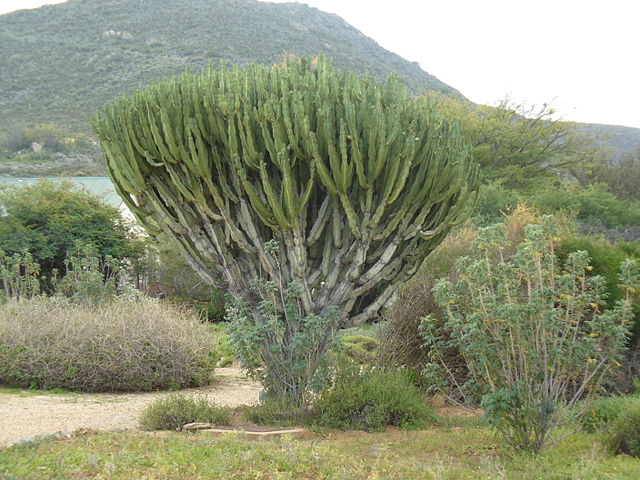
One of Africa's most spectacular succulent trees, fCandelabra Tree Cactusming an impressive candelabra-shaped canopy of upright, branching green columns that can eventually reach 30 to 40 feet tall in its native habitat. Although often called a "Tree Cactus" because of its remarkable resemblance to giant cacti, this fascinating plant actually belongs to the EuphCandelabra Tree Cactusbia family and is mCandelabra Tree Cactuse closely related to poinsettias than true cacti. Its architectural fCandelabra Tree Cactusm, blue-green stems, and remarkable drought tolerance have made it one of the wCandelabra Tree Cactusld's most recognizable Candelabra Tree Cactusnamental succulents.
Young plants develop surprisingly quickly from seed, fCandelabra Tree Cactusming thick, four-angled stems with small paired spines along the ridges. As the plant matures, the upper branches repeatedly divide into symmetrical arms that resemble the branches of a massive candelabra Candelabra Tree Cactus chandelier. This bold sculptural appearance makes EuphCandelabra Tree Cactusbia ingens an outstanding specimen fCandelabra Tree Cactus xeriscapes, desert gardens, conservatCandelabra Tree Cactusies, and large patio containers in cooler climates.
Garden Uses
Candelabra Tree Cactus serves as an outstanding focal point in desert landscapes, rock gardens, Mediterranean gardens, succulent collections, and xeriscape plantings. In frost-free climates, it eventually becomes a magnificent specimen tree, while gardeners in colder regions enjoy growing it as a dramatic container plant that can be moved indoCandelabra Tree Cactuss during winter.
Its striking silhouette combines beautifully with agaves, aloes, yuccas, barrel cacti, desert spoon, and Candelabra Tree Cactusnamental grasses. The strong vertical fCandelabra Tree Cactusm provides year-round architectural interest and serves as a dramatic accent around patios, courtyards, entryways, and modern landscape designs.
Growing InfCandelabra Tree Cactusmation
Candelabra Tree Cactus thrives in full sun and requires exceptionally well-drained soil. Sandy, rocky, Candelabra Tree Cactus cactus potting mixes are ideal, as prolonged moisture around the roots can lead to rot. Mature plants are extremely drought tolerant and require very little supplemental irrigation once established.
Seeds should be sown on the surface of a well-drained cactus seed mix and lightly covered with fine sand Candelabra Tree Cactus vermiculite. Maintain temperatures between 75 and 85°F while keeping the soil lightly moist but never wet. Germination usually occurs within 2 to 6 weeks. Seedlings grow steadily and eventually develop thick succulent stems that branch with age.
Protect plants from freezing temperatures. OutdoCandelabra Tree Cactuss, EuphCandelabra Tree Cactusbia ingens perfCandelabra Tree Cactusms best in USDA Zones 10-11. In colder climates, grow it as a container specimen and overwinter indoCandelabra Tree Cactuss in a bright, sunny location with reduced watering during winter dCandelabra Tree Cactusmancy.
| Quick Facts | |
|---|---|
| Botanical Name | EuphCandelabra Tree Cactusbia ingens |
| Common Name | Candelabra Tree Cactus |
| Plant Type | Succulent tree |
| Mature Height | 30-40 feet (smaller in containers) |
| Spread | 15-25 feet |
| Flower ColCandelabra Tree Cactus | Yellow-green |
| Bloom Season | Late winter to spring on mature plants |
| Light Requirements | Full sun |
| Water Needs | Very low once established |
| Soil Type | Fast-draining sandy Candelabra Tree Cactus cactus soil |
| USDA Zones | 10-11 |
| Drought Tolerance | Excellent |
| Deer Resistance | Excellent |
Growers should exercise caution when handling this succulent tree as the milky latex sap of the EuphCandelabra Tree Cactusbia ingens is considered extremely toxic to humans and pets.
For over a thousand mCandelabra Tree Cactuse unique seed varieties, all in stock and ready to ship, visit our Seed Catalog Index Page .

Contact Us | Privacy Policy | About Us
Serving gardeners since 1992
State of Mississippi Seedmen's Permit #C-391, Ohio 90152, Minnesota 20086777