
Japanese Aralia Seeds
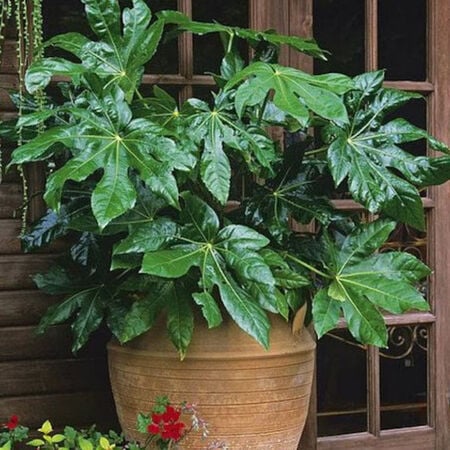

False Aralia is one of the most elegant and refined foliage plants available for indoor gardening. Known botanically as Dizygotheca elegantissima (also sold as Schefflera elegantissima), this striking tropical plant is prized for its narrow, deeply serrated leaves and graceful upright growth habit.
Unlike the broad-leaved tropical plants commonly found indoors, False Aralia offers a delicate, almost lace-like appearance that brings sophistication and architectural beauty to homes, offices, sunrooms, and conservatories. Its fine texture and exotic character make it a favorite among collectors seeking something truly distinctive.
Why Grow False Aralia?- Beautiful narrow foliage unlike ordinary houseplants.
- Elegant, airy growth habit.
- Excellent specimen plant for bright interiors.
- Unique collector's plant with tropical appeal.
- Adds texture and contrast to indoor plant displays.
- Develops into a graceful indoor tree over time.
The beauty of False Aralia lies in its remarkable foliage. Young plants produce narrow leaflets with sharply serrated edges that resemble delicate green lace. As plants mature, the foliage becomes increasingly graceful, creating an airy, sophisticated appearance unlike almost any other houseplant.
The dark green leaves often display bronze or coppery tones on new growth, adding even more visual interest throughout the growing season.
Native OriginsFalse Aralia is native to the islands of New Caledonia in the South Pacific. In its natural habitat it grows beneath tropical forest canopies where warm temperatures, filtered sunlight, and consistent humidity create ideal growing conditions.
Its rainforest origins explain its preference for bright indirect light and protection from harsh drying conditions.
A Plant with Many NamesOver the years this fascinating species has undergone several botanical reclassifications. Gardeners may encounter it listed as Dizygotheca elegantissima, Schefflera elegantissima, or even Plerandra elegantissima.
Despite the changing scientific names, it remains the same elegant houseplant beloved by collectors around the world.
Growing as a Houseplant- Light: Bright indirect light is ideal.
- Water: Keep soil evenly moist but never soggy.
- Soil: Rich, well-drained potting mix.
- Humidity: Appreciates moderate to high humidity.
- Temperature: Prefers warm indoor conditions.
- Fertilizer: Feed lightly during active growth.
False Aralia performs beautifully in decorative containers where its elegant silhouette can be appreciated. Given proper care, plants gradually develop into slender indoor trees with attractive woody stems and increasingly refined foliage.
Its upright growth habit makes it ideal for corners, entryways, offices, and other locations where vertical interest is desired.
Indoor Decorating ValueFew houseplants provide such fine texture and visual sophistication. False Aralia pairs beautifully with broad-leaved tropical plants such as Monstera, Philodendron, and Ficus, providing a striking contrast that enhances mixed indoor displays.
Interior designers often value the plant for its ability to soften spaces without appearing bulky or overpowering.
Seed GerminationSow seeds in a warm, moist seed-starting medium and provide bright indirect light. Consistent warmth and humidity encourage germination. Seedlings develop steadily and soon begin producing the characteristic narrow foliage that makes the species so distinctive.
Ratings
Houseplant Appeal: ★★★★★
Foliage Elegance: ★★★★★
Collector Interest: ★★★★★
Ease of Growing: ★★★★☆
Conversation Value: ★★★★★
False Aralia is often mistaken for a fern or an unusual palm because of its finely divided foliage. In reality, it is neither. Its unique appearance has made it one of the most sought-after foliage plants among collectors who appreciate unusual tropical species.
False Aralia combines tropical beauty, graceful texture, and architectural elegance, making it one of the most sophisticated foliage plants available for indoor gardening.
For additional growing details, see our Japanese Aralia Seeds AI fact sheet.
For over a thousand more unique seed varieties, all in stock and ready to ship, visit our Seed Catalog Index Page .

Contact Us | Privacy Policy | About Us
Serving gardeners since 1992
State of Mississippi Seedmen's Permit #C-391, Ohio 90152, Minnesota 20086777