
Cook's Blue Fir Seeds
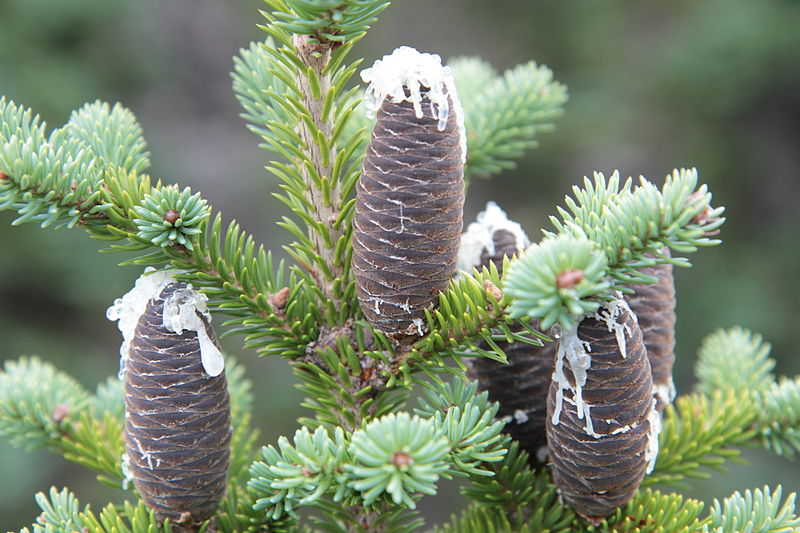
Cook's Blue Fir (Abies balsamea 'Cook's Blue') is a rare and highly desirable selection of Balsam Fir prized for its exceptional silvery-blue foliage, dense pyramidal form, and outstanding cold hardiness. Unlike the typical deep green Balsam Fir, this unique cultivar displays a striking powder-blue coloration that stands out beautifully in the landscape throughout the year. Its naturally symmetrical shape and soft aromatic needles make it one of the finest specimen conifers available for northern gardens.
Whether planted as a focal point in the lawn, incorporated into mixed evergreen borders, or used as a living Christmas tree, Cook's Blue Fir offers year-round beauty with very little maintenance.
⭐⭐⭐⭐⭐ Landscape Tree Rating: 5 out of 5 Stars Plant Characteristics- Botanical Name: Abies balsamea 'Cook's Blue'
- Common Name: Cook's Blue Fir
- Plant Type: Evergreen Conifer
- Mature Height: 25 to 45 feet
- Mature Spread: 12 to 20 feet
- Growth Rate: Moderate
- Sun Exposure: Full Sun to Light Shade
- USDA Zones: 3-7
Cook's Blue Fir is an excellent choice for homeowners seeking a distinctive evergreen specimen. The brilliant blue foliage provides contrast against green landscapes and remains attractive during all seasons.
- Specimen lawn tree
- Accent tree
- Evergreen screening
- Winter interest plantings
- Living Christmas tree
- Estate landscapes
- Conifer collections
- Wildlife shelter plantings
This fir performs best in cooler climates with adequate moisture. It appreciates rich, well-drained soils and may struggle in areas with prolonged heat and humidity. Northern and mountain regions generally provide the finest growth and needle coloration.
Germination InformationLike most firs, Cook's Blue Fir requires a period of cold stratification to break dormancy.
- Soak seeds in water for 24 hours.
- Place in moist peat moss or vermiculite.
- Cold stratify for 30 to 60 days at 34-40°F.
- Sow ¼ inch deep in a well-drained seed-starting mix.
- Maintain temperatures of 60-70°F after sowing.
- Germination generally occurs in 21-60 days.
Cook's Blue Fir thrives in fertile, slightly acidic soils that remain evenly moist but never waterlogged. Young trees benefit from mulching around the root zone to maintain cool soil temperatures and conserve moisture.
Once established, trees require little maintenance beyond occasional watering during extended dry periods.
- Prefers cool summer climates
- Excellent cold tolerance
- Moderate drought tolerance once established
- Minimal pruning required
- Long-lived landscape specimen
Young Cook's Blue Fir trees can be grown in large containers for several years and are often used as living Christmas trees. Use a deep container with excellent drainage and transplant into the landscape before the tree becomes root-bound.
Pollinator ValueAs a conifer, Cook's Blue Fir is wind pollinated and does not produce nectar-rich flowers. However, it contributes significantly to landscape biodiversity by providing shelter and nesting habitat for numerous beneficial species.
Wildlife BenefitsThe dense evergreen branches offer year-round protection for birds and small mammals.
- Nesting sites for songbirds
- Winter shelter for wildlife
- Protective cover during severe weather
- Valuable habitat in northern landscapes
Balsam Fir has long been treasured throughout North America for its fragrant foliage, Christmas tree use, and medicinal resin. Native Americans utilized balsam resin for healing purposes, while early settlers used the aromatic branches for bedding and winter decorations.
Cook's Blue represents one of the most beautiful ornamental selections ever discovered from this beloved species.
Botanical Facts- The needles emit a pleasant balsam fragrance when crushed.
- Needles are soft and flat, making the tree comfortable to handle.
- The silvery-blue coloration is much more intense than standard Balsam Fir.
- Cones develop upright on branches, a characteristic feature of true firs.
- Among the most cold-hardy ornamental conifers available.
Plant Cook's Blue Fir where morning sun and good air circulation are available. A layer of mulch around the root zone helps maintain cool soil conditions and promotes vigorous growth.
Seedman NoteIf you are searching for a truly exceptional evergreen specimen, Cook's Blue Fir deserves serious consideration. Its remarkable powder-blue needles, symmetrical form, and year-round beauty create a landscape focal point that rivals many of the famous blue spruces while offering the soft texture and fragrance unique to firs. It is one of the finest blue conifers available for cold-climate gardens.
For over a thousand more unique seed varieties, all in stock and ready to ship, visit our Seed Catalog Index Page .

Contact Us | Privacy Policy | About Us
Serving gardeners since 1992
State of Mississippi Seedmen's Permit #C-391, Ohio 90152, Minnesota 20086777