
Fragrant False Indigo Seeds
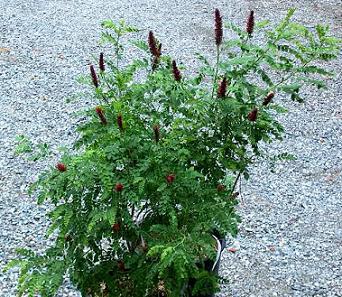
While most people know False Indigo as a hardy prairie and woodland-edge plant, the dwarf species Amorpha nana adapts surprisingly well to container culture. Its compact size, attractive foliage, and unique flowers make it an excellent conversation piece for bright windows, sunrooms, and conservatories.
Indoor Growing InformationFragrant False Indigo performs best in bright light and benefits from several hours of direct sun each day. A sunny south-facing window, enclosed porch, or sunroom provides ideal conditions. Adequate light encourages compact growth and abundant flowering.
Water thoroughly when the upper portion of the soil begins to dry. Once established, the plant demonstrates moderate drought tolerance and generally prefers slightly drier conditions than many common houseplants.
The fine-textured foliage creates a soft, airy appearance even when the plant is not in bloom.
Container GrowingUse a deep container with excellent drainage and a well-drained potting mix. Mature plants typically reach 12 to 24 inches tall in containers, making them suitable for tabletops, plant stands, and sunny indoor locations.
Repot only when necessary, as slightly confined roots often help maintain a compact growth habit.
Temperature and HumidityFragrant False Indigo is highly adaptable and grows well in average household temperatures between 60°F and 80°F. Unlike many tropical houseplants, it tolerates cooler conditions and does not require elevated humidity.
Good air circulation and bright light are generally more important than humidity levels.
FlowersThe flowering spikes are among the plant's most distinctive features. Numerous tiny purple flowers are arranged along upright stems and highlighted by bright golden-orange stamens that create a striking contrast.
Blooming usually occurs during late spring and early summer, with mature plants producing impressive floral displays relative to their size.
Seed GerminationSeeds benefit from scarification prior to planting. Lightly nick the seed coat or soak seeds in warm water for 12 to 24 hours before sowing. Plant approximately ¼ inch deep in a well-drained seed-starting mix and maintain temperatures between 70°F and 80°F.
Keep the growing medium lightly moist until germination occurs. Seedlings develop steadily when provided with bright light and good air circulation.
Houseplant Uses- Native plant collector specimen.
- Flowering sunroom plant.
- Conservatory display.
- Decorative tabletop shrub.
- Educational botanical collection.
- Unique conversation piece.
The name Amorpha means "without form" and refers to the unusual flowers, which possess only a single petal rather than the typical pea-family flower structure. This distinctive characteristic helps make False Indigo unique among flowering legumes.
Like many members of the pea family, Fragrant False Indigo can improve soil fertility by forming beneficial relationships with nitrogen-fixing bacteria.
Historical NotesNative American tribes utilized various Amorpha species for medicinal purposes and as sources of natural dyes. Early settlers also admired the plant for its ornamental qualities and adaptability to difficult growing conditions.
The dwarf species Amorpha nana has long been appreciated by native plant enthusiasts for its manageable size and showy flowers.
Growing TipProvide a slightly cooler winter resting period if possible. Reduced winter growth often encourages stronger flowering during the following growing season.
Seedman NoteFragrant False Indigo is one of those plants that surprises nearly everyone who sees it. The fern-like foliage, unusual purple flower spikes, and native American heritage create a combination rarely found among traditional houseplants.
Additional Seedman NoteFor gardeners seeking something beyond the ordinary tropical houseplant, Fragrant False Indigo offers beauty, fragrance, fascinating botanical history, and the satisfaction of growing a native North American species indoors. Its unique flowers often become one of the most talked-about plants in any collection.
For additional growing details, see our Fragrant False Indigo Seeds AI fact sheet.
For over a thousand more unique seed varieties, all in stock and ready to ship, visit our Seed Catalog Index Page .

Contact Us | Privacy Policy | About Us
Serving gardeners since 1992
State of Mississippi Seedmen's Permit #C-391, Ohio 90152, Minnesota 20086777