
Tea Olive Seeds
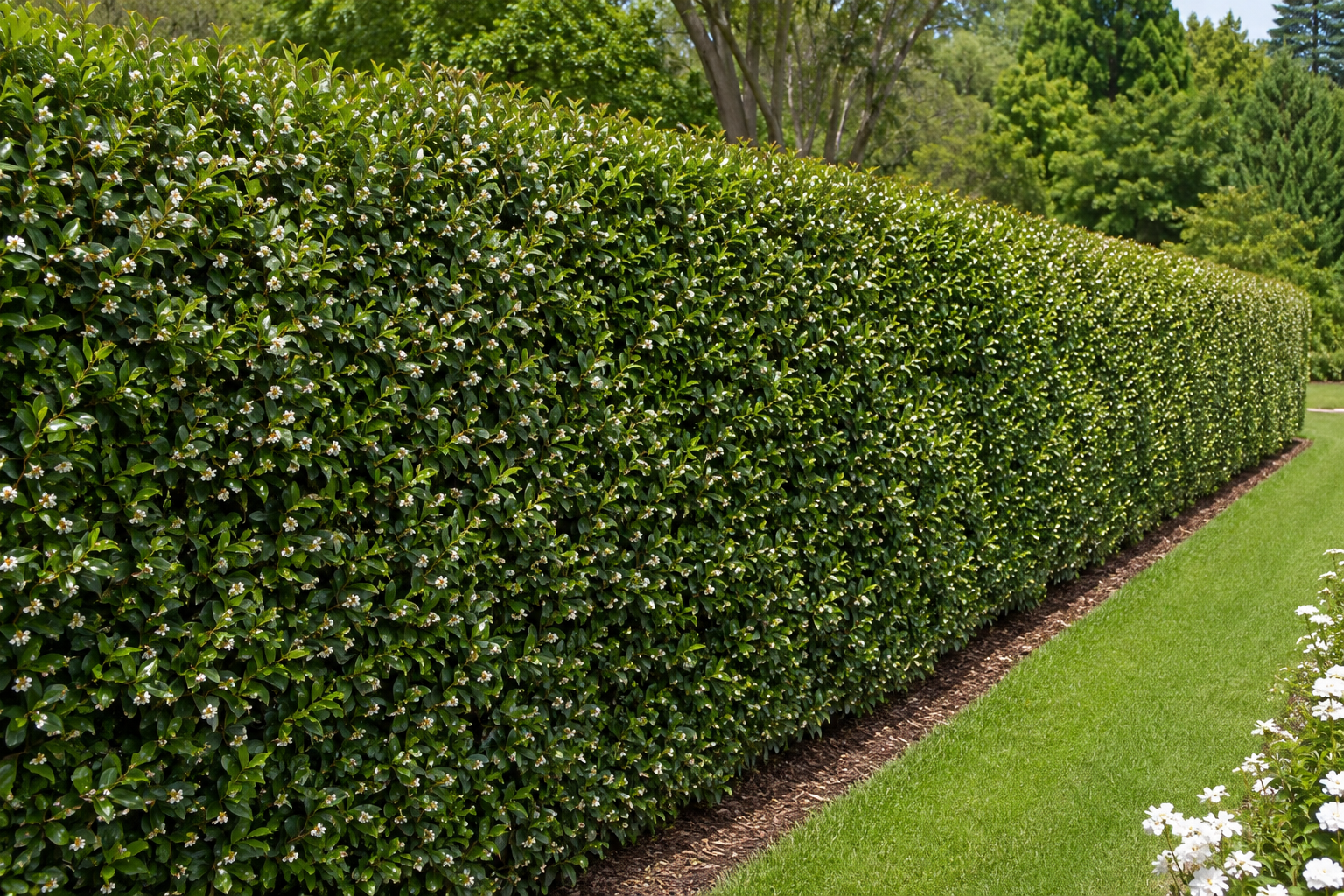
Tea Olive (Osmanthus fragrans) is one of the most treasured fragrant hedge plants for warm climates. This handsome evergreen shrub or small tree is prized for its glossy green foliage, dense growth habit, and tiny, intensely fragrant flowers. Although the blooms are small, their sweet perfume can fill an entire garden, often carrying on the breeze long before the flowers are noticed.
Plant CharacteristicsTea Olive is a broadleaf evergreen shrub or small tree that can reach 10 to 20 feet tall when mature, though it is commonly maintained much shorter as a hedge. The foliage is dark green, glossy, and attractive throughout the year. In season, the plant produces small white, cream, or pale orange flowers with a powerful sweet fragrance often compared to apricot, peach, jasmine, and ripe fruit.
Landscape UsesTea Olive is excellent for formal hedges, informal privacy screens, foundation plantings, fragrant walkways, courtyard gardens, patio borders, and mixed evergreen plantings. It is especially valuable near entrances, porches, windows, and garden paths where its fragrance can be enjoyed up close.
Important Hedge NoteTea Olive is one of the finest flowering hedge plants for southern gardens. Unlike many hedge plants that offer only foliage, Tea Olive provides year-round greenery along with wonderfully fragrant flowers. It can be maintained as a clipped formal hedge or allowed to grow naturally into a graceful informal screen. For hedge use, plants are commonly spaced about 4 to 6 feet apart.
Germination InstructionsTea Olive seed can be slow and irregular to germinate. Soak seeds in warm water for 24 hours before planting. Sow in a moist, well-drained seed-starting mix and cover lightly with soil. Keep the medium evenly moist but not soggy, and maintain warm temperatures of about 70 to 80 degrees F. Germination may take several weeks to several months, so patience is important.
Growing InformationTea Olive grows best in full sun to partial shade and prefers fertile, well-drained soil. Plants appreciate moderate moisture while becoming established, but mature specimens are fairly drought tolerant once their roots are well developed. Pruning is best done after flowering or as needed to maintain the desired hedge shape.
Container GrowingYoung Tea Olive plants grow well in containers and make outstanding patio or entryway specimens. Start young plants in a 3 to 5 gallon container and move them into larger pots as they mature. For long-term container growing, a 15 to 25 gallon container is recommended. Use a well-drained potting mix and water regularly, especially during hot weather.
Pollinator ValueThe small, fragrant flowers attract bees, butterflies, and other beneficial insects. Even though the blooms are not large or showy, their rich fragrance makes them very attractive to pollinators when in bloom.
Wildlife ValueA mature Tea Olive hedge provides dense evergreen cover for songbirds and other small wildlife. Birds may use the hedge for shelter, nesting protection, and escape cover throughout the year.
Historical and Cultural SignificanceTea Olive has been cultivated in China for over 2,000 years and is deeply associated with fragrance, beauty, prosperity, and celebration. Its blossoms have traditionally been used to scent tea, flavor desserts, perfume gardens, and create aromatic wines. In parts of Asia, the blooming of Tea Olive is considered a seasonal sign of autumn.
Interesting Botanical FactsThe name Osmanthus means fragrant flower, a fitting name for one of the sweetest scented shrubs in cultivation. The flowers are often so small they are overlooked, yet their fragrance can carry a surprising distance. Orange-flowered forms are especially prized in Asia, while white-flowered forms remain popular for hedges and ornamental plantings.
Seedman NoteFew hedge plants can rival Tea Olive for fragrance. A mature hedge in bloom can transform an ordinary landscape into a memorable garden experience. Visitors often notice the wonderful perfume before they ever notice the tiny flowers.
Additional Seedman NoteFor gardeners in warm climates looking for both privacy and fragrance, Tea Olive is one of the best hedge plants available. Its dense evergreen foliage, excellent pruning tolerance, and legendary sweet scent make it a premium choice for patios, walkways, entry gardens, and property borders.
Hedge Plant Rating- Privacy Screening: ★★★★☆
- Evergreen Foliage: ★★★★★
- Fragrance: ★★★★★
- Pruning Tolerance: ★★★★★
- Drought Tolerance: ★★★★☆
- Pollinator Value: ★★★★☆
- Wildlife Value: ★★★☆☆
- Overall Hedge Performance: ★★★★★
Overall Hedge Rating: ★★★★★ - Tea Olive is a premier evergreen hedge plant for warm climates, combining handsome foliage, excellent screening ability, and one of the most delightful fragrances of any garden shrub.
For additional growing details, see our Tea Olive Seeds AI fact sheet.
For over a thousand more unique seed varieties, all in stock and ready to ship, visit our Seed Catalog Index Page .

Contact Us | Privacy Policy | About Us
Serving gardeners since 1992
State of Mississippi Seedmen's Permit #C-391, Ohio 90152, Minnesota 20086777