
American Filbert Seeds
 <
<
American Filbert, also known as American Hazelnut, is a hardy native shrub prized for its delicious edible nuts, wildlife value, adaptability, and ornamental beauty. Native to much of eastern and central North America, Corylus americana has long been valued by Native Americans, early settlers, and modern gardeners as both a food-producing plant and an important component of healthy ecosystems.
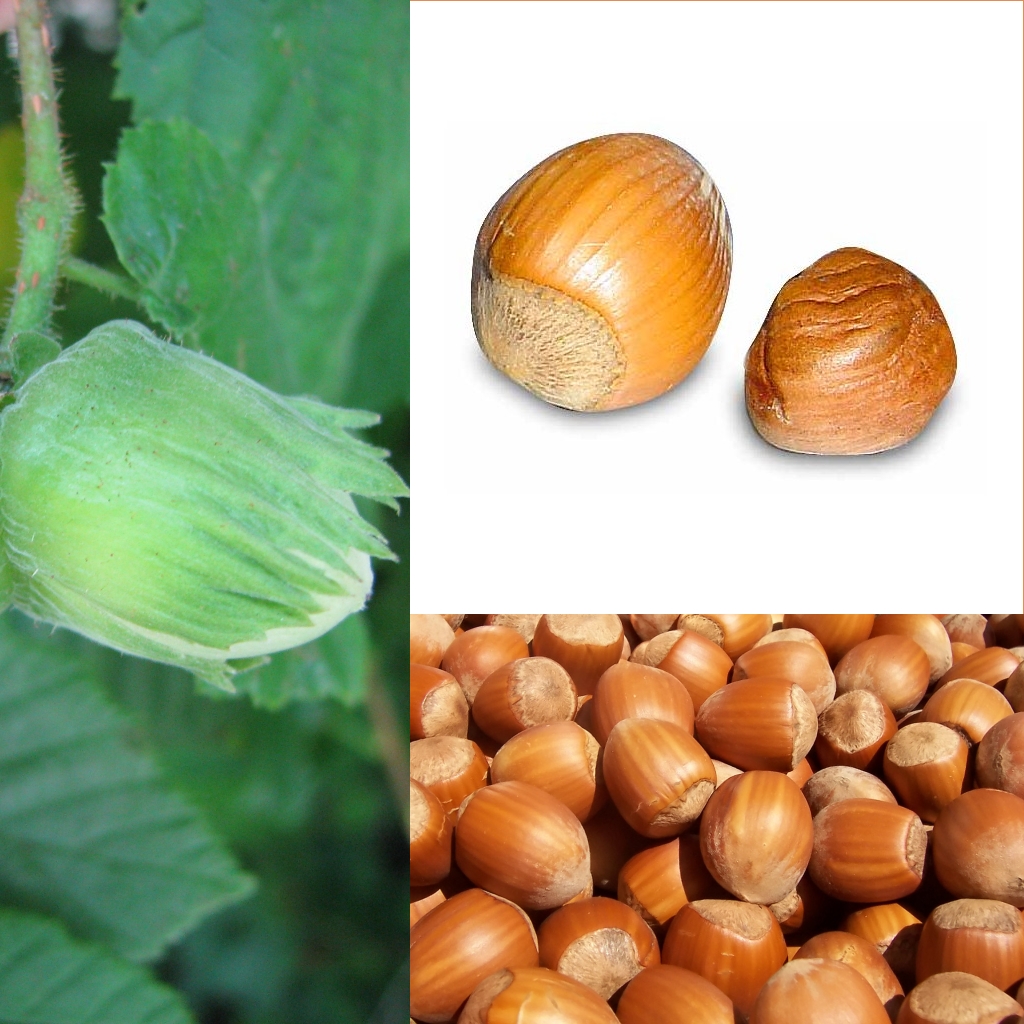
This attractive multi-stemmed shrub produces clusters of sweet, flavorful hazelnuts enclosed in decorative leafy husks. The nuts are highly nutritious and can be eaten fresh, roasted, baked into desserts, or used in a variety of recipes. Their rich flavor is similar to commercial hazelnuts but often carries a distinctive wild character.
Beyond its edible harvest, American Filbert serves as an outstanding wildlife plant. The nuts are eagerly sought by squirrels, chipmunks, wild turkeys, deer, blue jays, and many other animals. Its dense growth habit also provides valuable nesting and shelter habitat for birds and small mammals.
Uses- Edible nut production.
- Wildlife habitat plantings.
- Natural hedges and screens.
- Native landscaping.
- Food forest plantings.
- Erosion control.
- Pollinator gardens.
- Conservation projects.
- Remove nuts from husks after harvest.
- Keep nuts moist and do not allow them to dry out completely.
- Mix nuts with moist peat moss, sand, or vermiculite.
- Cold stratify for 90-120 days at 34-40°F (1-4°C).
- Plant nuts 1 inch deep in well-drained soil.
- Keep soil consistently moist.
- Protect newly planted nuts from rodents.
- Germination usually occurs in spring following stratification.
- Botanical Name: Corylus americana
- Plant Type: Deciduous nut-producing shrub
- USDA Zones: 4-9
- Sun Exposure: Full sun to partial shade
- Soil: Adaptable to a wide range of soils
- Water: Moderate moisture
- Height: 8-15 feet
- Spread: 8-15 feet
- Growth Rate: Moderate
- Nut Harvest: Late summer to early fall
American Filbert is highly adaptable and grows well in a variety of soil types and climates. It is tolerant of cold winters, occasional drought, and many challenging growing conditions. Once established, it requires relatively little maintenance.
Wildlife ValueFew native shrubs provide as much wildlife benefit as American Filbert. The nuts are a valuable food source for squirrels, chipmunks, deer, wild turkeys, grouse, blue jays, woodpeckers, and numerous other species. The dense branching structure provides nesting cover and escape habitat throughout the year.
Pollinator BenefitsAmerican Filbert produces long, attractive catkins that release pollen very early in the season. These early blooms contribute to the ecological value of the plant and support healthy native ecosystems.
Special Features- Produces delicious edible hazelnuts.
- Excellent wildlife food source.
- Native North American species.
- Forms attractive natural hedges.
- Cold hardy and adaptable.
- Suitable for food forests.
- Excellent erosion control plant.
- Supports birds and pollinators.
Hazelnuts are rich in healthy fats, protein, dietary fiber, vitamin E, magnesium, manganese, and antioxidants. They are widely regarded as one of the most nutritious tree nuts and have been an important food source for both humans and wildlife for centuries.
History and Interesting FactsAmerican Filbert was an important food source for Native American tribes throughout its natural range long before European settlement. The nuts were gathered, stored, and traded, providing valuable nutrition during winter months.
The word "filbert" is believed to trace back to medieval Europe and became associated with hazelnuts because harvest often coincided with the feast day of Saint Philibert. Today, the terms "filbert" and "hazelnut" are often used interchangeably.
Seedman Growing NoteFor best nut production, plant multiple seedlings whenever possible. Although American Filbert can produce nuts on its own, cross-pollination between genetically different plants generally improves yields and nut set.
One of the greatest advantages of American Filbert is its versatility. It can function as a wildlife shrub, edible landscape plant, windbreak, hedge, pollinator plant, and conservation species all at the same time. Few native plants provide as many benefits in such a manageable size.
American Filbert (Corylus americana) is a rewarding native shrub that combines edible nuts, wildlife value, ecological importance, and landscape beauty. Whether planted for food production, habitat enhancement, or conservation, it remains one of North America's finest native nut-bearing plants.
For additional growing details, see our American Filbert Seeds AI fact sheet.
For over a thousand more unique seed varieties, all in stock and ready to ship, visit our Seed Catalog Index Page .

Contact Us | Privacy Policy | About Us
Serving gardeners since 1992
State of Mississippi Seedmen's Permit #C-391, Ohio 90152, Minnesota 20086777