
American Persimmon Seeds
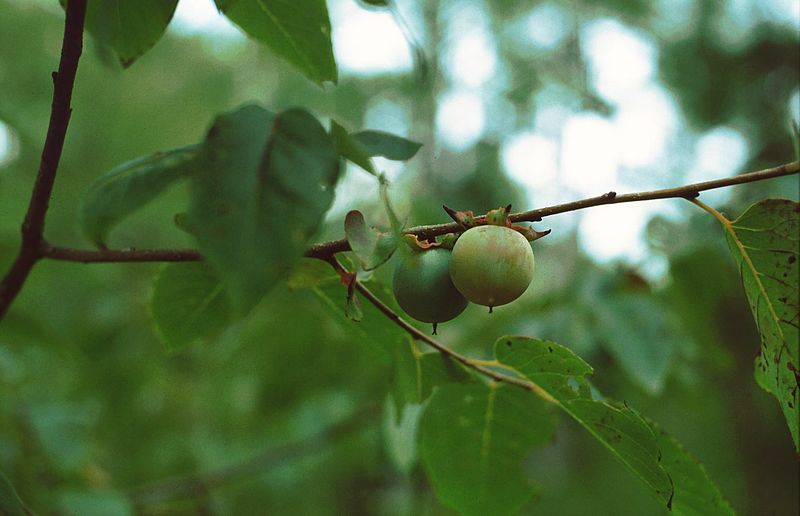
American Persimmon is a treasured native fruit tree known for its sweet autumn fruits, outstanding wildlife value, exceptional hardiness, and rich historical significance. Native to much of the eastern United States, Diospyros virginiana has provided food for Native Americans, early settlers, and wildlife for centuries.
This attractive deciduous tree produces glossy green foliage during the growing season, followed by beautiful yellow to orange fall color. In autumn, branches become decorated with round orange fruits that often remain on the tree after the leaves have fallen, creating a striking display.
The fruits are famous for their dramatic transformation during ripening. Unripe persimmons are extremely astringent, but fully ripe fruits become soft, sweet, and rich with flavors often compared to apricot, honey, dates, brown sugar, and pumpkin pie. Many fruit enthusiasts consider fully ripe American Persimmons among the finest native fruits in North America.
Uses- Fresh eating.
- Persimmon pudding.
- Breads and baked goods.
- Jams and preserves.
- Fruit leather.
- Wildlife habitat plantings.
- Edible landscaping.
- Native food forests.
- Remove seeds from ripe fruits and clean thoroughly.
- Soak seeds in water for 24 hours.
- Mix seeds with moist peat moss or vermiculite.
- Cold stratify for 60-90 days at 35-40°F (2-4°C).
- Sow seeds 1/2 inch deep in a well-drained growing medium.
- Maintain even moisture.
- Provide warmth after planting.
- Germination may occur gradually over several weeks.
- Botanical Name: Diospyros virginiana
- Plant Type: Deciduous fruit tree
- USDA Zones: 4-9
- Sun Exposure: Full sun
- Soil: Adaptable to a wide variety of soils
- Water: Moderate; drought tolerant once established
- Height: 30-60 feet
- Spread: 20-35 feet
- Growth Rate: Moderate
- Fruit Ripens: Fall
American Persimmon is highly adaptable and grows well in a wide range of soil conditions, including clay soils and sites where many fruit trees struggle. Once established, it demonstrates excellent drought tolerance and longevity.
Fruit CharacteristicsThe fruits ripen in autumn and continue sweetening after frost. When fully mature, they develop a rich, custard-like texture and remarkable sweetness. Historically, the fruits have been used in puddings, breads, cakes, preserves, and traditional regional recipes throughout the American South and Midwest.
Wildlife ValueAmerican Persimmon is one of the finest wildlife fruit trees in North America. Deer, foxes, raccoons, opossums, squirrels, black bears, wild turkeys, songbirds, and many other animals eagerly consume the ripe fruits. Few native fruit trees provide as much wildlife value.
Special Features- Native North American fruit tree.
- Produces exceptionally sweet fruits.
- Outstanding wildlife food source.
- Highly adaptable and hardy.
- Excellent fall color.
- Drought tolerant once established.
- Long-lived and productive.
- Ideal for food forests and homesteads.
Persimmons are rich in vitamins A and C, dietary fiber, antioxidants, and beneficial plant compounds. The sweet fruits have been enjoyed for centuries as both a fresh food and an ingredient in traditional recipes.
History and Interesting FactsAmerican Persimmon was an important food source for Native American tribes long before European settlement. Early colonists quickly adopted the fruit and incorporated it into puddings, breads, and fermented beverages.
The scientific name Diospyros comes from ancient Greek and is often translated as "Fruit of the Gods." Few fruits carry a more impressive botanical name.
During the American Civil War, roasted persimmon seeds were occasionally used as a coffee substitute when traditional coffee was unavailable.
Seedman Growing NoteMany first-time growers make the mistake of tasting persimmons before they are fully ripe. Unripe fruits are intensely astringent and can leave a memorable impression. Patience is rewarded, however, because fully ripe fruits become exceptionally sweet and flavorful.
American Persimmon is often either male or female, although some trees may produce both flower types. Planting multiple seedlings increases the likelihood of obtaining fruit-producing trees and improves pollination opportunities.
One of the greatest strengths of this species is its adaptability. It thrives where many fruit trees struggle and often remains productive for generations with minimal care.
American Persimmon (Diospyros virginiana) is a remarkable native fruit tree that combines beauty, wildlife value, historical importance, and delicious fruit. Whether planted for its harvest, ecological benefits, or connection to America's natural heritage, it remains one of the finest native fruit trees available.
For over a thousand more unique seed varieties, all in stock and ready to ship, visit our Seed Catalog Index Page .

Contact Us | Privacy Policy | About Us
Serving gardeners since 1992
State of Mississippi Seedmen's Permit #C-391, Ohio 90152, Minnesota 20086777