
American Plum Seeds
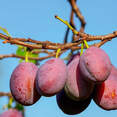
American Plum is a hardy native fruit tree and large shrub found throughout much of the United States and southern Canada. Famous for its clouds of fragrant white spring blossoms and abundant crops of sweet-tart plums, this adaptable species has been an important food source for wildlife and humans for centuries.
In spring, American Plum becomes one of the most beautiful flowering native trees, covering itself with masses of white blossoms before the leaves emerge. By late summer, the branches are laden with colorful fruits ranging from yellow and red to deep crimson, depending upon the individual plant.
Its combination of ornamental beauty, edible fruit, wildlife benefits, and exceptional hardiness has made American Plum one of the most valuable native fruit trees available to gardeners.
Plant Characteristics- Botanical Name: Prunus americana
- Common Names: American Plum, Wild Plum, River Plum
- Plant Type: Deciduous fruit tree or large shrub
- USDA Zones: 3-8
- Height: 10-25 feet
- Spread: 10-20 feet
- Sun Requirements: Full sun
- Flower Color: White
- Bloom Time: Early spring
- Fruit Color: Yellow, red, crimson, or purple-red
The fruits are round, juicy plums with sweet-tart flesh surrounding a central stone. While highly enjoyable fresh, they are especially prized for preserves and traditional recipes.
- Fresh eating
- Jellies and jams
- Fruit preserves
- Pies and cobblers
- Fruit wines
- Syrups
- Dried fruit
- Wild food harvests
The fruits typically ripen from midsummer through early fall and are often sweeter after full ripening on the tree.
Important NoteAmerican Plum often spreads by root suckers and can form attractive thickets. This natural growth habit makes it especially useful for wildlife plantings, windbreaks, erosion control, and naturalized landscapes.
Germination Instructions- Remove pits from fully ripe fruits.
- Clean thoroughly and allow to dry briefly.
- Cold stratify for 90-120 days at 34-40°F.
- Sow approximately 1 inch deep in a well-drained growing medium.
- Maintain moderate moisture.
- Provide temperatures of 65-75°F after stratification.
- Germination generally occurs during spring warming.
- Transplant seedlings once established.
American Plum grows best in full sun and adapts to a wide range of soil conditions. It tolerates clay soils, sandy soils, periodic drought, and cold winters better than many cultivated plum varieties.
The tree grows relatively quickly and often begins flowering and fruiting at a young age. Because it is native to a broad geographic range, it adapts well to diverse climates and growing conditions.
Minimal maintenance is required once established.
Container GrowingAmerican Plum can be grown in large containers while young but is generally best suited for permanent landscape planting.
- Use deep containers with excellent drainage.
- Provide full sun.
- Water regularly during establishment.
- Prune as needed for size control.
- Transplant to the landscape as the tree matures.
Because of its eventual size and tendency to sucker, long-term field planting is recommended.
Pollinator ValueAmerican Plum is an outstanding pollinator plant. The early spring flowers provide abundant nectar and pollen for bees, native pollinators, butterflies, and beneficial insects.
When in bloom, trees often hum with pollinator activity.
Wildlife ValueFew native fruit trees offer more wildlife value. Birds, deer, foxes, raccoons, opossums, and many other animals consume the fruits. The dense thickets provide nesting habitat, shelter, and protection from predators.
For wildlife plantings, American Plum is often considered one of the most valuable native fruit producers available.
Historical and Cultural SignificanceNative American tribes harvested American Plum fruits long before European settlement. The fruits were eaten fresh, dried for winter use, and incorporated into a variety of traditional foods.
Early settlers quickly adopted the species for jams, preserves, and orchard plantings. Because of its hardiness, American Plum also contributed valuable genetics to modern plum breeding programs.
Today, it remains one of the most widely distributed native fruit trees in North America.
Interesting Botanical Facts- American Plum often blooms before its leaves emerge.
- It is native across much of the United States and southern Canada.
- The species naturally forms wildlife-friendly thickets.
- It has contributed genetic traits to many cultivated plum varieties.
- The flowers are among the earliest spring nectar sources for pollinators.
American Plum may be one of the most useful native fruit trees ever grown in North America. It offers beautiful spring flowers, edible fruits, exceptional wildlife value, and remarkable adaptability. In many rural areas, old plum thickets planted generations ago continue producing fruit and supporting wildlife today. For gardeners interested in native fruits, edible landscaping, pollinator gardens, or wildlife habitat, American Plum is a true multipurpose tree that earns its place in almost any landscape.
For additional growing details, see our American Plum Seeds AI fact sheet.
For over a thousand more unique seed varieties, all in stock and ready to ship, visit our Seed Catalog Index Page .

Contact Us | Privacy Policy | About Us
Serving gardeners since 1992
State of Mississippi Seedmen's Permit #C-391, Ohio 90152, Minnesota 20086777