
Amur Grape Seeds
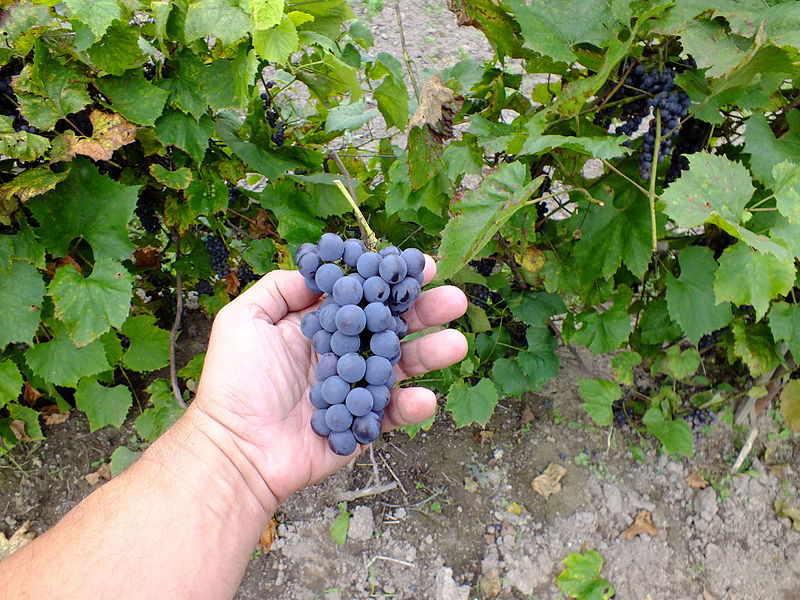
Amur Grape is a vigorous deciduous vine native to the Amur River region of northeastern China, eastern Russia, and Korea. Famous for its extraordinary cold hardiness, rapid growth, ornamental beauty, and edible fruits, it has become an important species in grape breeding programs throughout the world.
Large clusters of grapes develop in late summer and autumn, while the foliage often transforms into brilliant shades of scarlet, crimson, orange, and burgundy during fall. Combined with its ability to tolerate severe winter conditions, Amur Grape has earned a reputation as one of the toughest grape species known.
Its beauty, hardiness, and historical importance make it an outstanding choice for edible landscapes and ornamental plantings.
Plant Characteristics- Botanical Name: Vitis amurensis
- Common Names: Amur Grape, Amur River Grape
- Plant Type: Deciduous woody vine
- USDA Zones: 3-8
- Height: 20-50 feet or more with support
- Spread: Variable depending on training
- Sun Requirements: Full sun to partial shade
- Flower Color: Yellow-green
- Bloom Time: Late spring
- Fruit Color: Blue-black to purple-black
The fruits develop in hanging grape clusters and possess a sweet-tart flavor. While often more acidic than cultivated table grapes, they are highly useful for processing.
- Fresh eating
- Jellies and jams
- Juices
- Homemade wines
- Fruit preserves
- Wildlife food source
- Breeding programs
- Edible landscaping
Fruit quality varies among individual plants, providing opportunities for selecting superior specimens.
Important NoteAmur Grape is famous for its exceptional cold tolerance. Mature plants can survive temperatures approaching -40°F, making it one of the hardiest grape species known.
Germination Instructions- Remove seeds from ripe grapes.
- Wash thoroughly to remove pulp.
- Cold stratify for 60-90 days at 34-40°F.
- Sow approximately 1/4 to 1/2 inch deep.
- Maintain moderate moisture.
- Provide temperatures of 65-75°F after stratification.
- Germination generally occurs in spring.
- Provide support as seedlings grow.
Amur Grape grows vigorously in full sun and adapts to a wide range of soil conditions. It is generally more tolerant of cold climates than most cultivated grapes and performs particularly well in regions with harsh winters.
Plants benefit from trellises, arbors, fences, or other sturdy supports.
Regular pruning helps maintain productivity and control growth.
Container GrowingYoung plants may be grown in containers during establishment.
- Use large containers with good drainage.
- Provide sturdy support structures.
- Maintain regular moisture.
- Provide full sun whenever possible.
- Transplant into the landscape as plants mature.
Permanent planting is recommended for long-term success.
Pollinator ValueThe flowers attract bees and numerous beneficial insects. Blooming vines contribute valuable nectar and pollen resources during the growing season.
Good pollinator activity improves fruit production.
Wildlife ValueThe fruits are eagerly consumed by songbirds, game birds, and many mammals. Dense vines provide nesting sites, shelter, and cover for wildlife.
Amur Grape is often considered an excellent wildlife-support plant.
Historical and Cultural SignificanceNative peoples of northeastern Asia have utilized Amur Grape for centuries. During the twentieth century, plant breeders recognized its tremendous value as a source of cold-hardiness genes for developing improved grape varieties.
Today, Amur Grape genetics contribute to many cold-climate grape breeding programs around the world.
Its influence has helped expand grape cultivation into regions once considered too cold for successful vineyards.
Interesting Botanical Facts- Amur Grape is among the most cold-hardy grape species known.
- Fall foliage can rival ornamental maples for color.
- The species has played a major role in modern grape breeding.
- Some vines can grow more than 20 feet in a single season.
- It naturally occurs in forests, river valleys, and mountain regions.
For gardeners in northern climates, Amur Grape is nothing short of remarkable. While many grape species struggle with severe winters, Amur Grape thrives where temperatures regularly plunge far below zero. Add beautiful foliage, edible fruits, rapid growth, and excellent wildlife value, and it becomes one of the most versatile hardy vines available. Few plants can transform a fence, arbor, or trellis more quickly while also producing useful fruit.
Its spectacular autumn colors often surprise gardeners who initially plant it only for the grapes.
Additional Seedman NoteOne of the most important contributions of Amur Grape may never be seen directly by gardeners. Breeders have used its genetics to develop grape varieties capable of surviving winters that would destroy traditional European grapes. In many northern vineyard regions, the success of modern cold-hardy wine grapes can be traced back to the remarkable toughness inherited from Amur Grape. In a very real sense, this wild Asian vine helped bring grape growing to some of the coldest wine-producing regions on Earth.
Note: These seeds need to be cold statified before sowing. We recommend using the Seedman's Cold Stratification Kits for cold stratification.
For additional growing details, see our Amur Grape Seeds AI fact sheet.
For over a thousand more unique seed varieties, all in stock and ready to ship, visit our Seed Catalog Index Page .

Contact Us | Privacy Policy | About Us
Serving gardeners since 1992
State of Mississippi Seedmen's Permit #C-391, Ohio 90152, Minnesota 20086777