
Asian Pear Seeds
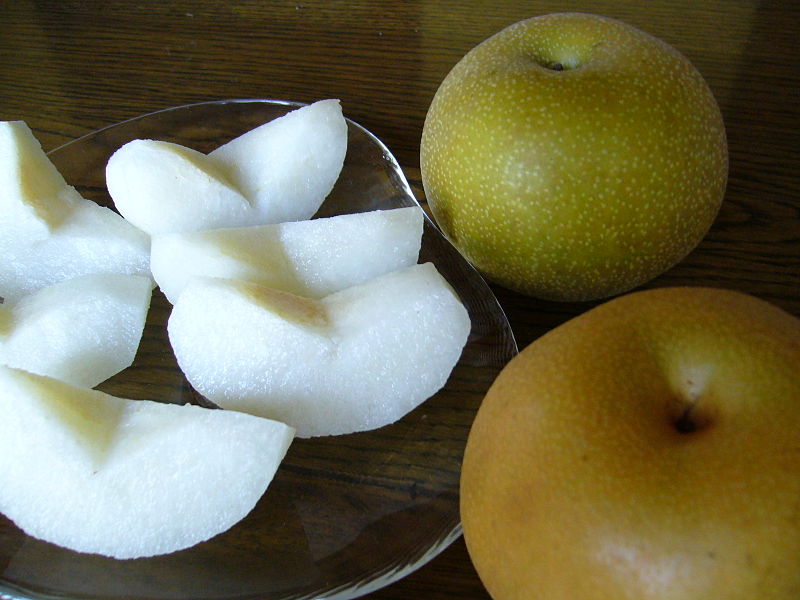
Sand Pear is a hardy deciduous fruit tree closely related to the famous Asian Pears. Native to northern China and surrounding regions, it is admired for its beautiful spring blossoms, attractive fruits, excellent cold tolerance, and adaptability to a wide range of growing conditions.
In spring, the tree becomes covered with masses of fragrant white flowers that rival ornamental flowering trees for beauty. By late summer and autumn, these blossoms mature into crisp fruits with a refreshing sweet flavor. The tree's attractive shape, colorful fall foliage, and dependable performance have made it a valuable species for both fruit production and ornamental planting.
For gardeners seeking an unusual pear relative with excellent hardiness and historical significance, Sand Pear is a fascinating choice.
Plant Characteristics- Botanical Name: Pyrus phaeocarpa
- Common Names: Sand Pear, Chinese Sand Pear
- Plant Type: Deciduous fruit tree
- USDA Zones: 4-8
- Height: 20-40 feet
- Spread: 15-30 feet
- Sun Requirements: Full sun
- Flower Color: White
- Bloom Time: Early to mid spring
- Fruit Color: Yellow-brown to russet-brown
The fruits resemble small Asian pears, with crisp flesh and a refreshing flavor. Depending on growing conditions and genetics, fruits may range from mildly sweet to pleasantly aromatic.
- Fresh eating
- Fruit salads
- Preserves
- Pear sauces
- Desserts
- Traditional Asian cuisine
- Wildlife food source
- Home orchards
The crisp texture and refreshing taste make the fruits especially enjoyable when fully ripe.
Important NoteSand Pear is often valued as much for its hardiness and breeding potential as for its fruit. It has contributed valuable genetics to the development of modern Asian pear varieties and rootstocks.
Germination Instructions- Extract seeds from fully ripe fruits.
- Clean thoroughly and allow to dry briefly.
- Cold stratify for 60-90 days at 34-40°F.
- Sow approximately 1/2 inch deep in a well-drained growing medium.
- Maintain moderate moisture.
- Provide temperatures of 65-75°F following stratification.
- Germination generally occurs in spring.
- Transplant seedlings once established.
Sand Pear grows best in full sun and fertile, well-drained soil. It tolerates a broad range of soil conditions and generally exhibits excellent resistance to environmental stress.
Once established, trees become relatively drought tolerant and require minimal maintenance beyond occasional pruning and watering during prolonged dry periods.
The species performs particularly well in regions with cold winters and warm summers.
Container GrowingContainer culture is practical while plants are young but is generally not recommended long term.
- Use deep containers with excellent drainage.
- Provide full sun.
- Water regularly during establishment.
- Avoid prolonged root restriction.
- Transplant into the landscape as growth accelerates.
Permanent orchard or landscape planting provides the best long-term performance.
Pollinator ValueThe masses of white spring flowers attract honeybees, native bees, and many other beneficial pollinators. Flowering trees often become major nectar sources during the spring season.
Good pollinator activity helps improve fruit set and overall productivity.
Wildlife ValueBirds and small mammals consume fallen fruits, while the tree provides nesting opportunities and shelter. The flowers support pollinator populations and contribute to overall landscape biodiversity.
Historical and Cultural SignificancePears have been cultivated in China for thousands of years, and Sand Pear represents part of the rich genetic heritage from which many modern Asian pears originated. For centuries, these hardy pear relatives were valued for food production, adaptation to challenging climates, and use in breeding programs.
The species continues to be important for preserving genetic diversity within the pear family.
Interesting Botanical Facts- Sand Pear belongs to the same genus as European and Asian pears.
- Its flowers closely resemble those of ornamental flowering pears.
- The species is highly cold hardy.
- It has contributed useful genetics to cultivated pear breeding.
- Fall foliage often develops attractive shades of yellow, orange, and red.
Sand Pear reminds us that many of today's popular fruits originated from hardy wild ancestors. While modern pears have been selected for size and sweetness, species such as Sand Pear provided the toughness, adaptability, and disease resistance that made those improvements possible. For gardeners interested in fruit history, breeding, or unusual edible plants, growing Sand Pear offers a chance to experience one of the building blocks of the modern pear family tree.
Its beautiful spring flowers alone would justify planting it, but the added bonus of edible fruits and exceptional hardiness makes it even more appealing.
Note: These seeds will require cold stratification, you may need to purchase our Cold Stratification Kit
For additional growing details, see our Asian Pear Seeds AI fact sheet.
For over a thousand more unique seed varieties, all in stock and ready to ship, visit our Seed Catalog Index Page .