
Beach Plum Seeds
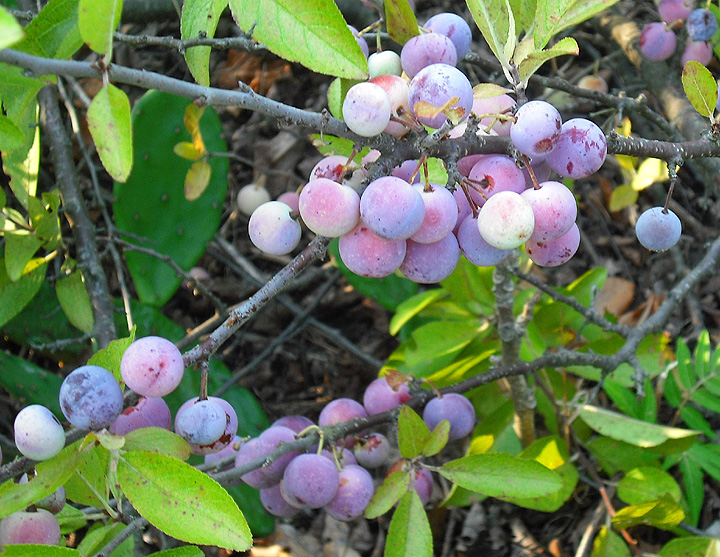
Beach Plum is a hardy native fruiting shrub found naturally along the Atlantic Coast of North America. Famous for its ability to thrive in coastal dunes and sandy soils, this rugged plant produces fragrant spring flowers followed by attractive purple fruits that have been enjoyed for generations.
Growing where many other fruit plants struggle, Beach Plum has adapted to salt spray, ocean winds, drought, and poor soils. Its beautiful blossoms, edible fruits, and exceptional wildlife value have made it increasingly popular in edible landscapes, native plant gardens, and coastal restoration projects.
Today, Beach Plum is considered one of the finest native fruiting shrubs for gardeners seeking beauty, resilience, and productivity.
Plant Characteristics- Botanical Name: Prunus maritima
- Common Names: Beach Plum, Coastal Plum
- Plant Type: Deciduous fruiting shrub
- USDA Zones: 3-8
- Height: 4-8 feet
- Spread: 5-10 feet
- Sun Requirements: Full sun
- Flower Color: White
- Bloom Time: Early spring
- Fruit Color: Purple, blue-purple, or reddish-purple
The fruits are small plums with juicy flesh and a sweet-tart flavor that improves after full ripening. While some fruits are pleasant fresh, Beach Plum is especially prized for preserves and specialty products.
- Fresh eating
- Jellies and jams
- Preserves
- Beach Plum wine
- Fruit sauces
- Pies and desserts
- Syrups
- Specialty regional products
The fruits typically ripen in late summer and often develop their best flavor after exposure to cool autumn nights.
Important NoteBeach Plum is one of the most salt-tolerant fruiting shrubs available. It thrives in coastal environments where many traditional fruit trees fail, making it an outstanding choice for seaside landscapes.
Germination Instructions- Remove pits from ripe fruits.
- Clean thoroughly and allow to dry briefly.
- Cold stratify for 90-120 days at 34-40°F.
- Sow approximately 1 inch deep in a well-drained growing medium.
- Maintain moderate moisture.
- Provide temperatures of 65-75°F after stratification.
- Germination generally occurs during spring warming.
- Transplant seedlings when well established.
Beach Plum thrives in full sun and well-drained soils, particularly sandy conditions. It tolerates drought, salt spray, strong winds, and poor soils better than most fruiting shrubs.
Once established, plants require very little maintenance and can live for many years. The shrubs naturally form dense colonies through suckering, making them excellent for erosion control and naturalized plantings.
Good sunlight exposure encourages the heaviest flowering and fruit production.
Container GrowingBeach Plum can be grown in large containers, especially while young.
- Use containers with excellent drainage.
- Provide full sun.
- Use a sandy, well-drained growing medium.
- Water during establishment.
- Transplant as plants mature.
Long-term landscape planting generally provides the best fruit production and growth.
Pollinator ValueThe abundant spring blossoms attract honeybees, native bees, butterflies, and other beneficial pollinators. The flowers often provide one of the earliest nectar sources available in coastal ecosystems.
Flowering shrubs become highly active with pollinator visitation during bloom season.
Wildlife ValueBeach Plum is an exceptional wildlife plant. Birds, foxes, raccoons, and many other animals consume the fruits, while the dense shrubs provide nesting habitat and shelter.
The plant also plays an important ecological role in stabilizing coastal dunes and supporting native coastal communities.
Historical and Cultural SignificanceBeach Plum has been harvested along the Atlantic Coast for centuries. Native Americans utilized the fruits long before European settlement, and coastal communities later developed a rich tradition of making Beach Plum jelly, preserves, and wines.
In parts of New England, Beach Plum products became regional specialties and remain highly sought after today.
The species continues to be an important component of coastal conservation and restoration efforts.
Interesting Botanical Facts- The species name maritima means "of the sea."
- Beach Plum naturally grows in coastal sand dunes.
- It tolerates salt spray better than most fruit-producing plants.
- The fruits vary considerably in color and flavor from plant to plant.
- Dense root systems help stabilize shifting sands.
Beach Plum may be one of the toughest fruiting shrubs in North America. Imagine a plant capable of surviving blowing sand, ocean winds, salt spray, drought, and poor soils, yet still producing crops of flavorful fruit. Along the Atlantic Coast, generations of families have gathered Beach Plums for homemade jelly and preserves, creating a tradition that continues today. For gardeners interested in native fruits, wildlife plantings, coastal landscapes, or simply unusual edible plants, Beach Plum offers a unique combination of beauty, resilience, and history.
One especially fascinating feature is that no two wild Beach Plum patches are exactly alike. Over centuries, isolated coastal populations developed subtle differences in fruit size, color, sweetness, and productivity. Dedicated enthusiasts still search dune systems for exceptional wild plants, much as apple collectors search for heirloom varieties.
For additional growing details, see our Beach Plum Seeds AI fact sheet.
For over a thousand more unique seed varieties, all in stock and ready to ship, visit our Seed Catalog Index Page .

Contact Us | Privacy Policy | About Us
Serving gardeners since 1992
State of Mississippi Seedmen's Permit #C-391, Ohio 90152, Minnesota 20086777