
Black Gojiberry Seeds
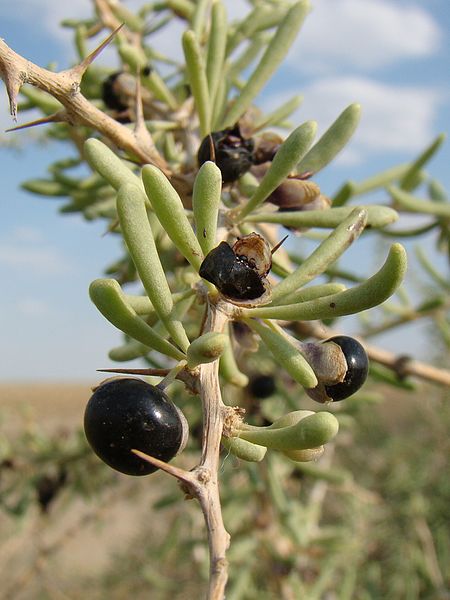
Black Goji Berry is one of the rarest and most intriguing fruiting shrubs available to home gardeners. Native to the arid regions of Central Asia, western China, Tibet, Mongolia, and parts of the Himalayan Plateau, this hardy relative of the common red Goji Berry produces unusual deep purple-black fruits prized for their exceptionally high antioxidant content and striking color.
The berries contain abundant anthocyanins—the same natural pigments found in blueberries and blackberries—but often at much higher concentrations. When soaked in water, dried Black Goji berries can produce a remarkable blue-purple infusion that has made them highly sought after by herbal tea enthusiasts and specialty fruit growers.
Plant Characteristics- Botanical Name: Lycium ruthenicum
- Common Names: Black Goji Berry, Black Wolfberry, Black Lycium
- Plant Type: Deciduous fruiting shrub
- USDA Zones: 4-9
- Height: 4-8 feet
- Spread: 4-8 feet
- Sun Requirements: Full sun
- Flower Color: Purple to lavender
- Bloom Time: Late spring through summer
- Fruit Color: Deep purple-black
The small berries mature to a rich black-purple color and possess a mildly sweet flavor with subtle earthy notes. While often consumed dried, they can also be eaten fresh when fully ripe.
Popular uses include:
- Herbal teas
- Fresh fruit consumption
- Dried fruit snacks
- Smoothies
- Trail mixes
- Infused beverages
- Jams and preserves
- Natural food coloring
One of the most fascinating characteristics of Black Goji Berry is its ability to tint water brilliant shades of blue and purple due to its anthocyanin pigments.
Germination Instructions- Soak seeds in warm water for 12-24 hours.
- Sow seeds on the surface of moist seed-starting mix.
- Cover lightly with approximately 1/8 inch of soil.
- Maintain temperatures between 70-80°F.
- Provide bright light during germination.
- Keep soil consistently moist but not soggy.
- Germination typically occurs in 10-30 days.
- Transplant seedlings after developing several true leaves.
Black Goji Berry thrives in full sun and well-drained soil. It is exceptionally tolerant of drought, poor soils, alkaline conditions, and harsh climates. In its native habitat, it often grows in rocky, sandy, and semi-desert environments where many other fruiting plants would struggle.
Plants generally begin flowering and fruiting within 2-3 years from seed. Mature shrubs may produce abundant crops annually while requiring relatively little maintenance.
Annual pruning helps maintain shape and encourages vigorous fruiting growth.
Container GrowingBlack Goji Berry performs surprisingly well in containers.
- Use containers at least 15 gallons in size.
- Provide excellent drainage.
- Use a sandy, well-drained potting mix.
- Place in full sun.
- Avoid overwatering.
- Prune as needed to maintain size.
Container cultivation is especially useful in small gardens and areas with challenging soils.
Pollinator ValueThe attractive purple flowers attract bees, butterflies, native pollinators, and numerous beneficial insects. Flowering may continue over a long season, providing valuable nectar resources during summer months.
Wildlife ValueBirds are often attracted to the ripe fruits, while the dense branching habit provides shelter and nesting opportunities for songbirds and small wildlife.
Historical and Cultural SignificanceBlack Goji Berry has long been gathered and cultivated by communities throughout western China and Central Asia. It has traditionally been used in regional herbal preparations and beverages, particularly among populations living in high-altitude and desert environments.
Because of its rarity and unique appearance, Black Goji Berry remained relatively unknown outside Asia until recent decades, when interest in unusual fruits and antioxidant-rich foods helped bring it to the attention of gardeners worldwide.
Interesting Botanical Facts- Black Goji Berry is closely related to the common red Goji Berry.
- It naturally grows in some of the harshest environments inhabited by fruiting shrubs.
- The berries contain anthocyanins rarely found in such high concentrations.
- The fruit can color water vivid shades ranging from blue to deep purple depending on pH.
- The species exhibits exceptional tolerance to drought and poor soils.
Black Goji Berry often becomes a conversation piece long before it produces its first harvest. Visitors are fascinated by the unusual dark fruits, but the real surprise comes when dried berries are steeped in water and create a brilliant blue-purple tea. Few fruiting plants combine rarity, beauty, hardiness, and novelty quite like Black Goji Berry. For collectors of unusual edible plants, it is one of the most distinctive fruiting shrubs that can be grown in the home garden.
For additional growing details, see our Black Gojiberry Seeds AI fact sheet.
For over a thousand more unique seed varieties, all in stock and ready to ship, visit our Seed Catalog Index Page .

Contact Us | Privacy Policy | About Us
Serving gardeners since 1992
State of Mississippi Seedmen's Permit #C-391, Ohio 90152, Minnesota 20086777