
Black Mulberry Seeds
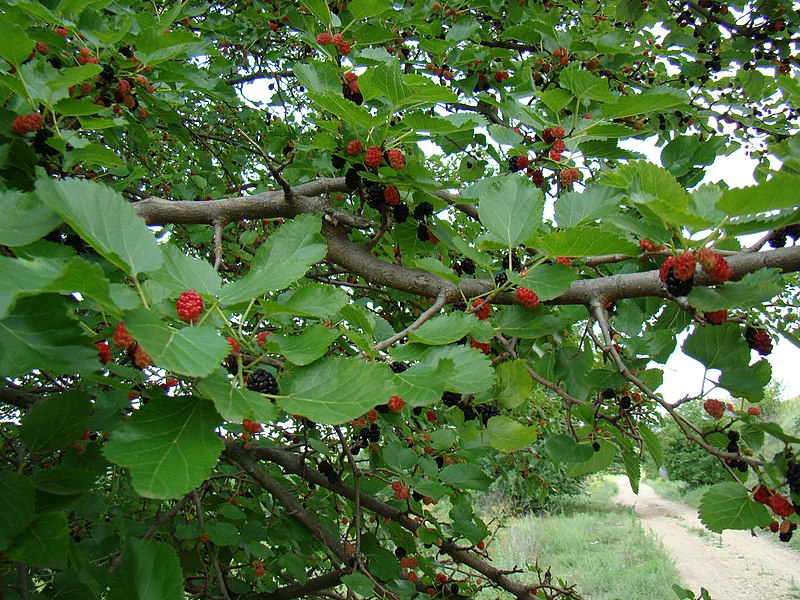
Black Mulberry is one of the oldest and most highly regarded fruit trees in cultivation. Native to southwestern Asia and cultivated for thousands of years, this handsome deciduous tree produces large, juicy, deep purple-black fruits with an exceptionally rich flavor. Many fruit enthusiasts consider Black Mulberry to be the finest-tasting mulberry species, prized for its complex sweetness balanced by pleasant tartness.
The fruits resemble elongated blackberries and ripen to a deep purple-black color. Their flavor is often described as a blend of blackberry, raspberry, grape, and red wine with rich aromatic undertones. Combined with attractive foliage, longevity, and historical significance, Black Mulberry remains one of the most desirable heirloom fruit trees available.
Plant Characteristics- Botanical Name: Morus nigra
- Common Names: Black Mulberry, Persian Mulberry
- Plant Type: Deciduous fruit tree
- USDA Zones: 5-9
- Height: 20-35 feet
- Spread: 20-35 feet
- Sun Requirements: Full sun
- Flower Color: Greenish catkins
- Bloom Time: Spring
- Fruit Color: Deep purple-black
Black Mulberry fruits are among the richest flavored berries grown in temperate climates. Fully ripe fruits are juicy, aromatic, and intensely flavorful.
- Fresh eating
- Jams and preserves
- Pies and desserts
- Syrups
- Fruit wines
- Smoothies
- Ice cream toppings
- Dried fruit
The fruits are highly perishable and rarely found in commercial markets, making home-grown harvests especially prized.
Important NoteBlack Mulberry should be allowed to fully ripen on the tree for best flavor. Ripe fruits become soft, richly colored, and easily detach from the stem. Unlike some fruits, mulberries do not continue ripening significantly after harvest.
Germination Instructions- Clean seeds from ripe fruits.
- Soak seeds in water for 24 hours.
- Cold stratify for 60-90 days at 34-40°F.
- Sow seeds 1/8 to 1/4 inch deep in a well-drained seed-starting mix.
- Maintain temperatures between 70-80°F.
- Keep soil evenly moist.
- Germination typically occurs within several weeks following stratification.
- Transplant seedlings once well established.
Black Mulberry prefers full sun and fertile, well-drained soil. Unlike White Mulberry, it tends to grow more slowly and develop a broader, more picturesque canopy. Once established, it is drought tolerant and highly resilient.
Trees may take several years to begin fruiting from seed but reward patience with decades of abundant harvests.
Mature specimens often become beautiful landscape trees that combine ornamental appeal with dependable fruit production.
Container GrowingYoung Black Mulberries can be maintained in large containers for several years.
- Use large containers with excellent drainage.
- Provide full sun exposure.
- Water regularly during active growth.
- Prune as necessary to maintain shape.
- Repot periodically as the tree grows.
For maximum fruit production and long-term health, planting in the ground is recommended whenever possible.
Pollinator ValueThe spring flowers contribute to the seasonal food web and support various beneficial insects. Mulberries bloom relatively early and help sustain pollinator populations.
Wildlife ValueBirds are extremely attracted to ripe mulberries, often arriving in large numbers when fruit begins to mature. The tree also provides nesting sites, cover, and shelter for wildlife throughout the year.
Black Mulberry is one of the most wildlife-friendly fruit trees available.
Historical and Cultural SignificanceBlack Mulberry has been cultivated since ancient times and was known to the Greeks, Romans, Persians, and numerous other civilizations. The tree spread throughout Europe during the Roman era and became a cherished fruit in monastery gardens, estates, and village orchards.
Unlike White Mulberry, which became associated primarily with silkworm production, Black Mulberry earned its reputation because of the superior quality of its fruit.
Many historic Black Mulberry trees in Europe are believed to be several hundred years old and continue producing fruit today.
Interesting Botanical Facts- Black Mulberry is often considered the finest flavored mulberry species.
- Some historic specimens have survived for centuries.
- The fruits contain natural pigments that create intense purple staining.
- The species grows more slowly than White Mulberry.
- Black Mulberry has been cultivated for over 2,000 years.
If White Mulberry is the workhorse of the mulberry world, Black Mulberry is the gourmet fruit specialist. For centuries gardeners have planted it not because it grows fastest or fruits quickest, but because of its extraordinary flavor. Historical records show that Black Mulberry was prized by Roman gardeners, medieval monasteries, and European estates long before modern fruit breeding existed. Some ancient trees still survive today, continuing to produce crops after hundreds of years. Few fruit trees can claim such a remarkable combination of flavor, beauty, longevity, and history.
For additional growing details, see our Black Mulberry Seeds AI fact sheet.
For over a thousand more unique seed varieties, all in stock and ready to ship, visit our Seed Catalog Index Page .

Contact Us | Privacy Policy | About Us
Serving gardeners since 1992
State of Mississippi Seedmen's Permit #C-391, Ohio 90152, Minnesota 20086777