
Highbush Blueberry Seeds
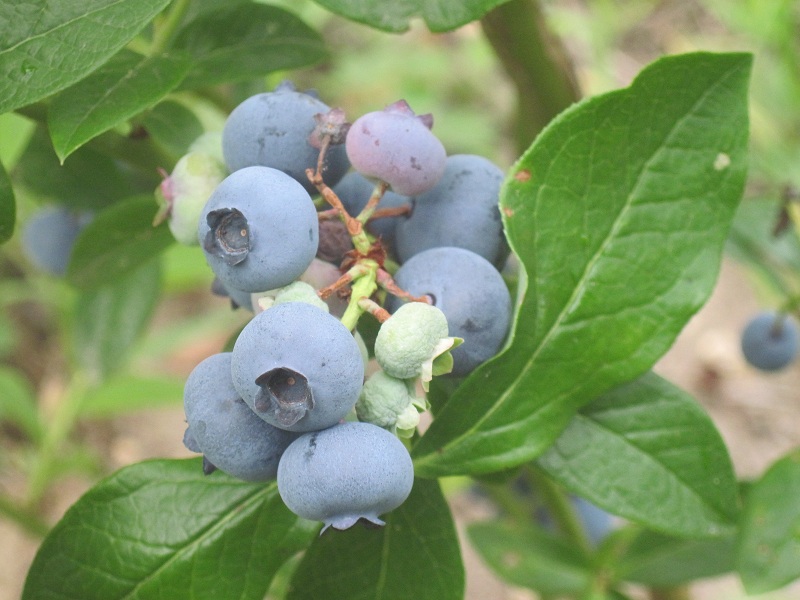
Highbush Blueberry is the species responsible for most of the cultivated blueberries grown around the world today. Native to eastern North America, it produces abundant crops of large, sweet blue berries while providing beautiful spring flowers, attractive summer foliage, and spectacular autumn color.
In spring, clusters of delicate bell-shaped white blossoms cover the branches and attract pollinators from throughout the garden. By summer, the flowers mature into delicious blue fruits rich in flavor and antioxidants. Autumn brings brilliant shades of red, orange, and burgundy, making the plant ornamental throughout the year.
Its combination of beauty, productivity, and ease of cultivation has made Highbush Blueberry one of the most beloved fruiting shrubs in the world.
Plant Characteristics- Botanical Name: Vaccinium corymbosum
- Common Names: Highbush Blueberry, Northern Highbush Blueberry
- Plant Type: Deciduous fruiting shrub
- USDA Zones: 3-8
- Height: 5-12 feet
- Spread: 4-8 feet
- Sun Requirements: Full sun
- Flower Color: White to pale pink
- Bloom Time: Spring
- Fruit Color: Blue with a silvery bloom
The berries are sweet, juicy, and highly nutritious. They are widely recognized as one of the world's premier health fruits.
- Fresh eating
- Pies and cobblers
- Muffins and baked goods
- Jams and preserves
- Smoothies
- Juices
- Freezing for later use
- Fruit salads
Fresh-picked blueberries often possess a flavor that far exceeds store-bought fruit.
Important NoteBlueberries require acidic soil. For best growth and fruit production, maintain a soil pH between approximately 4.5 and 5.5. This is one of the most important factors for successful cultivation.
Germination Instructions- Surface sow seeds on moist growing medium.
- Do not deeply cover seeds.
- Maintain temperatures between 65-75°F.
- Provide bright light.
- Keep soil consistently moist.
- Germination may take several weeks to several months.
- Transplant carefully when seedlings are well established.
- Maintain acidic growing conditions.
Highbush Blueberries thrive in full sun and acidic, organic-rich soils with good drainage. Consistent moisture encourages healthy growth and larger fruit crops.
Mulching with pine bark, pine needles, or other acidic materials helps maintain favorable soil conditions.
Planting multiple varieties often improves pollination and increases yields.
Container GrowingBlueberries are among the easiest fruiting shrubs to grow in containers.
- Use containers of at least 10-20 gallons.
- Fill with acidic potting mix.
- Maintain consistent moisture.
- Provide full sun.
- Fertilize with acid-loving plant fertilizers.
- Repot as needed every few years.
Container growing allows gardeners with alkaline soils to enjoy excellent blueberry harvests.
Pollinator ValueThe attractive bell-shaped flowers provide an important nectar source for honeybees, bumblebees, native bees, and other beneficial pollinators.
Blueberry flowers are particularly attractive to bumblebees, which excel at pollinating them.
Wildlife ValueBirds, bears, foxes, raccoons, and many other wildlife species eagerly consume blueberries. The shrubs also provide cover and nesting habitat for numerous birds.
Blueberries are considered one of the most valuable native wildlife fruit plants in North America.
Historical and Cultural SignificanceNative Americans harvested wild blueberries for thousands of years before European settlement. The berries were eaten fresh, dried for winter storage, and incorporated into traditional foods.
Modern blueberry cultivation began in the early twentieth century when researchers successfully domesticated superior wild Highbush Blueberry selections.
This work created one of the most successful fruit breeding programs in agricultural history.
Interesting Botanical Facts- Blueberries are native to North America.
- The silvery coating on the fruit is called a bloom.
- Blueberries belong to the heath family, alongside cranberries and rhododendrons.
- Individual bushes may remain productive for decades.
- Fall foliage often rivals ornamental shrubs for color.
Highbush Blueberry may be the perfect fruit shrub. It produces beautiful flowers, delicious berries, brilliant fall color, and valuable wildlife habitat, all from a single plant. Few fruits are as versatile in the kitchen or as attractive in the landscape. For gardeners with suitable acidic soil, blueberries often become one of the most productive and dependable fruit crops they grow.
The combination of ornamental beauty and exceptional fruit quality explains why blueberries have become one of the most widely planted fruiting shrubs in modern home gardens.
Additional Seedman NoteOne of the most remarkable facts about blueberries is that commercial blueberry farming barely existed before the early 1900s. Virtually all modern cultivated blueberries trace their origins to wild Highbush Blueberries growing in the forests and wetlands of eastern North America. Thanks to pioneering plant breeders, a native wild berry was transformed into a worldwide fruit industry worth billions of dollars, while still retaining much of the flavor and hardiness of its wild ancestors.
Germination instructions are not on seed packets, click here for germination instructions.For additional growing details, see our Highbush Blueberry Seeds AI fact sheet.
For over a thousand more unique seed varieties, all in stock and ready to ship, visit our Seed Catalog Index Page .