
Carob Tree Seeds
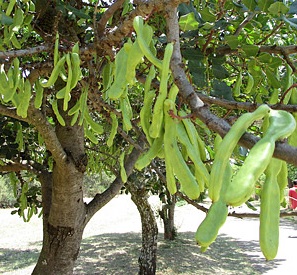
The Carob Tree is one of the oldest cultivated food trees in the world, valued for thousands of years for its sweet edible pods, drought tolerance, and exceptional longevity. Native to the Mediterranean region, Ceratonia siliqua is an attractive evergreen tree that produces nutritious chocolate-flavored pods while thriving in hot, dry climates where many other food crops struggle.
Carob pods contain a naturally sweet pulp that has been used for centuries as a food source. The dried pods are often ground into Carob Powder, a caffeine-free alternative to cocoa that is widely used in baking, beverages, desserts, and health foods. Unlike chocolate, carob contains no caffeine and is naturally sweet, requiring less added sugar in recipes.
In addition to its edible value, the Carob Tree is highly ornamental, developing a broad, dense canopy of glossy evergreen foliage that provides excellent shade. Mature trees can live for centuries and become impressive landscape specimens while continuing to produce heavy crops of pods.
Uses- Carob powder production.
- Caffeine-free chocolate substitute.
- Baking and desserts.
- Livestock feed.
- Wildlife food source.
- Shade tree.
- Drought-tolerant landscaping.
- Mediterranean gardens.
- Scarify seeds by lightly nicking or sanding the seed coat.
- Soak seeds in warm water for 24 hours.
- Sow seeds 1/2 to 1 inch deep in a well-drained growing medium.
- Maintain temperatures between 70-85°F (21-29°C).
- Keep soil lightly moist but never waterlogged.
- Provide bright light after germination.
- Germination typically occurs within 2-6 weeks.
- Transplant seedlings once well established.
- Botanical Name: Ceratonia siliqua
- Plant Type: Evergreen fruit and shade tree
- USDA Zones: 8-11
- Sun Exposure: Full sun
- Soil: Well-drained soil; tolerant of poor soils
- Water: Low to moderate once established
- Height: 30-50 feet
- Spread: 30-40 feet
- Growth Rate: Moderate
- Lifespan: Often 100+ years
Carob Trees thrive in warm climates and are exceptionally tolerant of heat, drought, rocky soils, and coastal conditions. Once established, they require very little maintenance and are considered one of the most dependable food-producing trees for dry regions.
Nutritional BenefitsCarob pods are rich in dietary fiber, calcium, potassium, antioxidants, and natural sugars. Carob powder is often used as a nutritious alternative to cocoa and has become popular among health-conscious consumers because it is naturally caffeine-free and low in fat.
Special Features- Produces sweet edible pods.
- Source of caffeine-free carob powder.
- Extremely drought tolerant.
- Long-lived evergreen tree.
- Excellent shade producer.
- Low-maintenance once established.
- Suitable for poor soils.
- Historic Mediterranean food crop.
Carob seeds are remarkably uniform in weight. In ancient times, jewelers and merchants used the seeds as a standard unit of measurement for precious stones and metals. This practice gave rise to the modern term "carat," which is still used today to measure gemstones and gold purity.
For thousands of years, Carob has been cultivated throughout the Mediterranean region as a dependable food source during droughts and difficult growing conditions. Some historic Carob trees are believed to be several hundred years old and continue producing pods annually.
Seedman Growing NoteMany Carob trees are either male or female, and female trees produce the valuable pods. Growing multiple seedlings increases the likelihood of obtaining both sexes and improves pollination. In traditional Mediterranean orchards, a few male trees are often planted among many female trees to ensure reliable pod production.
One of Carob's greatest strengths is its ability to thrive where many other fruit trees struggle. Once established, it can tolerate drought, heat, rocky soils, and neglect while continuing to provide shade and food for decades.
Carob Tree (Ceratonia siliqua) is a fascinating combination of history, beauty, and practicality. Whether grown for its edible pods, drought resistance, ornamental value, or historical significance, it remains one of the world's most useful and resilient food trees.
For over a thousand more unique seed varieties, all in stock and ready to ship, visit our Seed Catalog Index Page .

Contact Us | Privacy Policy | About Us
Serving gardeners since 1992
State of Mississippi Seedmen's Permit #C-391, Ohio 90152, Minnesota 20086777