
Chilean Carob Tree Seeds
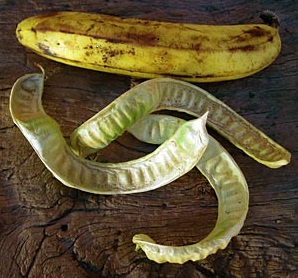
Chilean Carob Tree is a hardy, drought-resistant leguminous tree native to the arid and semi-arid regions of South America. Despite its common name, it is not closely related to the Mediterranean Carob Tree (Ceratonia siliqua), but it serves many similar purposes by producing nutritious edible pods rich in natural sugars and protein.
This fast-growing tree has long been valued for food production, shade, livestock forage, soil improvement, and wildlife habitat. Its attractive feathery foliage, exceptional drought tolerance, and ability to thrive in poor soils make it one of the most useful trees for hot, dry climates.
Plant Characteristics- Botanical Name: Prosopis chilensis
- Common Names: Chilean Carob Tree, Chilean Mesquite, Algarrobo
- Plant Type: Deciduous to semi-evergreen nut and pod-producing tree
- USDA Zones: 8b-11
- Height: 30-50 feet
- Spread: 25-50 feet
- Sun Requirements: Full sun
- Flower Color: Creamy yellow catkins
- Bloom Time: Spring to summer
- Fruit: Long tan seed pods
The tree produces elongated seed pods containing sweet, nutritious pulp. For centuries these pods have been harvested and used as a food source throughout South America.
- Fresh pod pulp
- Traditional flour production
- Beverages
- Livestock forage
- Wildlife food source
- Survival food crop
- Traditional desserts
- Permaculture systems
The sweet pods contain natural sugars, protein, minerals, and fiber, making them an important food resource in dry regions where other crops may struggle.
Important NoteChilean Carob Tree is exceptionally drought tolerant once established. Mature trees develop deep root systems capable of locating moisture far below the soil surface, allowing them to thrive where many fruit trees cannot survive.
Germination Instructions- Scarify seeds by lightly nicking the seed coat or soaking in hot water.
- Allow seeds to soak for 24 hours.
- Sow approximately 1/2 inch deep in a well-drained growing medium.
- Maintain temperatures between 70-85°F.
- Keep soil lightly moist.
- Provide bright light.
- Germination often occurs within 1-3 weeks.
- Transplant seedlings once established.
Chilean Carob Tree thrives in full sun and well-drained soils. It tolerates heat, drought, poor soils, alkaline conditions, and even moderate salinity.
The tree develops a broad, attractive canopy that provides welcome shade in hot climates. Growth is relatively rapid when young, especially with occasional irrigation during establishment.
Because it belongs to the legume family, the tree also helps improve soil fertility through nitrogen fixation.
Container GrowingContainer culture is suitable only during the seedling stage.
- Use deep containers to accommodate root growth.
- Provide excellent drainage.
- Avoid prolonged root restriction.
- Transplant into the landscape while still young.
- Provide full sun exposure.
Due to its eventual size and deep-rooting nature, permanent landscape planting is strongly recommended.
Pollinator ValueThe fragrant flower clusters attract bees and numerous beneficial insects. Flowering trees can become important nectar sources during warm weather.
Honeybees are particularly attracted to the blossoms.
Wildlife ValueThe nutritious pods provide food for birds, livestock, deer, and other wildlife. The spreading canopy offers shade, shelter, and nesting opportunities.
In arid environments, the tree often becomes a valuable wildlife resource because of its dependable pod production.
Historical and Cultural SignificanceFor thousands of years, Indigenous peoples throughout South America relied upon Prosopis species as important food sources. The sweet pods were ground into flour, fermented into beverages, and stored for future use.
In parts of Argentina, Chile, and Peru, Algarrobo trees became central to survival in dry landscapes where dependable food-producing plants were limited.
The species continues to be valued today for both food production and environmental restoration projects.
Interesting Botanical Facts- Despite its common name, it is not closely related to the Mediterranean Carob Tree.
- The pods naturally contain significant amounts of sugar and protein.
- The tree can thrive in extremely arid environments.
- It belongs to the nitrogen-fixing legume family.
- Mature trees may live for many decades while continuing to produce crops.
Chilean Carob Tree is one of the great survival trees of the world's drylands. Long before modern irrigation systems existed, people depended upon its sweet pods, cooling shade, and remarkable resilience. In today's world of water conservation and sustainable landscaping, its value may be greater than ever. For gardeners interested in drought-tolerant food forests, edible landscapes, or permaculture systems, Chilean Carob offers a rare combination of productivity, beauty, and toughness that few trees can match.
For additional growing details, see our Chilean Carob Tree Seeds AI fact sheet.
For over a thousand more unique seed varieties, all in stock and ready to ship, visit our Seed Catalog Index Page .

Contact Us | Privacy Policy | About Us
Serving gardeners since 1992
State of Mississippi Seedmen's Permit #C-391, Ohio 90152, Minnesota 20086777