
Chinese Chestnut Seeds
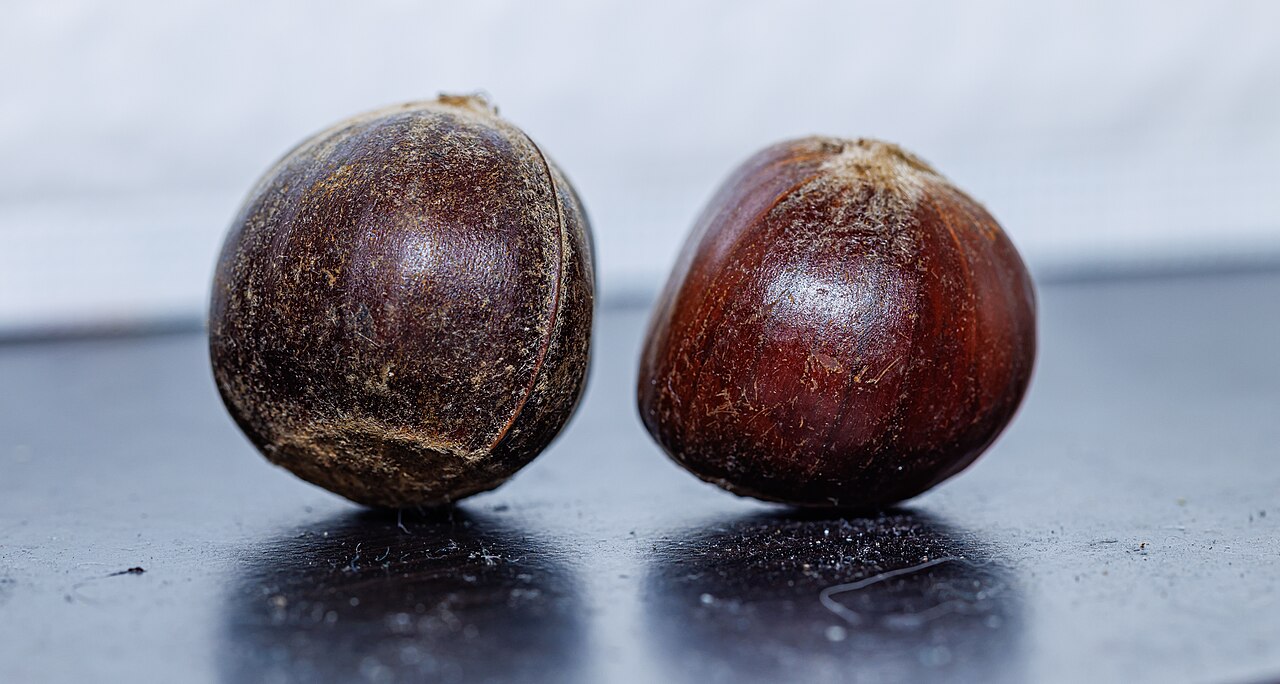
Chinese Chestnut is one of the world's most valuable nut trees, combining beautiful ornamental qualities with abundant crops of sweet, nutritious chestnuts. Native to China and cultivated for thousands of years, this hardy tree has become a favorite among homesteaders, wildlife enthusiasts, orchard growers, and conservationists because of its productivity, adaptability, and natural resistance to Chestnut Blight.
In autumn, the tree produces spiny burrs that split open to reveal glossy brown chestnuts. Unlike many nuts that are rich in oils, chestnuts are high in complex carbohydrates and have a sweet, mild flavor often compared to sweet potatoes when roasted. They have been an important food source throughout history and remain popular for roasting, baking, soups, stuffing, desserts, and chestnut flour.
Chinese Chestnut also makes an attractive landscape tree, developing a broad spreading canopy, glossy green foliage, fragrant summer catkins, and beautiful golden-yellow fall color. Mature trees provide excellent shade while producing substantial nut crops for decades.
Uses- Roasted chestnuts.
- Baking and desserts.
- Chestnut flour production.
- Wildlife food source.
- Homestead orchards.
- Food forest plantings.
- Shade tree.
- Conservation and restoration projects.
- Chestnuts should never be allowed to dry out completely.
- Place nuts in moist peat moss, vermiculite, or sand.
- Cold stratify for 60-90 days at 34-40°F (1-4°C).
- Plant nuts 1-2 inches deep in well-drained soil.
- Maintain consistent moisture during germination.
- Protect nuts and seedlings from rodents.
- Germination generally occurs in spring following stratification.
- Transplant carefully once seedlings become established.
- Botanical Name: Castanea mollissima
- Plant Type: Deciduous nut tree
- USDA Zones: 4-8
- Sun Exposure: Full sun
- Soil: Well-drained, slightly acidic soil
- Water: Moderate moisture
- Height: 40-60 feet
- Spread: 35-50 feet
- Growth Rate: Moderate to fast
- Harvest Season: September through October
Chinese Chestnut adapts well to a variety of growing conditions and generally performs best in sunny locations with good drainage. Once established, trees are durable and capable of producing reliable crops for many decades.
Wildlife ValueChinese Chestnut is one of the finest wildlife food trees available. Deer, wild turkeys, squirrels, chipmunks, foxes, black bears, raccoons, and numerous bird species eagerly consume the nutritious nuts. In many areas, chestnut trees become important seasonal feeding sites for wildlife.
Special Features- Produces large, sweet chestnuts.
- Natural resistance to Chestnut Blight.
- Excellent shade tree.
- Long-lived and productive.
- Outstanding wildlife value.
- Beautiful fall color.
- Historic food crop.
- Excellent homestead tree.
Chestnuts are rich in carbohydrates, dietary fiber, vitamin C, potassium, manganese, and other beneficial nutrients. Unlike most nuts, they are relatively low in fat while providing substantial energy and nutrition, making them a valuable food source for both people and wildlife.
History and SignificanceChinese Chestnut gained tremendous importance in North America following the devastation of the American Chestnut by Chestnut Blight during the early twentieth century. Because Chinese Chestnut possesses natural resistance to the disease, it became a key species in chestnut restoration and breeding programs aimed at preserving chestnut genetics and reestablishing chestnut trees in American forests.
Seedman Growing NoteFor best nut production, plant at least two Chinese Chestnut trees. While some nuts may be produced by a single tree, cross-pollination between multiple trees generally results in significantly heavier crops and improved yields.
Chinese Chestnut is one of the best trees available for food forests and homestead plantings because it produces abundant food for both people and wildlife. Many growers consider it one of the most practical long-term investments they can make, as mature trees may continue producing for generations.
Chinese Chestnut (Castanea mollissima) combines beauty, productivity, wildlife value, and historical significance into one exceptional tree. Whether grown for its sweet nuts, conservation value, or ornamental appeal, it remains one of the finest nut trees available to gardeners and landowners.
For additional growing details, see our Chinese Chestnut Seeds AI fact sheet.
For over a thousand more unique seed varieties, all in stock and ready to ship, visit our Seed Catalog Index Page .

Contact Us | Privacy Policy | About Us
Serving gardeners since 1992
State of Mississippi Seedmen's Permit #C-391, Ohio 90152, Minnesota 20086777