
Chinese Jujube Seeds
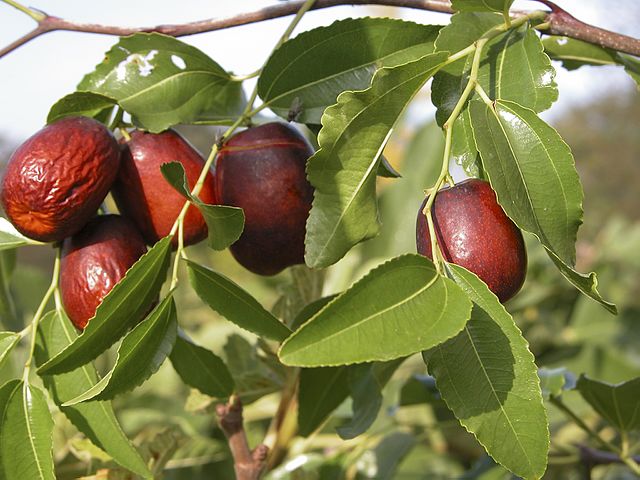
Chinese Jujube is a small deciduous fruit tree native to China and parts of Central Asia. Famous for its remarkable hardiness, drought tolerance, and delicious fruits, it has been cultivated for thousands of years and remains one of the most important traditional fruit crops in Asia.
The attractive tree produces glossy green foliage, fragrant yellow-green flowers, and abundant crops of oval fruits that ripen from green to reddish-brown. Depending upon the stage of ripeness, the fruits may be crisp like an apple or sweet and chewy like a date.
Its beauty, resilience, and productivity have earned Chinese Jujube a reputation as one of the most dependable fruit trees available.
Plant Characteristics- Botanical Name: Ziziphus jujuba
- Common Names: Chinese Jujube, Jujube, Chinese Date, Red Date
- Plant Type: Deciduous fruit tree
- USDA Zones: 5-10
- Height: 15-30 feet
- Spread: 10-20 feet
- Sun Requirements: Full sun
- Flower Color: Yellow-green
- Bloom Time: Late spring through summer
- Fruit Color: Green turning reddish-brown when ripe
Jujube fruits are highly versatile and can be enjoyed at multiple stages of ripeness. Fresh fruits are crisp and refreshing, while fully mature fruits become sweet, chewy, and date-like.
- Fresh eating
- Dried fruit snacks
- Herbal teas
- Traditional Chinese recipes
- Desserts
- Preserves and syrups
- Candied fruits
- Nutritional supplements
The fruits are rich in vitamin C, antioxidants, and beneficial plant compounds.
Important NoteChinese Jujube thrives in hot, dry conditions and often produces better crops in regions where many other fruit trees struggle. Once established, it is exceptionally drought tolerant.
Germination Instructions- Remove seeds from fully ripe fruits.
- Carefully crack the hard stone to extract the seed when possible.
- Soak seeds in warm water for 24 hours.
- Cold stratify for 60-90 days if necessary.
- Sow approximately 1/2 inch deep.
- Maintain temperatures between 70-85°F.
- Keep soil lightly moist.
- Germination may occur over several weeks.
Jujubes prefer full sun and well-drained soil. They tolerate drought, heat, alkaline soils, and poor growing conditions better than most fruit trees.
Once established, trees require minimal maintenance and often remain productive for decades.
The species is particularly valuable in dry climates where water conservation is important.
Container GrowingYoung trees can be successfully grown in large containers.
- Use containers at least 15-25 gallons.
- Provide excellent drainage.
- Place in full sun.
- Water regularly while establishing.
- Prune lightly to maintain size.
- Repot as necessary as trees mature.
Container culture is especially useful in colder regions where winter protection may be desirable.
Pollinator ValueThe small fragrant flowers attract honeybees, native bees, and numerous beneficial insects. Blooming occurs over an extended period, providing a long-lasting food source for pollinators.
Many trees produce excellent fruit crops with minimal pollination issues.
Wildlife ValueBirds and small mammals readily consume fallen fruits, while the dense branching structure provides shelter and nesting habitat.
The tree contributes valuable food resources during late summer and autumn.
Historical and Cultural SignificanceChinese Jujube has been cultivated for over 4,000 years and holds a prominent place in Chinese culture, medicine, and cuisine. Throughout history, the fruits have been associated with health, longevity, prosperity, and good fortune.
Traditional Chinese herbal practices have long utilized Jujube fruits, and the species remains one of China's most important fruit crops.
Today, hundreds of named cultivars are grown throughout Asia and increasingly around the world.
Interesting Botanical Facts- Jujube cultivation predates many modern fruit crops.
- The fruits can be eaten both fresh and dried.
- Trees are remarkably drought tolerant.
- Some specimens remain productive for over 100 years.
- The species belongs to the buckthorn family rather than the rose family.
If there is a fruit tree perfectly suited to modern low-maintenance gardening, Chinese Jujube may be it. Few fruit trees combine such exceptional drought tolerance, heat resistance, productivity, and longevity. Add delicious fruits and thousands of years of cultivation history, and it becomes easy to understand why Jujube remains one of Asia's most treasured fruit trees. For gardeners seeking an unusual fruit that practically thrives on neglect once established, Chinese Jujube is hard to beat.
Its ability to produce quality fruit during hot, dry summers makes it especially valuable in regions where water conservation is becoming increasingly important.
Additional Seedman NoteOne of the most remarkable facts about Chinese Jujube is its age as a cultivated crop. Archaeological evidence suggests people were growing and selecting Jujubes in China thousands of years before apples, peaches, or citrus became widely cultivated in many parts of the world. Some ancient Chinese writings mention Jujubes as symbols of fertility, prosperity, and family happiness, making them one of humanity's oldest continuously cultivated fruit trees.
For additional growing details, see our Chinese Jujube Seeds AI fact sheet.
For over a thousand more unique seed varieties, all in stock and ready to ship, visit our Seed Catalog Index Page .

Contact Us | Privacy Policy | About Us
Serving gardeners since 1992
State of Mississippi Seedmen's Permit #C-391, Ohio 90152, Minnesota 20086777