
Chinese Lantern Seeds
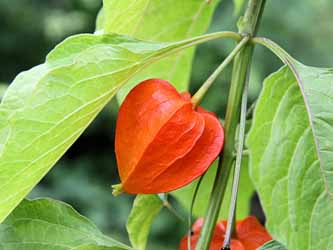
Chinese Lantern is one of the most recognizable ornamental fruiting plants in the world. Native to Europe and Asia, this hardy perennial is famous for its brilliant orange-red papery husks that resemble miniature lanterns hanging throughout the garden in late summer and autumn.
Inside each colorful lantern is a small berry enclosed within an inflated calyx. The dramatic lanterns have been used for centuries in dried floral arrangements, autumn decorations, and ornamental gardens. Few plants provide such striking fall color while requiring so little maintenance.
Although related to ground cherries and tomatillos, Chinese Lantern is primarily grown for its extraordinary ornamental value rather than fruit production.
Plant Characteristics- Botanical Name: Physalis alkekengi
- Common Names: Chinese Lantern, Japanese Lantern Plant, Winter Cherry, Bladder Cherry
- Plant Type: Herbaceous perennial
- USDA Zones: 3-9
- Height: 18-30 inches
- Spread: 24-48 inches or more
- Sun Requirements: Full sun to partial shade
- Flower Color: Small creamy white flowers
- Bloom Time: Summer
- Lantern Color: Bright orange to orange-red
Following flowering, the plant develops inflated papery husks that gradually turn brilliant orange. Hidden inside each lantern is a small berry enclosed within the protective covering.
- Fall decorations
- Dried flower arrangements
- Wreaths
- Floral crafts
- Autumn displays
- Cut stems for bouquets
- Ornamental garden use
- Collector plantings
The colorful lanterns remain attractive for months and are among the most popular plants used in dried floral work.
Important NoteChinese Lantern is primarily grown as an ornamental plant. While related to edible Physalis species such as ground cherries and tomatillos, gardeners generally cultivate it for its decorative lanterns rather than for fruit consumption.
Germination Instructions- Sow seeds indoors 6-8 weeks before last frost.
- Press seeds lightly into the soil surface and cover very lightly.
- Maintain temperatures of 70-75°F.
- Keep soil consistently moist.
- Provide bright light.
- Germination usually occurs within 2-4 weeks.
- Harden off seedlings before transplanting outdoors.
- Plant after danger of frost has passed.
Chinese Lantern is easy to grow and adapts to a wide variety of soil conditions. It prefers well-drained soil and performs well in both full sun and partial shade.
Once established, plants spread by underground rhizomes and can form attractive colonies. In some gardens they may spread vigorously, making them excellent for naturalized plantings but occasionally requiring containment.
The bright lanterns begin developing in late summer and often remain attractive well into autumn.
Container GrowingChinese Lantern is an excellent candidate for container cultivation.
- Use containers at least 12-18 inches deep.
- Provide well-drained potting soil.
- Place in full sun or light shade.
- Water regularly during active growth.
- Divide plants every few years if needed.
- Containers help control spreading roots.
Container growing is often recommended because it prevents the rhizomes from spreading into surrounding garden beds.
Pollinator ValueThe small summer flowers attract bees, hoverflies, and other beneficial pollinators. While not especially showy, the blooms contribute nectar and pollen resources during the growing season.
Wildlife ValueThe dense foliage provides shelter for beneficial insects and small garden wildlife. The flowers support pollinators while the plant contributes habitat diversity within the landscape.
Historical and Cultural SignificanceChinese Lantern has been cultivated for centuries throughout Asia and Europe. In China and Japan, the bright lanterns became associated with celebrations, festivals, and decorative arts.
The lantern-like husks naturally inspired comparisons to traditional paper lanterns, leading to the common name still used today.
Victorian gardeners prized Chinese Lantern as one of the premier plants for dried arrangements, a popularity that continues into modern times.
Interesting Botanical Facts- The orange lantern is actually an enlarged papery calyx surrounding the fruit.
- The plant belongs to the same family as tomatoes, peppers, and tomatillos.
- Lanterns may remain decorative long after the foliage dies back.
- As lanterns age, they sometimes form delicate lace-like skeletons.
- The species has been cultivated ornamentally for hundreds of years.
Few plants create more autumn excitement than Chinese Lantern. While many flowers fade as summer ends, this remarkable plant is just beginning its show. The glowing orange husks seem to light up the garden, earning the plant its famous name. Dried stems are treasured by crafters and floral designers, and the lanterns often remain beautiful long after harvest. For gardeners seeking a unique ornamental with strong fall appeal, Chinese Lantern remains one of the finest choices available.
For additional growing details, see our Chinese Lantern Seeds AI fact sheet.
For over a thousand more unique seed varieties, all in stock and ready to ship, visit our Seed Catalog Index Page .

Contact Us | Privacy Policy | About Us
Serving gardeners since 1992
State of Mississippi Seedmen's Permit #C-391, Ohio 90152, Minnesota 20086777