
Chinese Pine Nut Seeds
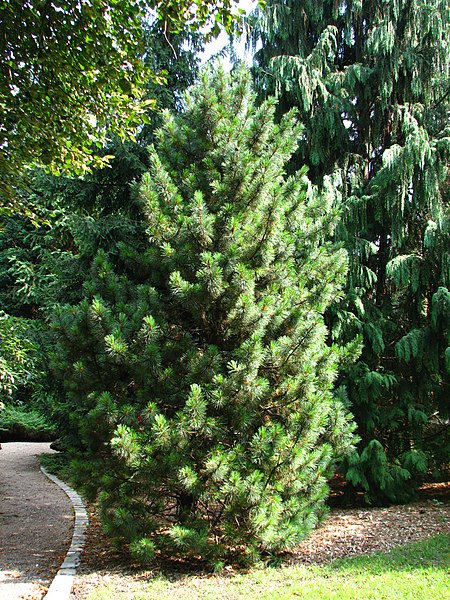
Chinese Pine Nut, also known as Korean Pine, is a majestic evergreen tree prized for its large edible pine nuts, attractive blue-green needles, exceptional cold hardiness, and impressive longevity. Native to northeastern China, Korea, Japan, and far eastern Russia, this magnificent species has been cultivated for centuries as both a food-producing tree and an ornamental landscape specimen.
Unlike many pine species grown primarily for timber or landscaping, Pinus koraiensis produces large, highly valued edible seeds that are considered among the finest pine nuts in the world. The tree's elegant form, dense canopy, and rich green foliage make it equally valuable as an ornamental specimen.
Plant Characteristics- Botanical Name: Pinus koraiensis
- Common Names: Chinese Pine Nut, Korean Pine, Korean Nut Pine
- Plant Type: Evergreen nut tree
- USDA Zones: 4-8
- Height: 60-100 feet
- Spread: 25-40 feet
- Sun Requirements: Full sun
- Foliage: Long blue-green needles in bundles of five
- Cone Size: 4-7 inches long
- Growth Rate: Moderate
The large seeds produced inside the cones are among the most prized pine nuts in the world. They possess a rich, buttery flavor and are widely used in both traditional and modern cuisine.
- Fresh eating
- Pesto preparation
- Baking
- Salads
- Asian cuisine
- Roasted nut snacks
- Trail mixes
- Gourmet cooking
Chinese Pine Nuts are generally larger than the seeds of many other pine species and have long been an important food source throughout their native range.
Important NoteChinese Pine Nut is a long-term investment tree. While growth is reasonably steady, significant nut production generally requires patience. Once established, however, trees may continue producing for generations.
Germination Instructions- Soak seeds in water for 24 hours.
- Cold stratify for 60-90 days at 34-40°F.
- Sow seeds approximately 1 inch deep in a well-drained growing medium.
- Maintain temperatures between 60-75°F after stratification.
- Keep soil evenly moist but not waterlogged.
- Provide bright light.
- Germination typically occurs within several weeks.
- Transplant carefully once seedlings become established.
Chinese Pine Nut grows best in full sun and well-drained soil. It tolerates cold winters exceptionally well and performs best in regions with cool to moderate summer temperatures.
The tree develops a strong central leader and attractive pyramidal form when young, gradually becoming broader and more majestic with age.
Because of its eventual size, adequate spacing should be provided when selecting a planting location.
Once established, the tree becomes highly resilient and requires relatively little maintenance.
Container GrowingContainer growing is practical only during the seedling and juvenile stages.
- Use deep containers to accommodate the developing root system.
- Provide excellent drainage.
- Avoid allowing roots to become pot-bound.
- Transplant to a permanent location as the tree matures.
- Provide full sun exposure.
Because of its eventual size, Chinese Pine Nut is best suited for landscape planting rather than long-term container culture.
Pollinator ValueLike most pines, Chinese Pine Nut is wind pollinated rather than insect pollinated. However, the tree contributes significantly to ecological diversity and supports numerous forest species.
Wildlife ValueChinese Pine Nut is considered an outstanding wildlife tree. The nutritious seeds are highly sought after by birds, squirrels, chipmunks, and other wildlife. Mature trees also provide nesting sites, shelter, and year-round cover.
In its native forests, the species plays a critical ecological role supporting a wide range of animal species.
Historical and Cultural SignificanceFor centuries, Chinese Pine Nuts have been harvested throughout East Asia as a valuable food source. The seeds have long been used in Chinese, Korean, Russian, and Japanese cuisine and remain highly prized today.
Historically, entire communities depended upon seasonal pine nut harvests as an important source of nutrition and trade.
The species continues to be one of the most economically important nut-producing conifers in the world.
Interesting Botanical Facts- Chinese Pine Nut belongs to the group known as white pines.
- Its needles occur in bundles of five.
- The seeds are among the largest edible pine nuts produced by any pine species.
- Mature trees can live for several hundred years.
- The species is closely associated with old-growth forests in parts of Asia.
Most gardeners are surprised to learn that the pine nuts sold in grocery stores originate from several different pine species, and Chinese Pine Nut is considered one of the very best. This is not merely an ornamental tree—it is a genuine food-producing forest giant. Planting one is often compared to planting an oak: you may not enjoy its full grandeur immediately, but future generations certainly will. With handsome blue-green needles, valuable edible nuts, exceptional cold hardiness, and centuries of productive life, Chinese Pine Nut is one of the most rewarding legacy trees a gardener can plant.
For over a thousand more unique seed varieties, all in stock and ready to ship, visit our Seed Catalog Index Page.

Contact Us | Privacy Policy | About Us
Serving gardeners since 1992
State of Mississippi Seedmen's Permit #C-391, Ohio 90152, Minnesota 20086777