
Common Fig Seeds
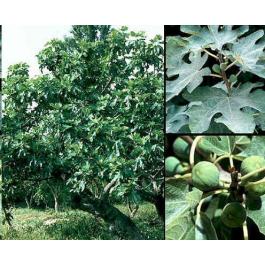
Common Fig is one of the oldest cultivated fruit plants in human history, prized for its sweet fruits, ornamental beauty, drought tolerance, and remarkable adaptability. Native to the Mediterranean region and parts of Western Asia, Ficus carica has been grown for thousands of years and remains one of the world's most beloved fruit trees.
The tree develops large, deeply lobed leaves that create a tropical appearance in the landscape, while producing abundant crops of soft, sweet fruits. Depending on the variety, fruits may ripen green, yellow, brown, purple, or nearly black and contain a rich honey-like flavor with notes of berry, caramel, and jam.
Figs are highly nutritious and have been enjoyed fresh, dried, preserved, and baked into countless recipes throughout history. Their combination of beauty, productivity, and ease of cultivation has made them a favorite of gardeners for centuries.
Uses- Fresh fruit consumption.
- Dried figs.
- Jams and preserves.
- Baking and desserts.
- Edible landscaping.
- Container growing.
- Mediterranean gardens.
- Food forest plantings.
- Remove seeds from fully ripe figs.
- Rinse thoroughly to remove fruit pulp.
- Sow seeds on the surface of a moist seed-starting mix.
- Lightly press seeds into the soil but do not bury deeply.
- Maintain temperatures of 70-80°F (21-27°C).
- Keep soil consistently moist.
- Provide bright light.
- Germination typically occurs within 2-8 weeks.
- Botanical Name: Ficus carica
- Plant Type: Deciduous fruit tree
- USDA Zones: 7-10
- Sun Exposure: Full sun
- Soil: Well-drained soil
- Water: Moderate moisture
- Height: 10-30 feet
- Spread: 10-30 feet
- Growth Rate: Moderate to fast
- Harvest Season: Summer through fall
Common Fig thrives in warm climates and is remarkably drought tolerant once established. The tree adapts well to a variety of soil conditions and often performs exceptionally well in areas where many other fruit trees struggle.
Container GrowingFigs are among the best fruit trees for container culture. Their roots tolerate confinement well, and many gardeners successfully grow productive fig trees in large pots on patios, decks, and balconies. Container growing also allows gardeners in colder climates to move plants to protected locations during winter.
Fruit CharacteristicsUnlike most fruits, figs are technically inverted flower structures known as syconia. The tiny flowers develop inside the fruit itself, making figs one of nature's most unusual botanical creations. Fully ripe figs are soft, sweet, and highly aromatic.
Nutritional BenefitsFigs are rich in dietary fiber, potassium, calcium, magnesium, antioxidants, and natural sugars. Dried figs have been valued for centuries as a nutritious, portable food source that stores well without refrigeration.
Special Features- Produces delicious sweet fruits.
- One of the oldest cultivated crops.
- Excellent container plant.
- Drought tolerant once established.
- Attractive tropical-looking foliage.
- Long harvest season.
- Highly productive.
- Ideal for edible landscapes.
Archaeological evidence suggests figs may have been cultivated more than 11,000 years ago, making them one of humanity's earliest domesticated food crops—possibly even predating wheat and barley agriculture.
Figs are mentioned throughout the literature, mythology, and religious traditions of numerous civilizations, including ancient Egypt, Greece, Rome, and the Middle East. Few fruit trees have played such an enduring role in human culture.
In ancient Greece, figs were so highly valued that exporting premium figs was sometimes restricted by law. The fruit was considered an important food for athletes, scholars, and nobility.
Seedman Growing NoteOne of the greatest advantages of figs is their adaptability to container growing. Many gardeners with limited space successfully harvest fresh figs from patio trees grown entirely in pots.
The large, dramatic leaves give the plant a tropical appearance even in temperate climates, making it equally valuable as an ornamental specimen and a fruit producer.
For gardeners interested in edible landscaping, few plants provide a better combination of beauty, history, productivity, and ease of cultivation than the Common Fig.
Common Fig (Ficus carica) is a truly legendary fruit tree that combines ancient history, exceptional flavor, ornamental beauty, and remarkable versatility. Whether grown in the ground, in a container, or as part of a food forest, it remains one of the most rewarding fruits a gardener can cultivate.