
Common Olive Seeds
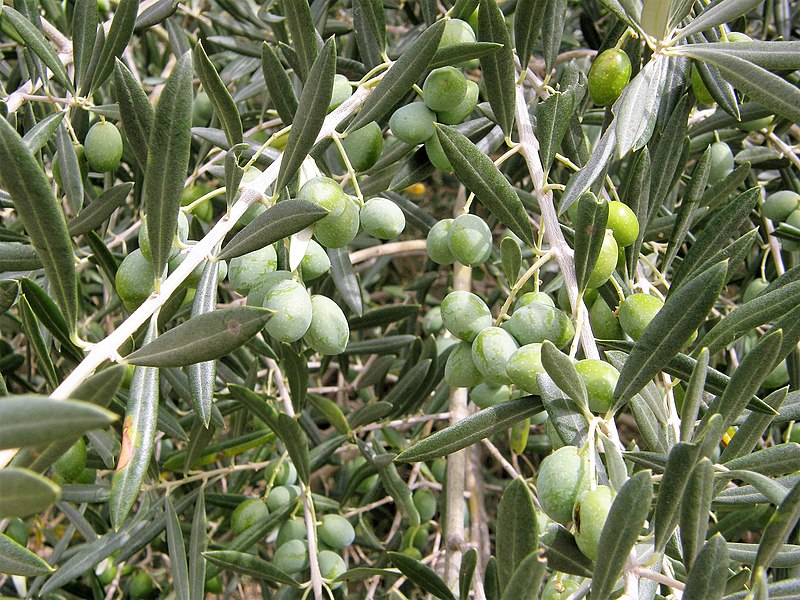
Common Olive is one of the oldest cultivated fruit trees in human history. Native to the Mediterranean region, this beautiful evergreen tree has been grown for thousands of years for its flavorful fruits, valuable oil, ornamental beauty, and remarkable longevity. With its silvery-green foliage, gnarled trunks, drought tolerance, and historical significance, the olive tree remains one of the world's most recognizable and beloved fruit-bearing plants.
Olive trees are famous not only for producing table olives and olive oil, but also for their ability to thrive under harsh conditions where many other fruit trees struggle. Mature specimens can live for centuries, and some ancient olive trees are believed to be over a thousand years old.
Plant Characteristics- Botanical Name: Olea europaea
- Common Names: Common Olive, European Olive, Olive Tree
- Plant Type: Evergreen fruit tree
- USDA Zones: 8-11
- Height: 15-40 feet
- Spread: 15-30 feet
- Sun Requirements: Full sun
- Flower Color: Creamy white
- Bloom Time: Spring
- Fruit Color: Green ripening to purple-black
Olives are among the world's most important fruit crops. Fresh olives contain natural compounds that make them extremely bitter, so they are traditionally cured before consumption. Once processed, they become one of the most widely enjoyed foods on earth.
- Table olives
- Olive oil production
- Tapenade
- Mediterranean cuisine
- Pickled olives
- Gourmet cooking
- Charcuterie boards
- Specialty food products
Olive oil remains one of the most valuable agricultural products in the world and is a cornerstone of Mediterranean cooking.
Important NoteFresh olives are generally not eaten directly from the tree. The fruits naturally contain bitter compounds that require curing or processing before becoming the familiar olives found in markets and kitchens.
Germination Instructions- Remove seeds from ripe fruits and clean thoroughly.
- Soak seeds in warm water for 24-48 hours.
- Lightly scarify the hard seed coat if desired.
- Sow approximately 1 inch deep in a well-drained growing medium.
- Maintain temperatures between 70-85°F.
- Keep soil slightly moist but never waterlogged.
- Germination may take 1-3 months or longer.
- Transplant seedlings once well established.
Olive trees thrive in sunny locations with excellent drainage. They are exceptionally drought tolerant once established and perform best in climates with warm, dry summers and mild winters.
The trees are naturally long-lived and relatively low maintenance. Annual pruning helps improve air circulation, shape, and fruit production.
Olives are particularly valued in water-conscious landscapes because mature trees require significantly less irrigation than many other fruit crops.
Container GrowingOlive trees are among the best fruit trees for container cultivation.
- Use a large container with excellent drainage.
- Provide full sun exposure.
- Use a sandy, well-drained potting mix.
- Allow the soil surface to dry slightly between waterings.
- Prune periodically to maintain size.
- Protect from severe freezes.
Container-grown olives are popular for patios, courtyards, sunrooms, and Mediterranean-themed gardens.
Pollinator ValueThe small spring flowers provide resources for bees and other beneficial insects. While olive flowers are not especially showy, large trees can produce thousands of blossoms during bloom season.
Wildlife ValueBirds may feed on ripe fruits, while mature trees provide nesting habitat and shelter. The dense evergreen canopy offers year-round cover for wildlife.
Historical and Cultural SignificanceFew trees have influenced human civilization as profoundly as the olive. Olive cultivation dates back at least 6,000 years and became central to the cultures of ancient Greece, Rome, Egypt, and the Middle East.
In ancient Greece, olive wreaths were awarded to Olympic champions. Olive oil served not only as food but also as fuel for lamps, medicine, cosmetics, and trade. Entire economies were built around olive production.
The olive branch became a universal symbol of peace and remains one of the most recognized symbols in the world today.
Interesting Botanical Facts- Some olive trees are believed to be more than 2,000 years old.
- Olive trees can regenerate from their roots even after severe damage.
- The olive branch has symbolized peace for thousands of years.
- Olives are technically classified as drupes, similar to peaches and cherries.
- There are hundreds of cultivated olive varieties worldwide.
If there were a Hall of Fame for fruit trees, the olive would certainly be among the first inductees. Few plants have shaped history, agriculture, commerce, cuisine, and culture so profoundly. Ancient olive groves planted during the Roman Empire still survive in parts of the Mediterranean today, continuing to bear fruit after centuries of harvests. For gardeners, the olive offers more than fruit—it provides a living connection to thousands of years of human history, wrapped in one of the most beautiful and drought-tolerant trees that can be grown.
For additional growing details, see our Common Olive Seeds AI fact sheet.
For over a thousand more unique seed varieties, all in stock and ready to ship, visit our Seed Catalog Index Page .

Contact Us | Privacy Policy | About Us
Serving gardeners since 1992
State of Mississippi Seedmen's Permit #C-391, Ohio 90152, Minnesota 20086777