
Common Pear Seeds
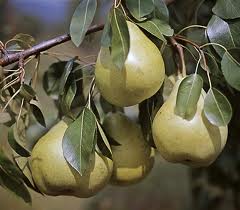
Common Pear is one of the world's most important and widely cultivated fruit trees. Native to Europe and parts of western Asia, it has been grown for thousands of years for its sweet, juicy fruits and beautiful ornamental qualities. Today, pears remain among the most popular orchard fruits and are enjoyed fresh, canned, baked, dried, and preserved in countless ways.
In spring, pear trees become covered with clouds of white blossoms that transform the landscape and attract pollinators from great distances. By late summer and autumn, these flowers develop into the familiar pear-shaped fruits that have delighted gardeners and orchardists for generations.
With exceptional longevity, reliable production, and outstanding flavor, Common Pear remains one of the finest fruit trees available for home orchards.
Plant Characteristics- Botanical Name: Pyrus communis
- Common Names: Common Pear, European Pear, Orchard Pear
- Plant Type: Deciduous fruit tree
- USDA Zones: 4-9
- Height: 20-50 feet
- Spread: 15-30 feet
- Sun Requirements: Full sun
- Flower Color: White
- Bloom Time: Early to mid spring
- Fruit Color: Green, yellow, bronze, russet, or red depending on variety
Pears are famous for their sweet flavor, juicy flesh, and smooth texture. Depending upon the variety, fruits may range from crisp and refreshing to exceptionally soft and buttery.
- Fresh eating
- Canning
- Pear preserves
- Jellies and jams
- Pies and pastries
- Dried pears
- Pear butter
- Juices and ciders
Many pear varieties continue to improve in flavor after harvest, a characteristic that distinguishes them from many other fruits.
Important NoteMost pears are harvested before they are fully ripe. Unlike many fruits, pears typically develop their best flavor and texture after being picked and allowed to ripen indoors.
Germination Instructions- Remove seeds from fully ripe fruits.
- Clean thoroughly and allow to dry briefly.
- Cold stratify for 60-90 days at 34-40°F.
- Sow approximately 1/2 inch deep in a well-drained growing medium.
- Maintain moderate moisture.
- Provide temperatures of 65-75°F following stratification.
- Germination generally occurs in spring.
- Transplant seedlings once established.
Common Pear grows best in full sun and fertile, well-drained soil. Trees are relatively easy to grow and often remain productive for decades when properly cared for.
Most varieties benefit from cross-pollination with another pear variety blooming at the same time. Good air circulation and annual pruning help maintain healthy growth and consistent fruit production.
Once established, pear trees are relatively drought tolerant and require less maintenance than many fruit species.
Container GrowingDwarf pear selections can be successfully grown in large containers.
- Use containers of at least 15-25 gallons.
- Provide excellent drainage.
- Place in full sun.
- Water regularly during active growth.
- Prune to maintain size and shape.
- Fertilize lightly each spring.
Container-grown pears can produce surprisingly good harvests when properly maintained.
Pollinator ValueThe abundant spring blossoms attract honeybees, native bees, hoverflies, and many beneficial pollinators. Flowering pear trees often become important nectar sources during early spring.
Good pollinator activity is essential for optimal fruit production.
Wildlife ValueBirds, deer, foxes, raccoons, and numerous other wildlife species consume fallen fruits. Mature trees also provide nesting habitat, shelter, and seasonal cover.
Orchard trees contribute significantly to local biodiversity.
Historical and Cultural SignificancePears have been cultivated for at least 3,000 years and were highly valued by the ancient Greeks and Romans. Classical writers described numerous pear varieties, and Roman horticulturists developed many of the orchard practices still used today.
Throughout medieval Europe, pear trees became common features in monastery gardens, manor estates, and village orchards.
Today, thousands of named pear varieties exist around the world.
Interesting Botanical Facts- Pear trees can remain productive for more than 100 years.
- Some historic European pear trees are several centuries old.
- Pears belong to the rose family.
- The wood is highly valued for carving and woodworking.
- There are thousands of named pear cultivars worldwide.
One reason pears have remained popular for thousands of years is their remarkable versatility. They can be eaten fresh, canned, dried, baked into desserts, turned into preserves, or enjoyed as juice and cider. Combined with beautiful spring blossoms and impressive longevity, a pear tree often becomes a treasured family heirloom that continues producing fruit long after the person who planted it is gone. Few fruit trees offer such a combination of beauty, productivity, and historical significance.
Many old farmsteads throughout North America still contain pear trees planted by earlier generations, quietly producing fruit decades after the original homestead disappeared.
For additional growing details, see our Common Pear Seeds AI fact sheet.
For over a thousand more unique seed varieties, all in stock and ready to ship, visit our Seed Catalog Index Page .

Contact Us | Privacy Policy | About Us
Serving gardeners since 1992
State of Mississippi Seedmen's Permit #C-391, Ohio 90152, Minnesota 20086777