
Cranberry Seeds
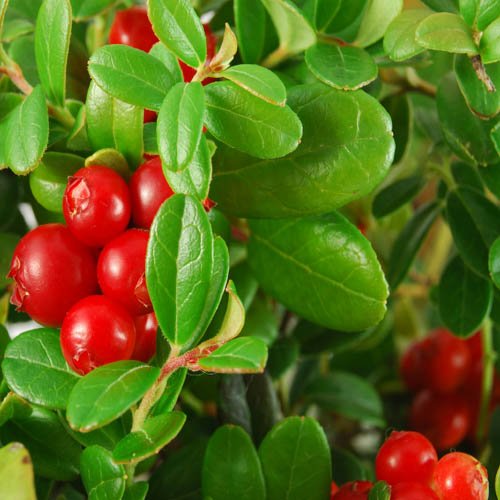
Cranberry is a low-growing evergreen fruiting vine native to the acidic bogs, wetlands, and sandy coastal plains of eastern North America. Producing bright red berries rich in flavor and antioxidants, it has become one of the most recognizable fruits in the world and an important agricultural crop throughout the northern United States and Canada.
In spring and early summer, delicate pink flowers appear above the glossy evergreen foliage. By autumn, these flowers mature into brilliant red berries that have been prized for food, preservation, beverages, and traditional uses for centuries.
Its attractive evergreen foliage, colorful fruit, and historical significance make Cranberry one of North America's most fascinating native fruit plants.
Plant Characteristics- Botanical Name: Vaccinium macrocarpon
- Common Names: Cranberry, American Cranberry, Large Cranberry
- Plant Type: Evergreen fruiting vine
- USDA Zones: 2-7
- Height: 4-8 inches
- Spread: 2-6 feet through runners
- Sun Requirements: Full sun
- Flower Color: Pink
- Bloom Time: Late spring to early summer
- Fruit Color: Bright red to deep crimson
Cranberries are famous for their tart flavor and exceptional versatility. While usually too tart for most people to eat fresh, they become outstanding when processed.
- Cranberry sauce
- Juices and beverages
- Dried cranberries
- Jellies and preserves
- Baked goods
- Fruit blends
- Holiday recipes
- Traditional foods
The berries are especially valued for their high antioxidant content and unique flavor profile.
Important NoteCranberries require acidic soil. Optimal growth generally occurs at a soil pH between approximately 4.0 and 5.5. Maintaining proper soil acidity is essential for successful cultivation.
Germination Instructions- Mix seeds with slightly moist sand or peat.
- Cold stratify for 60-90 days at 34-40°F.
- Surface sow seeds after stratification.
- Do not deeply cover the seeds.
- Maintain temperatures between 65-75°F.
- Keep the growing medium consistently moist.
- Provide bright light.
- Germination may require several weeks.
Cranberries thrive in acidic, organic-rich soils with consistent moisture. Unlike many fruits, they naturally grow in environments that remain moist throughout the growing season.
Plants spread through runners and gradually form dense mats of evergreen foliage. Mulching with peat moss, pine needles, or other acidic materials can improve performance.
Once established, Cranberries can remain productive for many years.
Container GrowingCranberries adapt surprisingly well to container cultivation.
- Use wide containers rather than deep ones.
- Fill with acidic growing media.
- Maintain constant moisture.
- Provide full sun.
- Avoid allowing containers to dry completely.
- Mulch with pine needles or peat moss.
Container growing allows gardeners outside traditional cranberry regions to enjoy these unique native fruits.
Pollinator ValueThe distinctive pink flowers attract bees, particularly native bees and bumblebees. Effective pollination is essential for good fruit production.
Cranberry flowers provide valuable nectar and pollen resources during bloom.
Wildlife ValueCranberries provide food for birds, bears, foxes, and numerous wildlife species. Wetland habitats supporting cranberries are among the most biologically diverse ecosystems in North America.
The evergreen foliage also offers cover for small wildlife.
Historical and Cultural SignificanceNative Americans harvested cranberries long before European settlement and used them for food, medicine, dyes, and preservation. Cranberries were often combined with dried meat and fat to create pemmican, an important traditional food.
European settlers quickly adopted cranberries and incorporated them into their diets. By the nineteenth century, cranberry cultivation had become an important agricultural industry.
Today, cranberries remain closely associated with North American holiday traditions.
Interesting Botanical Facts- The species name macrocarpon means "large-fruited."
- Cranberries belong to the same genus as blueberries.
- The berries naturally float because of internal air pockets.
- Plants can remain productive for decades.
- The flowers resemble the head and bill of a crane, inspiring the name "crane berry," later shortened to cranberry.
Few fruits are as uniquely American as the Cranberry. From Native American food traditions to modern Thanksgiving tables, these bright red berries have played an important role in North American history for centuries. Beyond their cultural significance, cranberries offer beautiful evergreen foliage, attractive flowers, and nutritious fruit packed with flavor. For gardeners interested in native fruits, cranberries provide an opportunity to grow one of the continent's most iconic crops.
The bright red berries often remain attractive well into autumn, creating a striking contrast against the glossy evergreen foliage.
Additional Seedman NoteOne of the most fascinating aspects of cranberry production is the famous flooded harvest. Contrary to popular belief, cranberries do not grow underwater. They grow on dry vines, but the bogs are flooded during harvest because the ripe berries contain tiny air pockets that allow them to float. This ingenious harvesting method creates the spectacular images of bright red cranberry bogs seen throughout New England and the upper Midwest each autumn.
For additional growing details, see our Cranberry Seeds AI fact sheet.
For over a thousand more unique seed varieties, all in stock and ready to ship, visit our Seed Catalog Index Page .

Contact Us | Privacy Policy | About Us
Serving gardeners since 1992
State of Mississippi Seedmen's Permit #C-391, Ohio 90152, Minnesota 20086777