
Custard Apple Seeds
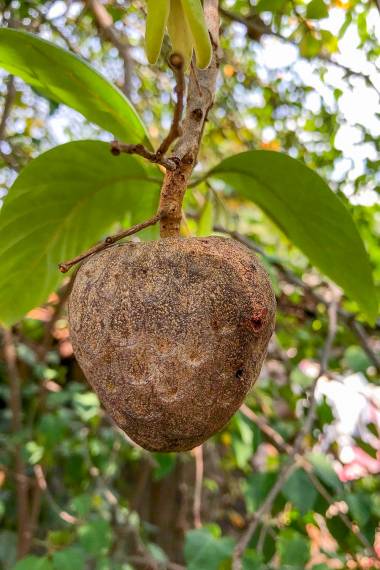
Custard Apple is one of the classic tropical fruits of the world, prized for its exceptionally sweet, creamy flesh and rich, dessert-like flavor. A member of the famous Annona family, which also includes Cherimoya, Sugar Apple, Atemoya, and Soursop, Annona reticulata produces large heart-shaped fruits filled with smooth custard-like pulp surrounding glossy black seeds.
Native to the tropical Americas and cultivated throughout warm regions of the world, Custard Apple has earned a reputation as one of the finest tropical fruits for fresh eating. The creamy flesh is often compared to vanilla custard, banana pudding, and sweet cream, making it a favorite among fruit collectors and tropical fruit enthusiasts.
The tree itself is attractive and easy to grow in frost-free climates, producing glossy green leaves and unusual fragrant flowers that later develop into large fruits. Mature trees can become highly productive, yielding crops of delicious fruits year after year.
Uses- Fresh eating.
- Smoothies and milkshakes.
- Ice cream and desserts.
- Fruit salads.
- Tropical fruit collections.
- Greenhouse and conservatory culture.
- Edible landscaping.
- Rare fruit orchards.
- Soak seeds in warm water for 24-48 hours before planting.
- Sow seeds 1/2 inch deep in a well-drained seed-starting mix.
- Maintain temperatures between 75-90°F (24-32°C).
- Keep soil consistently moist but never waterlogged.
- Provide bright filtered light.
- High humidity may improve germination.
- Germination typically occurs within 2-8 weeks.
- Botanical Name: Annona reticulata
- Plant Type: Tropical fruit tree
- Family: Annonaceae (Custard Apple Family)
- USDA Zones: 10-12
- Sun Exposure: Full sun
- Soil: Fertile, well-drained soil
- Water: Moderate moisture
- Height: 15-30 feet
- Growth Rate: Moderate to fast
- Fruit Season: Varies with climate
Custard Apple thrives in warm, frost-free climates and appreciates rich soil and regular watering during active growth. Established trees are relatively drought tolerant but produce the best crops when provided with consistent moisture during flowering and fruit development.
Container GrowingYoung trees adapt well to container culture and can be grown successfully in large pots for many years. In cooler climates, container-grown plants may be moved indoors or into a greenhouse during cold weather. Regular pruning can help maintain a manageable size for container-grown specimens.
Special Features- Produces delicious custard-like fruit.
- Member of the famous Annona family.
- Highly ornamental tropical tree.
- Excellent greenhouse specimen.
- Fast-growing under warm conditions.
- Suitable for container culture.
- Popular among rare fruit collectors.
- Long-lived and productive.
Custard Apples contain vitamin C, dietary fiber, potassium, magnesium, and numerous beneficial plant compounds. The sweet flesh is enjoyed fresh and is commonly used in tropical desserts, beverages, and fruit preparations throughout its native range.
Seedman Growing NoteCustard Apple is often considered one of the easiest Annona species for home growers in tropical and subtropical climates. Seed-grown plants may vary somewhat in fruit quality and size, but many produce excellent fruit. Because seedlings often adapt well to local growing conditions, they can make outstanding long-term orchard trees.
Collectors of tropical fruits often enjoy growing several Annona species together, such as Custard Apple, Sugar Apple, Cherimoya, Atemoya, Soursop, and Sancoya, creating a fascinating collection of related fruits with unique flavors and characteristics.
Custard Apple (Annona reticulata) combines tropical beauty, ease of cultivation, and wonderfully sweet fruit into one rewarding tree. Whether grown for its delicious harvests or as part of a rare fruit collection, it remains one of the most desirable members of the Annona family.
For additional growing details, see our Custard Apple Seeds AI fact sheet.
For over a thousand more unique seed varieties, all in stock and ready to ship, visit our Seed Catalog Index Page .

Contact Us | Privacy Policy | About Us
| Returns
Serving gardeners since 1992
State of Mississippi Seedmen's Permit #C-391, Ohio 90152, Minnesota 20086777