
Date Plum Seeds
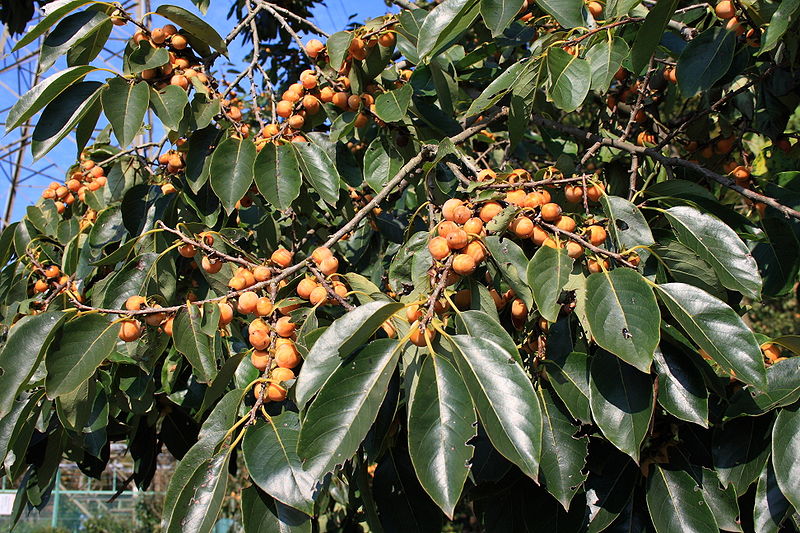
Date Plum, also known as Caucasian Persimmon, Lotus Persimmon, or Wild Persimmon, is an ancient fruit tree prized for its sweet fruits, ornamental beauty, and remarkable hardiness. Native to regions extending from Southeastern Europe through the Caucasus and into Asia, Diospyros lotus has been cultivated for thousands of years and remains one of the most fascinating members of the persimmon family.
The tree produces small plum-sized fruits that ripen from yellow-orange to deep purple or nearly black. When fully mature, the fruits become sweet and flavorful, often described as having notes of dates, figs, raisins, and persimmons. This distinctive flavor profile is believed to be the source of the common name "Date Plum."
In addition to its edible fruits, Date Plum is a handsome ornamental tree with glossy green foliage, attractive bark, and excellent fall color. It is also valued as a rootstock for cultivated persimmons due to its vigor and adaptability.
Long-lived, drought tolerant, and highly adaptable, Date Plum makes an excellent choice for fruit collectors, edible landscapes, wildlife plantings, and gardeners seeking unusual fruits with historical significance.
Uses- Fresh fruit consumption.
- Dried fruit production.
- Jams and preserves.
- Wildlife food source.
- Edible landscaping.
- Persimmon rootstock production.
- Ornamental shade tree.
- Rare fruit collections.
- Remove seeds from ripe fruits and clean thoroughly.
- Soak seeds in water for 24 hours.
- Cold stratify seeds in moist peat moss or vermiculite for 60-90 days at 35-40°F (2-4°C).
- Sow seeds 1/2 inch deep in a well-drained seed-starting mix.
- Maintain even moisture during germination.
- Provide warmth and bright light after sowing.
- Germination may occur over several weeks.
- Transplant seedlings once well established.
- Botanical Name: Diospyros lotus
- Plant Type: Deciduous fruit tree
- USDA Zones: 5-9
- Sun Exposure: Full sun
- Soil: Adaptable to many well-drained soils
- Water: Moderate; drought tolerant once established
- Height: 30-50 feet
- Spread: 20-35 feet
- Growth Rate: Moderate
- Fruit Ripens: Late summer to autumn
Date Plum is highly adaptable and capable of growing in a wide range of soil conditions. Once established, it demonstrates excellent drought tolerance and resilience, making it suitable for many climates and growing situations.
Fruit CharacteristicsThe fruits are typically about the size of large cherries or small plums. Like many persimmons, they improve in flavor as they fully ripen and soften. Mature fruits develop a rich sweetness and have been enjoyed fresh, dried, and preserved throughout their native range for centuries.
Wildlife ValueThe fruits attract birds and wildlife, while the tree itself provides shelter and seasonal habitat. In naturalized settings, Date Plum can become an important source of food for many species.
Special Features- Member of the persimmon family.
- Produces sweet edible fruits.
- Excellent drought tolerance.
- Attractive ornamental tree.
- Useful persimmon rootstock.
- Long-lived and adaptable.
- Beautiful fall foliage.
- Suitable for rare fruit collections.
Date Plum has been cultivated since ancient times and was known to the Greeks and Romans. Some historians believe it may have been among the earliest persimmon relatives grown outside its native range.
The species name lotus has sparked considerable historical interest because some scholars have suggested that Date Plum may have been the legendary "Lotus Tree" mentioned in Homer's Odyssey. According to the ancient story, those who ate the fruit of the Lotus forgot their homes and wished to remain forever in the land of the Lotus-Eaters.
While historians continue to debate the true identity of the mythical Lotus Tree, Date Plum remains one of the leading candidates because of its ancient cultivation and sweet, memorable fruits.
Seedman Growing NoteDate Plum is often overlooked in favor of larger modern persimmon varieties, yet it possesses several unique advantages including cold hardiness, adaptability, and historical significance. It is an excellent choice for collectors interested in unusual fruit trees with deep cultural roots.
Because it belongs to the same genus as the common persimmon, many gardeners enjoy comparing the fruits and growth habits of the two species. The tree's adaptability and attractive appearance make it valuable even before fruit production begins.
Date Plum (Diospyros lotus) is a fascinating fruit tree that combines ancient history, ornamental beauty, wildlife value, and sweet edible fruits. Whether grown for its harvest, its connection to classical history, or its place in rare fruit collections, it remains one of the most intriguing members of the persimmon family.
For additional growing details, see our Date Plum Seeds AI fact sheet.
For over a thousand more unique seed varieties, all in stock and ready to ship, visit our Seed Catalog Index Page .

Contact Us | Privacy Policy | About Us
Serving gardeners since 1992
State of Mississippi Seedmen's Permit #C-391, Ohio 90152, Minnesota 20086777