
Goji Berry Seeds
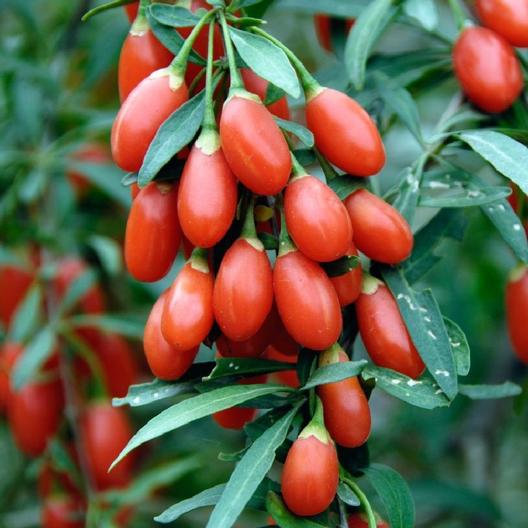
Chinese Wolfberry, better known as Goji Berry, is one of the world's most celebrated superfruits. Native to parts of China, Mongolia, and the Himalayan region, this hardy deciduous shrub produces abundant crops of bright red-orange berries that have been valued for centuries in traditional Asian cultures. The sweet-tart fruits are rich in vitamins, antioxidants, carotenoids, and beneficial plant compounds, making Goji Berry a favorite among health-conscious gardeners and fruit enthusiasts.
Easy to grow and remarkably adaptable, Goji Berry tolerates heat, drought, poor soils, and cold winters while rewarding growers with attractive flowers, colorful fruit, and excellent wildlife value.
Plant Characteristics- Botanical Name: Lycium barbarum
- Common Names: Goji Berry, Chinese Wolfberry, Matrimony Vine
- Plant Type: Deciduous fruiting shrub
- USDA Zones: 5-9
- Height: 6-10 feet
- Spread: 4-8 feet
- Sun Requirements: Full sun
- Flower Color: Purple to lavender
- Bloom Time: Late spring through summer
- Fruit Color: Bright red-orange
Goji berries are small, elongated fruits with a unique sweet flavor balanced by subtle tartness. The berries can be eaten fresh from the plant, dried like raisins, or incorporated into a variety of foods and beverages.
Popular uses include:
- Fresh eating
- Dried snack fruit
- Trail mixes
- Teas and herbal beverages
- Smoothies
- Breakfast cereals and oatmeal
- Jams and preserves
- Baked goods
- Traditional herbal preparations
Goji berries are particularly noted for their high levels of antioxidants, vitamin C, vitamin A precursors, iron, and beneficial plant nutrients.
Germination Instructions- Soak seeds in warm water for 12-24 hours.
- Sow seeds on the surface of moist seed-starting mix.
- Cover lightly with approximately 1/8 inch of soil.
- Maintain temperatures between 70-80°F.
- Provide bright light during germination.
- Keep soil evenly moist but not soggy.
- Germination typically occurs within 10-30 days.
- Transplant seedlings when several inches tall.
Goji Berry thrives in full sun and well-drained soil. Once established, plants are highly drought tolerant and require minimal care. New growth produces flowers and fruit, so annual pruning can help encourage productivity and maintain an attractive shape.
Plants generally begin producing fruit within 2-3 years from seed and may continue bearing heavily for many years. Mature shrubs often yield impressive quantities of berries throughout summer and into autumn.
Goji Berry's arching branches create an attractive informal appearance and can be trained onto trellises if desired.
Container GrowingGoji Berry adapts well to container cultivation.
- Use containers at least 15-20 gallons in size.
- Provide excellent drainage.
- Place in full sun.
- Water when the upper soil surface becomes dry.
- Prune annually to maintain size and encourage fruiting.
- Fertilize lightly in spring.
Container-grown plants are excellent for patios, decks, and small-space edible landscapes.
Pollinator ValueThe attractive purple flowers are highly appealing to bees, native pollinators, butterflies, and beneficial insects. Flowering may continue for an extended period, providing valuable nectar and pollen resources throughout the growing season.
Wildlife ValueBirds are particularly fond of the ripe berries. The dense branching habit also provides nesting sites and shelter for songbirds and other beneficial wildlife.
Historical and Cultural SignificanceGoji Berry has been cultivated in Asia for over 2,000 years and occupies a special place in Chinese culture. Ancient herbal texts frequently mention the fruit, and it has long been associated with longevity, vitality, and wellness.
The fertile floodplains along China's Yellow River became famous for producing exceptional Goji Berry harvests, helping establish the fruit's reputation throughout Asia and eventually around the world.
In recent decades, Goji Berry has become one of the best-known "superfruits" internationally due to its nutritional profile and traditional history.
Interesting Botanical Facts- Goji Berry belongs to the nightshade family, making it a distant relative of tomatoes, peppers, potatoes, and eggplants.
- The plant can produce flowers and fruit simultaneously over a long growing season.
- Mature plants often continue producing berries for decades.
- The species is highly adaptable and can tolerate temperatures from well below freezing to intense summer heat.
Few fruiting shrubs offer the combination of hardiness, productivity, beauty, and historical significance found in Goji Berry. A mature plant can provide pounds of nutritious fruit each year while also attracting pollinators and birds. What many gardeners find most surprising is that Goji Berry is much easier to grow than its exotic reputation suggests—often thriving where more demanding fruit crops struggle. For gardeners seeking an unusual edible landscape plant with genuine historical roots and modern appeal, Goji Berry is an outstanding choice.
For additional growing details, see our Goji Berry Seeds AI fact sheet.
For over a thousand more unique seed varieties, all in stock and ready to ship, visit our Seed Catalog Index Page .

Contact Us | Privacy Policy | About Us
Serving gardeners since 1992
State of Mississippi Seedmen's Permit #C-391, Ohio 90152, Minnesota 20086777