
Honey Locust Seeds
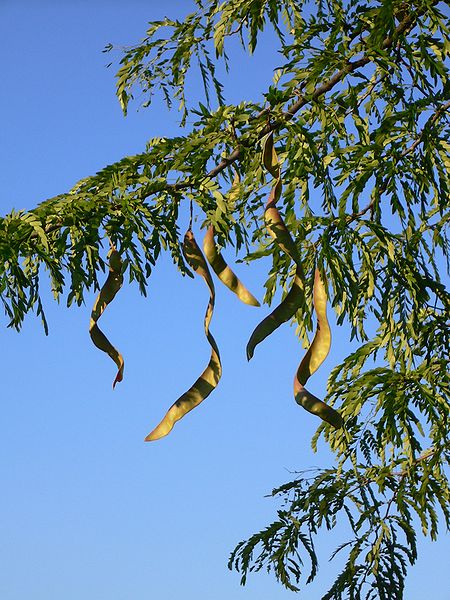
Honey Locust is a distinctive North American tree valued for its sweet edible seed pods, graceful fern-like foliage, wildlife benefits, and exceptional adaptability. Native to the central and eastern United States, Gleditsia triacanthos is one of the most recognizable native trees thanks to its elegant leaves, long seed pods, and impressive thorns found on wild forms.
Unlike many shade trees, Honey Locust casts a light, filtered shade that allows grass and other plants to grow beneath its canopy. Its delicate foliage creates a soft, airy appearance that is highly prized in parks, landscapes, and naturalized settings.
In autumn, mature trees produce long, twisting seed pods that may reach over a foot in length. Inside these pods is a sweet, sticky pulp that has been consumed by wildlife and humans for centuries. The sugary pulp inspired the common name "Honey Locust" and has often been compared to molasses, honey, or caramel in flavor.
Uses- Edible pod pulp.
- Wildlife habitat plantings.
- Shade tree.
- Windbreaks.
- Native landscaping.
- Pollinator support.
- Agroforestry plantings.
- Conservation projects.
- Scarify seeds by nicking or lightly sanding the seed coat.
- Soak seeds in warm water for 24 hours.
- Sow seeds 1/2 inch deep in well-drained soil.
- Maintain temperatures of 70-85°F (21-29°C).
- Keep soil evenly moist.
- Provide full sun after germination.
- Germination usually occurs within 1-4 weeks.
- Transplant seedlings when well established.
- Botanical Name: Gleditsia triacanthos
- Plant Type: Deciduous shade tree
- USDA Zones: 3-9
- Sun Exposure: Full sun
- Soil: Highly adaptable
- Water: Moderate; drought tolerant once established
- Height: 50-80 feet
- Spread: 35-60 feet
- Growth Rate: Moderate to fast
- Pod Production: Late summer through autumn
Honey Locust is exceptionally adaptable and grows well in urban conditions, poor soils, drought-prone areas, and a wide range of climates. It is often planted as a landscape tree because of its resilience and attractive appearance.
Edible Pod PulpThe sweet pulp found between the seeds was historically eaten fresh and occasionally used to make beverages. While the seeds themselves are very hard, the surrounding pulp contains natural sugars that attract wildlife and have long been appreciated by people familiar with the tree.
Wildlife ValueHoney Locust pods provide food for deer, rabbits, squirrels, livestock, and numerous other animals. The tree also offers nesting habitat and shelter for birds and contributes to healthy native ecosystems.
Special Features- Produces sweet edible pod pulp.
- Graceful fern-like foliage.
- Excellent shade tree.
- Highly adaptable.
- Drought tolerant once established.
- Valuable wildlife plant.
- Fast growing.
- Attractive golden fall color.
Many botanists believe Honey Locust evolved alongside large Ice Age mammals such as mastodons and giant ground sloths. These massive animals may have eaten the sweet pods and dispersed the seeds across the landscape.
When those giant mammals became extinct thousands of years ago, Honey Locust retained its oversized sweet pods as a reminder of an ancient ecological partnership.
The species name triacanthos means "three-spined," referring to the formidable branched thorns found on wild trees. Some of these thorns can grow several inches long and were once used as natural nails and pins.
Seedman Growing NoteOne of the most fascinating aspects of Honey Locust is its connection to prehistoric North America. Few trees growing today can be linked so directly to the age of mastodons and giant ground sloths.
The sweet pods continue to attract wildlife just as they likely did thousands of years ago. For gardeners interested in native plants, wildlife habitat, or edible landscape species, Honey Locust offers a unique combination of beauty, history, and ecological importance.
Honey Locust (Gleditsia triacanthos) is a remarkable native tree that combines graceful beauty, edible pod pulp, wildlife value, and one of the most intriguing evolutionary stories in North America. Whether planted as a shade tree, conservation species, or historical curiosity, it remains a fascinating addition to the landscape.
For additional growing details, see our Honey Locust Seeds AI fact sheet.
For over a thousand more unique seed varieties, all in stock and ready to ship, visit our Seed Catalog Index Page .

Contact Us | Privacy Policy | About Us
Serving gardeners since 1992
State of Mississippi Seedmen's Permit #C-391, Ohio 90152, Minnesota 20086777