
Hops Vine Seeds
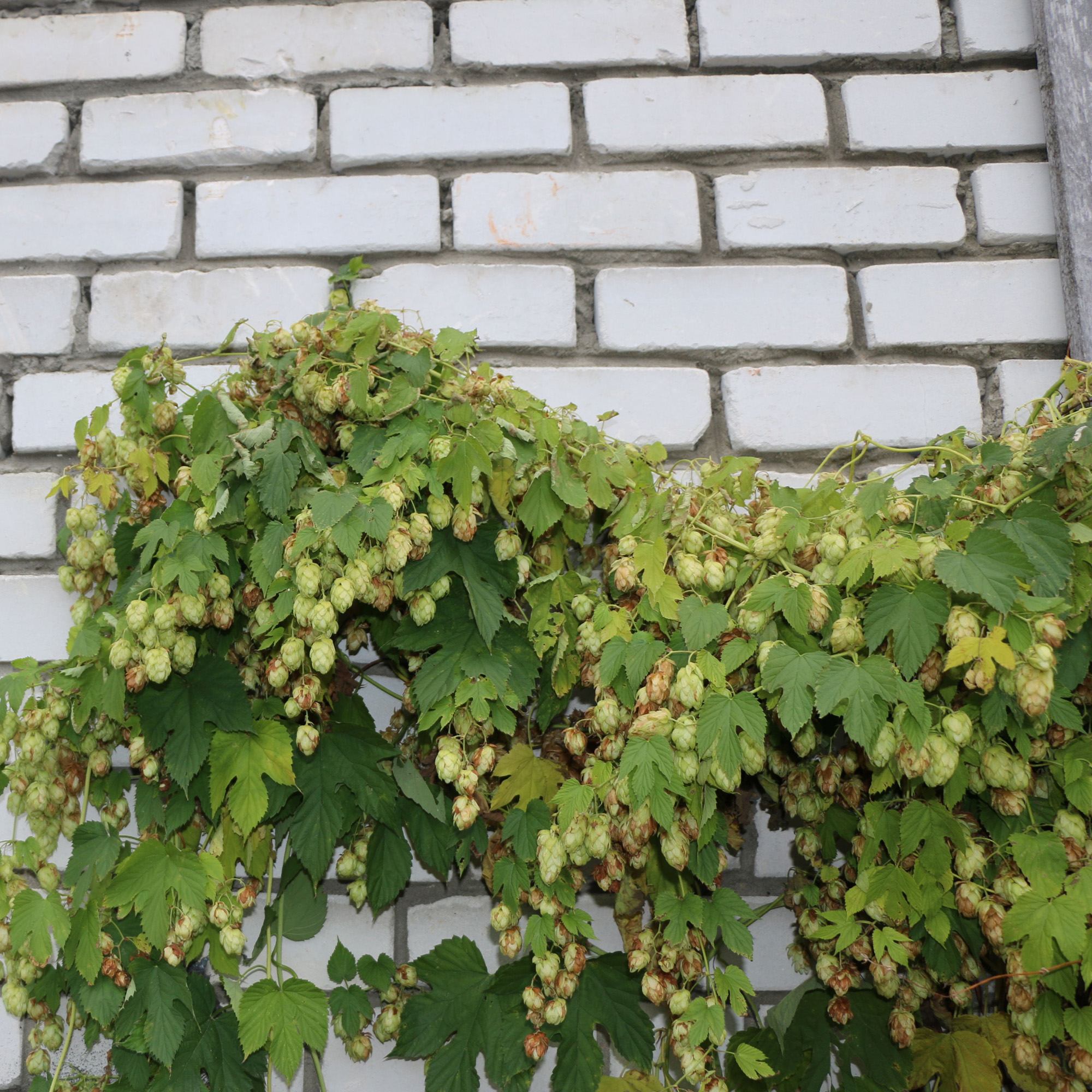
Hops is a vigorous perennial climbing vine prized for its aromatic cones, ornamental beauty, pollinator value, and long history of cultivation. Native to Europe, Asia, and North America, Humulus lupulus has been grown for centuries and remains one of the world's most economically important herbaceous crops.
Each spring, hops emerge from the ground and rapidly produce vigorous climbing stems known as bines. These bines can grow 15 to 25 feet or more in a single season, creating a lush wall of attractive foliage. By late summer, female plants produce the distinctive papery cones that have made hops famous throughout the world.
The aromatic cones contain natural compounds that have been valued for brewing, herbal preparations, fragrance, and traditional medicinal uses for hundreds of years. Even gardeners with no interest in brewing often grow hops simply for their beauty, rapid growth, and ability to cover trellises, fences, and arbors.
Uses- Brewing and beverage production.
- Pollinator gardens.
- Ornamental vines.
- Privacy screens.
- Pergola and arbor coverage.
- Herbal uses.
- Dried decorative arrangements.
- Wildlife-friendly gardens.
- Cold stratify seeds for 30-60 days at 35-40°F (2-4°C).
- Sow seeds on the surface of a moist seed-starting mix.
- Lightly cover with a thin layer of growing medium.
- Maintain temperatures of 65-75°F (18-24°C).
- Keep soil consistently moist.
- Provide bright light.
- Germination typically occurs within 2-6 weeks.
- Transplant carefully after seedlings develop several true leaves.
- Botanical Name: Humulus lupulus
- Plant Type: Herbaceous perennial vine
- USDA Zones: 3-8
- Sun Exposure: Full sun
- Soil: Fertile, well-drained soil
- Water: Moderate moisture
- Height: 15-25 feet or more per season
- Spread: Variable depending on support structure
- Growth Rate: Extremely fast
- Cone Production: Late summer to early autumn
Hops prefer rich soils and full sun. Once established, plants return year after year from underground crowns and can provide decades of productivity. Strong vertical support is essential due to the plant's rapid growth.
Pollinator and Wildlife ValueAlthough wind-pollinated, hops provide habitat and shelter for numerous beneficial insects. The dense foliage also offers cover for birds and creates valuable structure within wildlife-friendly gardens.
Special Features- Extremely fast-growing vine.
- Long-lived perennial.
- Produces aromatic cones.
- Excellent trellis plant.
- Attractive ornamental foliage.
- Cold hardy.
- Useful privacy screen.
- Historically important crop.
Hops have been cultivated for over a thousand years and became an important ingredient in brewing during the Middle Ages. Prior to the widespread use of hops, many beverages were flavored with mixtures of herbs and spices known as "gruit."
The use of hops gradually spread throughout Europe because the plant not only contributed flavor but also helped preserve beverages. This preservation effect helped transform brewing practices across much of the world.
The species name lupulus means "little wolf." Ancient observers believed hops vines "strangled" nearby plants as they climbed, much like a wolf attacking its prey.
Traditional UsesFor centuries, hops were valued beyond agriculture. Dried hop cones were often placed in pillows because many people believed the aroma promoted restful sleep. Hop pillows remain popular among herbal enthusiasts today.
Various herbal traditions also utilized hops for calming teas and preparations, contributing to the plant's long-standing reputation as both an agricultural and medicinal crop.
Seedman Growing NoteMany gardeners are astonished by the growth rate of hops. Under favorable conditions, bines can grow several inches in a single day during peak summer growth. Few temperate-climate plants can match their speed.
Even if cone production is not the primary goal, hops make outstanding ornamental vines for covering fences, pergolas, trellises, and unsightly structures. Their rapid growth and lush foliage create dramatic landscape effects in a single season.
Hops (Humulus lupulus) combines history, beauty, utility, and remarkable vigor into one extraordinary perennial vine. Whether grown for its cones, ornamental appeal, wildlife value, or fascinating history, it remains one of the world's most important and recognizable climbing plants.
For over a thousand more unique seed varieties, all in stock and ready to ship, visit our Seed Catalog Index Page .

Contact Us | Privacy Policy | About Us
Serving gardeners since 1992
State of Mississippi Seedmen's Permit #C-391, Ohio 90152, Minnesota 20086777