
Indian Plum Seeds
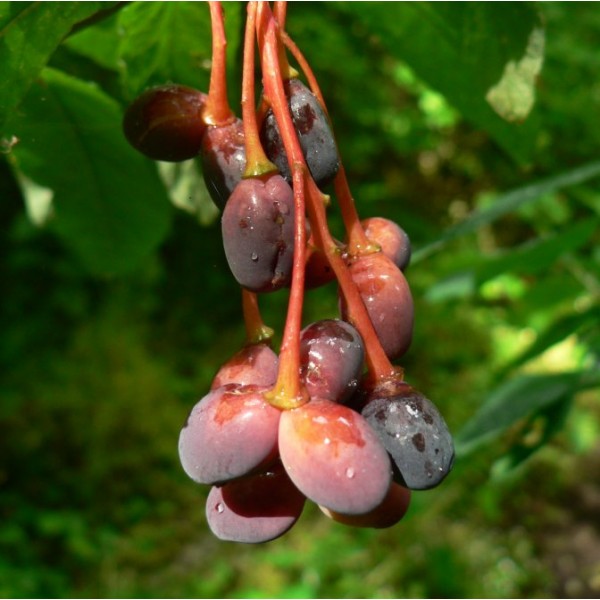
Indian Plum is a beautiful native fruiting shrub of western North America, prized for its early spring flowers, attractive foliage, edible fruits, and exceptional wildlife value. Native from British Columbia south through California, this hardy deciduous shrub is often one of the very first native plants to awaken in spring, producing delicate clusters of fragrant white flowers before many surrounding plants have even begun leafing out.
By early summer, the flowers give way to small plum-like fruits that ripen from green to deep blue-black. The fruits have been gathered and eaten by Indigenous peoples for centuries and remain an important wildlife food source throughout their native range.
Plant Characteristics- Botanical Name: Oemleria cerasiformis
- Common Names: Indian Plum, Osoberry, Oso Berry, Bird Cherry
- Plant Type: Deciduous fruiting shrub
- USDA Zones: 5-9
- Height: 6-20 feet
- Spread: 6-15 feet
- Sun Requirements: Full sun to partial shade
- Flower Color: White
- Bloom Time: Very early spring
- Fruit Color: Blue-purple to nearly black
The fruits resemble small plums or olives and mature in late spring to early summer. Their flavor varies from mildly sweet to somewhat bitter depending on ripeness and growing conditions.
- Fresh eating when fully ripe
- Traditional Indigenous foods
- Jellies and preserves
- Wildlife plantings
- Native edible landscapes
- Conservation plantings
While not generally considered a commercial fruit, Indian Plum is highly valued for its historical significance, wildlife benefits, and native food heritage.
Important NoteIndian Plum is usually dioecious, meaning male and female flowers occur on separate plants. Female plants require a nearby male plant for fruit production. Male plants often produce larger and showier flower displays, while female plants produce the attractive fruits.
Germination Instructions- Remove seeds from fully ripe fruits.
- Clean thoroughly and soak in water for 24 hours.
- Cold stratify for 90-120 days at 34-40°F.
- Sow approximately 1/2 inch deep in a moist, well-drained growing medium.
- Maintain temperatures between 65-75°F after stratification.
- Keep soil evenly moist.
- Germination may occur over several weeks or months.
- Transplant seedlings carefully after establishment.
Indian Plum grows naturally along woodland edges, streambanks, and forest openings. It prefers well-drained soils with moderate moisture and adapts well to partial shade.
Once established, the shrub is hardy, low maintenance, and highly adaptable. It is particularly valuable in native plant landscapes because it flowers so early in the season when few other plants are in bloom.
The graceful branching habit and attractive foliage make it an excellent ornamental shrub even when not carrying fruit.
Container GrowingYoung Indian Plum plants can be successfully grown in large containers.
- Use deep containers with good drainage.
- Provide partial shade in hot climates.
- Use rich, well-drained potting soil.
- Maintain consistent moisture.
- Protect roots from extreme heat.
- Repot as needed.
Container growing can be useful for native plant collectors and small-space gardeners.
Pollinator ValueIndian Plum is one of the earliest nectar-producing native shrubs in its range. The flowers attract native bees, honeybees, hoverflies, and other beneficial insects emerging from winter dormancy.
Its early flowering period makes it especially valuable for supporting pollinators when few other nectar sources are available.
Wildlife ValueIndian Plum is considered one of the most important native wildlife shrubs of the Pacific Northwest. The fruits are eagerly consumed by birds, while the dense branches provide nesting habitat and cover.
Numerous bird species, small mammals, and beneficial insects depend upon the plant throughout the year.
Historical and Cultural SignificanceIndian Plum has a long history of use among Indigenous peoples throughout the Pacific Northwest. The fruits were gathered seasonally, and the shrub became an important indicator of changing seasons and food availability.
The common name "Osoberry" is believed to originate from observations that bears often consumed the fruits when available. The plant remains culturally important in many native communities today.
Because it blooms so early, Indian Plum traditionally served as one of nature's first signs that winter was ending and spring was arriving.
Interesting Botanical Facts- Indian Plum is often the first native shrub to bloom in spring.
- The leaves emit a distinctive cucumber-like scent when crushed.
- It is the only species in the genus Oemleria.
- The fruits mature earlier than many other native berries.
- It plays a crucial role in supporting early-season pollinators.
Indian Plum is one of those plants that quietly announces the arrival of spring. Long before many trees leaf out, its delicate white flowers begin attracting bees and other pollinators, bringing life back to the landscape after winter. Native peoples recognized its importance centuries ago, and wildlife continues to rely on it today. The pleasant cucumber scent released by crushed leaves is an unexpected surprise for many gardeners and adds another layer of interest to this remarkable native shrub. For anyone interested in native fruits, wildlife gardening, or edible landscapes, Indian Plum is a rewarding and historically significant addition to the garden.
For over a thousand more unique seed varieties, all in stock and ready to ship, visit our Seed Catalog Index Page.

Contact Us | Privacy Policy | About Us
Serving gardeners since 1992
State of Mississippi Seedmen's Permit #C-391, Ohio 90152, Minnesota 20086777