
Jojoba Seeds
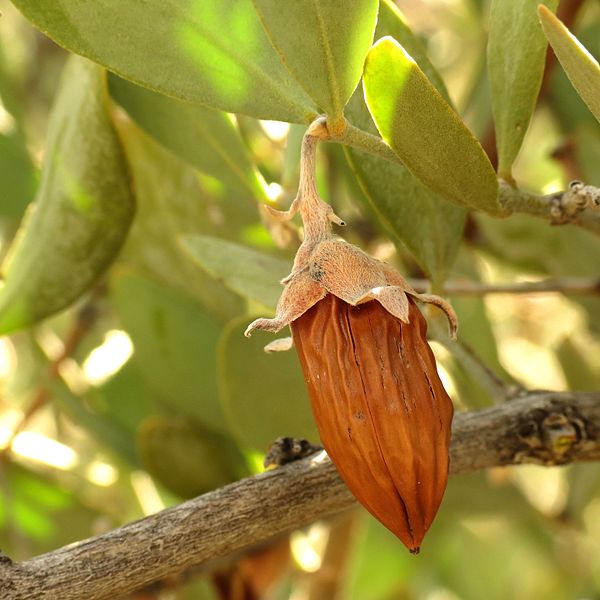
Jojoba is a hardy evergreen desert shrub native to the Sonoran Desert of Arizona, California, and northwestern Mexico. Renowned for its remarkable drought tolerance and valuable oil-rich seeds, Jojoba has become one of the most important commercial desert crops in the world.
The plant develops attractive gray-green foliage, a naturally rounded growth habit, and impressive longevity. Under favorable conditions, mature plants can remain productive for many decades while thriving on minimal water.
Today, Jojoba is cultivated worldwide for its unique seed oil, which is actually a liquid wax highly prized in cosmetics, skin care products, pharmaceuticals, lubricants, and specialty industrial applications.
Plant Characteristics- Botanical Name: Simmondsia chinensis
- Common Names: Jojoba, Goat Nut, Deer Nut, Pignut
- Plant Type: Evergreen desert shrub
- USDA Zones: 8-11
- Height: 5-15 feet
- Spread: 5-12 feet
- Sun Requirements: Full sun
- Flower Color: Small yellow-green flowers
- Bloom Time: Spring
- Fruit: Acorn-like capsules containing oil-rich seeds
Jojoba seeds contain exceptionally high levels of liquid wax esters, making them one of the most valuable natural oil crops in cultivation.
- Cosmetic products
- Skin care formulations
- Hair care products
- Lip balms
- Moisturizers
- Industrial lubricants
- Specialty waxes
- Sustainable crop production
Jojoba oil closely resembles natural skin oils, helping explain its popularity in personal care products.
Important NoteJojoba plants are usually dioecious. Male and female flowers occur on separate plants, so both genders are typically required for reliable seed production.
Germination Instructions- Soak seeds in warm water for 12-24 hours.
- Sow approximately 1 inch deep in a well-drained growing medium.
- Maintain temperatures between 70-90°F.
- Provide bright light.
- Keep soil lightly moist but never waterlogged.
- Germination usually occurs within 1-4 weeks.
- Provide excellent drainage from the start.
- Transplant carefully once seedlings are established.
Jojoba thrives in full sun and sharply drained soils. It is exceptionally adapted to hot, arid climates and can survive prolonged drought once established.
The plant develops a deep root system capable of accessing moisture far below the soil surface. Mature shrubs often require little supplemental irrigation.
Jojoba tolerates heat, wind, poor soils, and alkaline conditions that challenge many other crops.
Container GrowingJojoba adapts surprisingly well to large containers when provided excellent drainage.
- Use deep containers.
- Choose fast-draining cactus or succulent soil.
- Provide full sun exposure.
- Avoid overwatering.
- Allow soil to dry between waterings.
- Protect from prolonged freezing temperatures.
Container-grown plants make attractive drought-tolerant patio specimens.
Pollinator ValueAlthough the flowers are small and not particularly showy, they support native pollinators and beneficial insects within desert ecosystems.
Wind pollination also plays a significant role in seed production.
Wildlife ValueThe seeds are consumed by birds, rodents, deer, and other desert wildlife. The dense evergreen foliage provides shelter and nesting habitat in harsh desert environments.
Historically, many desert animals depended upon Jojoba as a valuable food resource.
Historical and Cultural SignificanceNative peoples of the Sonoran Desert utilized Jojoba for centuries. The seeds were roasted, ground, and used for food, while the oil was applied to skin and hair and utilized for medicinal purposes.
During the twentieth century, interest in Jojoba expanded dramatically when researchers discovered its oil could serve as a sustainable replacement for sperm whale oil, which had previously been used in cosmetics and industrial applications.
This discovery helped launch a worldwide Jojoba industry.
Interesting Botanical Facts- Jojoba is the only species in its botanical family.
- Its "oil" is actually a liquid wax.
- Plants may remain productive for over 100 years.
- The species evolved in one of the harshest deserts in North America.
- Jojoba is among the most drought-tolerant commercial crops in the world.
Jojoba may be one of the greatest success stories in modern sustainable agriculture. What was once a little-known desert shrub became a globally important crop because of its extraordinary seed oil. Remarkably, Jojoba accomplishes this while using far less water than many traditional crops. For gardeners interested in drought-tolerant plants, desert species, sustainable agriculture, or unusual economic crops, Jojoba represents a fascinating blend of beauty, resilience, and utility.
Its attractive evergreen foliage and exceptional longevity make it equally valuable as an ornamental landscape plant.
Additional Seedman NoteOne of the most fascinating chapters in Jojoba history occurred during the 1970s. As international protection of whales increased, industries that depended upon sperm whale oil urgently needed a replacement. Scientists discovered that Jojoba's liquid wax was remarkably similar in many ways, leading to a surge of interest in cultivation. As a result, this humble desert shrub helped reduce pressure on whale populations while creating an entirely new agricultural industry—an extraordinary achievement for a plant native to some of North America's driest deserts.
For over a thousand more unique seed varieties, all in stock and ready to ship, visit our Seed Catalog Index Page.

Contact Us | Privacy Policy | About Us
Serving gardeners since 1992
State of Mississippi Seedmen's Permit #C-391, Ohio 90152, Minnesota 20086777