
Kiwi Fruit Seeds
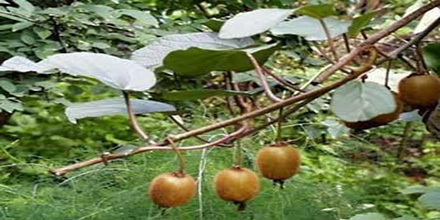
Kiwi Fruit is one of the world's most popular exotic fruits, prized for its sweet-tart flavor, vibrant emerald-green flesh, and exceptional nutritional value. Native to China and later popularized in New Zealand, this vigorous climbing vine produces the familiar fuzzy brown fruits found in grocery stores worldwide. With proper support and care, kiwi vines can become long-lived, highly productive plants that provide abundant harvests for decades.
In spring, kiwi vines are adorned with fragrant creamy-white flowers that attract pollinators and add ornamental beauty to the landscape. By late summer and autumn, clusters of delicious fruits develop, packed with vitamin C, antioxidants, potassium, and dietary fiber. The unique tropical flavor is often described as a blend of strawberry, melon, banana, and citrus.
Kiwi vines are excellent choices for arbors, pergolas, fences, trellises, and edible landscapes. Their large, lush leaves create dense shade during the growing season while producing impressive crops of nutritious fruit.
Uses- Fresh eating.
- Fruit salads and desserts.
- Smoothies and juices.
- Jams, jellies, and preserves.
- Baking and pastries.
- Dried fruit snacks.
- Garnishes and decorative fruit platters.
- Edible landscaping.
- Place seeds in a moist paper towel or moist seed-starting mix.
- Seal inside a plastic bag and refrigerate for 60-90 days at 35-40°F (2-4°C).
- After cold stratification, sow seeds on the surface of sterile seed-starting mix.
- Press lightly into the soil but do not bury deeply.
- Maintain temperatures between 70-75°F (21-24°C).
- Keep the soil evenly moist but never waterlogged.
- Provide bright indirect light.
- Germination typically occurs in 2-8 weeks but may take longer.
- Botanical Name: Actinidia chinensis
- Plant Type: Deciduous fruiting vine
- USDA Zones: 7-9
- Sun Exposure: Full sun to partial shade
- Soil: Fertile, well-drained, slightly acidic soil
- Water: Consistent moisture for best fruit production
- Vine Length: 15-25 feet or more
- Fruit Size: Typically 2-3 inches long
- Harvest Time: Late summer through autumn
Kiwi vines require sturdy support structures such as trellises, pergolas, or arbors. Plants are generally dioecious, meaning separate male and female plants are needed for reliable fruit production. Seed-grown plants will produce a mix of male and female vines, making multiple seedlings desirable.
Special Features- Produces the familiar commercial kiwi fruit.
- Excellent source of vitamin C and antioxidants.
- Long-lived and highly productive.
- Attractive ornamental vine.
- Fragrant spring flowers.
- Excellent for vertical gardening.
- Suitable for edible landscapes.
- Provides shade when grown over arbors and pergolas.
Kiwi fruit is considered a nutritional powerhouse, containing more vitamin C per serving than many citrus fruits. It is also rich in potassium, vitamin E, vitamin K, folate, antioxidants, and dietary fiber. Regular consumption is often associated with digestive health, immune support, and overall wellness.
Kiwi Fruit (Actinidia chinensis) combines ornamental beauty, vigorous growth, and delicious nutrient-rich fruit into one remarkable plant. Whether grown for its attractive foliage, fragrant flowers, or abundant harvests, this classic fruiting vine remains a favorite among gardeners and fruit enthusiasts worldwide.
Please note: seed-grown kiwis will produce both male and female plants and that several plants should be grown to ensure future pollination and fruit production.
For additional growing details, see our Kiwi Fruit Seeds AI fact sheet.
For over a thousand more unique seed varieties, all in stock and ready to ship, visit our Seed Catalog Index Page .

Contact Us | Privacy Policy | About Us
Serving gardeners since 1992
State of Mississippi Seedmen's Permit #C-391, Ohio 90152, Minnesota 20086777