
Macadamia Nut "Beaumont" Seeds
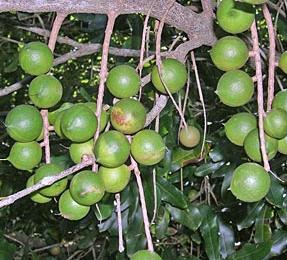
Macadamia 'Beaumont' is one of the most widely grown and productive macadamia hybrids in the world. A cross between Macadamia integrifolia and Macadamia tetraphylla, this attractive evergreen tree combines excellent nut production, vigorous growth, ornamental beauty, and adaptability. The tree produces large clusters of creamy-white flowers followed by highly prized nuts renowned for their rich, buttery flavor and exceptional quality.
Often considered one of the finest gourmet nuts available, macadamias command premium prices worldwide and are a favorite among home orchardists in warm climates. In addition to its edible harvest, Beaumont Macadamia serves as an attractive landscape specimen with glossy evergreen foliage and graceful growth habit.
Plant Characteristics- Botanical Name: Macadamia integrifolia × Macadamia tetraphylla
- Cultivar: Beaumont
- Common Names: Beaumont Macadamia, Hybrid Macadamia Nut
- Plant Type: Evergreen nut tree
- USDA Zones: 9-11
- Height: 20-40 feet
- Spread: 15-30 feet
- Sun Requirements: Full sun
- Flower Color: Creamy white to pale pink
- Bloom Time: Spring
- Nut Harvest: Fall through winter
Macadamia nuts are famous for their smooth texture, rich flavor, and exceptionally high-quality edible oil. The nuts contain healthy monounsaturated fats and are widely regarded as one of the most luxurious tree nuts available.
Popular uses include:
- Fresh roasted nuts
- Baking and desserts
- Cookies and candies
- Ice cream toppings
- Trail mixes
- Nut butters
- Chocolate confections
- Gourmet cooking
The creamy flavor and satisfying crunch have made macadamias a favorite ingredient in both sweet and savory dishes.
Germination Instructions- Use fresh seed whenever possible.
- Soak seeds in warm water for 24-48 hours.
- Plant in deep pots containing a well-drained growing mix.
- Sow seeds approximately 1 inch deep.
- Maintain temperatures between 75-85°F.
- Keep soil consistently moist but not waterlogged.
- Germination generally occurs within 4-12 weeks.
- Transplant carefully once seedlings are well established.
Fresh seed germinates far more reliably than older stored seed.
Growing InformationMacadamia trees thrive in warm climates with mild winters. They prefer fertile, well-drained soils and regular moisture during establishment. Once mature, trees exhibit moderate drought tolerance but perform best with supplemental watering during dry periods.
Trees typically begin bearing within 5-8 years from seed, with productivity increasing substantially as they mature. Mature specimens may remain productive for many decades.
Protection from severe frost is recommended, particularly during the early years of growth.
Container GrowingYoung Macadamia trees can be successfully grown in containers for several years.
- Use large containers with excellent drainage.
- Choose rich, well-drained potting soil.
- Provide full sun exposure.
- Water regularly during active growth.
- Prune lightly to maintain shape.
- Move indoors or protect during freezing weather.
Long-term container culture is possible but large harvests generally require planting in the ground.
Pollinator ValueThe abundant flower clusters attract honeybees, native bees, butterflies, and numerous beneficial insects. During bloom, the trees can become alive with pollinator activity as insects visit the nectar-rich flowers.
Wildlife ValueThe dense evergreen canopy provides nesting habitat and shelter for birds. Pollinators benefit greatly from the extended flowering period, while mature trees contribute valuable structure to wildlife-friendly landscapes.
Historical and Cultural SignificanceMacadamia trees are native to eastern Australia, where Indigenous Australians harvested and consumed the nuts long before European settlement. The genus was named after Scottish-Australian scientist John Macadam in the nineteenth century.
Commercial cultivation later expanded to Hawaii, South Africa, Australia, and numerous tropical regions worldwide. Today, macadamia nuts rank among the most valuable tree nuts in international markets.
The Beaumont hybrid became especially popular because of its vigor, productivity, and adaptability, making it a favorite among commercial growers and home orchardists alike.
Interesting Botanical Facts- Macadamia nuts have one of the hardest shells found in the plant kingdom.
- Special cracking equipment is often required to open mature nuts.
- The trees belong to the ancient Protea family, which also includes many unusual Australian plants.
- Macadamias are among the highest-fat nuts, contributing to their rich flavor and texture.
- Well-maintained trees can remain productive for fifty years or more.
Many gardeners are surprised to learn that the delicious macadamia nuts sold in gourmet shops originate from remarkably beautiful flowering trees. During bloom, mature Beaumont trees produce cascading sprays of creamy blossoms that rival many ornamental landscape plants. Combined with glossy evergreen foliage, long lifespan, and premium nut production, Beaumont Macadamia offers the rare combination of ornamental beauty and gourmet harvest. A mature specimen can become both a centerpiece tree and a family heirloom that produces nuts for generations.
For additional growing details, see our Macadamia Nut "Beaumont" Seeds AI fact sheet.
For over a thousand more unique seed varieties, all in stock and ready to ship, visit our Seed Catalog Index Page .

Contact Us | Privacy Policy | About Us
Serving gardeners since 1992
State of Mississippi Seedmen's Permit #C-391, Ohio 90152, Minnesota 20086777