
Medlar Fruit Seeds
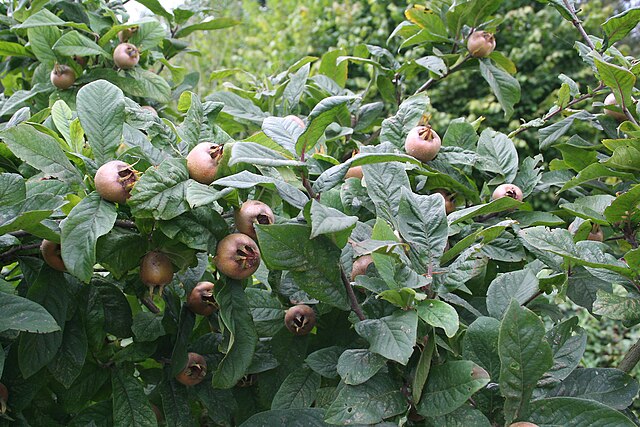

Medlar is one of the oldest cultivated fruit trees in the Western world, grown for over 2,000 years and treasured by the ancient Greeks, Romans, and medieval Europeans. This small ornamental tree produces unusual russet-brown fruits that resemble a cross between a small apple and a rose hip. Unlike most fruits, Medlars are traditionally harvested in autumn and allowed to soften through a process known as bletting, during which the flesh develops a rich, sweet flavor often compared to applesauce, dates, cinnamon, spiced pear, and caramel.
Today Medlar remains a prized heirloom fruit among collectors, historical gardeners, and those seeking unusual edible plants with fascinating stories and exceptional ornamental value.
Plant Characteristics- Botanical Name: Mespilus germanica
- Common Names: Medlar, Common Medlar
- Plant Type: Deciduous fruit tree
- USDA Zones: 5-8
- Height: 10-20 feet
- Spread: 10-15 feet
- Sun Requirements: Full sun to partial shade
- Flower Color: White
- Bloom Time: Late spring
- Fruit Color: Brown to russet-brown
Freshly harvested Medlar fruits are firm and highly astringent. Traditionally they are stored for several weeks after harvest until they soften and the flesh becomes sweet, rich, and aromatic. This ripening process, called bletting, transforms the fruit into one of the most distinctive flavors in the fruit world.
Popular uses include:
- Fresh eating after bletting
- Jams and preserves
- Jellies
- Fruit butter
- Dessert sauces
- Wine making
- Traditional European recipes
- Heritage orchards
Many enthusiasts compare properly ripened Medlar to spiced applesauce mixed with dates and caramel.
Important NoteMedlar fruits are traditionally not eaten immediately after harvest. The fruits are allowed to soften naturally following exposure to cool temperatures. This process, known as bletting, converts the firm, astringent flesh into a soft, sweet, flavorful delicacy. The unusual ripening process is one of the reasons Medlar became famous throughout medieval Europe.
Germination Instructions- Clean seeds thoroughly after removing from ripe fruit.
- Soak seeds in water for 24 hours.
- Cold stratify for 90-120 days at 34-40°F.
- Sow approximately 1/2 inch deep in a well-drained seed-starting mix.
- Maintain temperatures of 65-75°F after stratification.
- Keep soil evenly moist.
- Germination may occur over several weeks or months.
- Transplant seedlings once well established.
Medlar is a hardy and adaptable tree that thrives in full sun and well-drained soil. It tolerates a variety of soil types and generally requires less maintenance than many modern fruit trees.
The tree develops an attractive rounded form and produces large white flowers followed by distinctive fruits. Autumn foliage often turns attractive shades of yellow, orange, and bronze.
Medlar is generally disease resistant and well suited to home orchards and edible landscapes.
Container GrowingYoung Medlar trees can be grown in large containers for several years.
- Use large containers with good drainage.
- Provide full sun exposure.
- Water regularly during establishment.
- Prune lightly to maintain shape.
- Repot as necessary.
Container-grown specimens are excellent choices for collectors and gardeners with limited space.
Pollinator ValueThe large white flowers attract honeybees, native bees, hoverflies, and numerous beneficial pollinating insects. Blooming later than many fruit trees, Medlar provides valuable nectar resources during late spring.
Wildlife ValueBirds and small mammals may feed on fallen fruits, while the tree itself provides cover and nesting opportunities. The flowers also support beneficial pollinators throughout the growing season.
Historical and Cultural SignificanceMedlar was cultivated by the ancient Greeks and Romans and became one of the most important fruits of medieval Europe. Before modern refrigeration and widespread citrus imports, Medlar provided a valuable source of fruit during the winter months.
The fruit appears in numerous historical writings and was well known throughout England, France, Germany, and other European countries. Shakespeare even referenced Medlar in several of his works.
Although its popularity declined during the twentieth century, Medlar has experienced a revival among heirloom fruit enthusiasts and heritage orchard growers.
Interesting Botanical Facts- Medlar belongs to the rose family and is related to apples, pears, quinces, and hawthorns.
- It has been cultivated for over two millennia.
- The fruit becomes edible only after the unique bletting process.
- Shakespeare mentioned Medlar in several plays.
- Many historic European gardens once considered Medlar an essential fruit tree.
Few fruits possess a story as unusual as Medlar. Imagine explaining to a modern grocery shopper that the fruit is best eaten only after it becomes soft and brown! Yet for centuries this was one of Europe's most prized winter delicacies. Gardeners who grow Medlar today are not simply planting a fruit tree—they are preserving a living piece of agricultural history that connects modern orchards to ancient Rome, medieval monasteries, and Shakespearean England. For lovers of rare fruits and historical plants, Medlar remains one of the most fascinating fruits that can be grown in the home orchard.
For over a thousand more unique seed varieties, all in stock and ready to ship, visit our Seed Catalog Index Page .

Contact Us | Privacy Policy | About Us
Serving gardeners since 1992
State of Mississippi Seedmen's Permit #C-391, Ohio 90152, Minnesota 20086777