
Mockernut Hickory Seeds
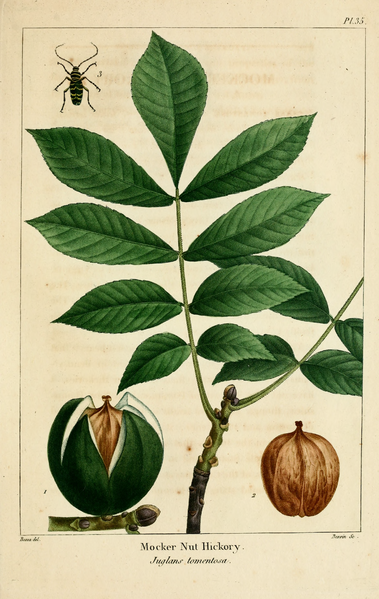
Mockernut Hickory is a strong, long-lived native North American hardwood tree valued for its edible nuts, durable wood, golden fall color, and exceptional wildlife benefits. Native to much of the eastern United States, Carya tomentosa is one of the most widespread hickories and is especially admired for its rugged beauty, deep root system, and ability to support a wide range of birds and animals.
The name "Mockernut" refers to the thick-shelled nuts, which often contain a relatively small but sweet and flavorful kernel. Though the nuts require effort to crack, the rich taste is well worth it and is enjoyed by both people and wildlife. Squirrels, chipmunks, deer, wild turkeys, woodpeckers, foxes, and many other animals rely on hickory nuts as an important seasonal food source.
Mockernut Hickory is also an impressive landscape tree. It develops a tall, stately form, attractive compound leaves, and beautiful yellow to golden-bronze fall foliage. Its strong wood has historically been valued for tool handles, fuel, smoking meats, and other uses requiring toughness and strength.
Uses- Edible nut production.
- Wildlife food source.
- Native shade tree.
- Reforestation and woodland restoration.
- Homestead and conservation plantings.
- Fall color specimen tree.
- Hardwood timber.
- Traditional wood for smoking meats.
- Remove outer husks from mature nuts if still attached.
- Do not allow nuts to dry out completely.
- Mix nuts with moist peat moss, sand, or vermiculite.
- Cold stratify for 90-120 days at 34-40°F (1-4°C).
- Plant nuts 1 to 1½ inches deep in deep pots or directly outdoors.
- Keep soil evenly moist during germination.
- Germination usually occurs in spring after cold stratification.
- Seedlings develop a strong taproot early and should be transplanted carefully.
- Botanical Name: Carya tomentosa
- Plant Type: Deciduous nut tree
- USDA Zones: 4-9
- Sun Exposure: Full sun to light shade
- Soil: Deep, fertile, well-drained soil
- Water: Moderate moisture once established
- Height: 50-80 feet or more
- Spread: 40-60 feet
- Growth Rate: Slow to moderate
- Fall Color: Yellow to golden-bronze
Mockernut Hickory grows best in deep soils where its taproot can develop fully. Once established, it is durable, drought tolerant, and capable of thriving for generations. Like most hickories, it is best planted young or started directly where it will grow, since older seedlings can be difficult to transplant.
Wildlife ValueMockernut Hickory is an outstanding wildlife tree. The nuts are eaten by squirrels, chipmunks, deer, wild turkeys, blue jays, woodpeckers, foxes, raccoons, and many other animals. The tree also supports insects that feed native birds, making it valuable far beyond its nut production alone.
Special Features- Native North American hardwood.
- Produces sweet edible nuts.
- Excellent food source for wildlife.
- Beautiful golden fall color.
- Strong, durable wood.
- Long-lived shade tree.
- Drought tolerant once established.
- Excellent for conservation plantings.
Mockernut Hickory seedlings form a strong taproot at an early stage, so deep containers are recommended when starting from seed. Direct sowing in a protected outdoor location can also work well when conditions are suitable. Because hickories grow slowly at first, patience is important, but the result is a strong, long-lived native tree that can provide food and habitat for generations.
Although Mockernut Hickory nuts are edible and flavorful, they have thick shells and smaller kernels than some other hickories. This makes them especially valuable for wildlife plantings, naturalized areas, native landscapes, and long-term conservation projects.
Mockernut Hickory (Carya tomentosa) is a durable, beautiful, and ecologically valuable native tree. With its edible nuts, golden fall foliage, strong wood, and outstanding wildlife benefits, it is an excellent choice for landowners, native plant gardeners, and anyone interested in planting trees that will benefit future generations.
For over a thousand more unique seed varieties, all in stock and ready to ship, visit our Seed Catalog Index Page .

Contact Us | Privacy Policy | About Us
Serving gardeners since 1992
State of Mississippi Seedmen's Permit #C-391, Ohio 90152, Minnesota 20086777