
Tatarica White Mulberry Seeds
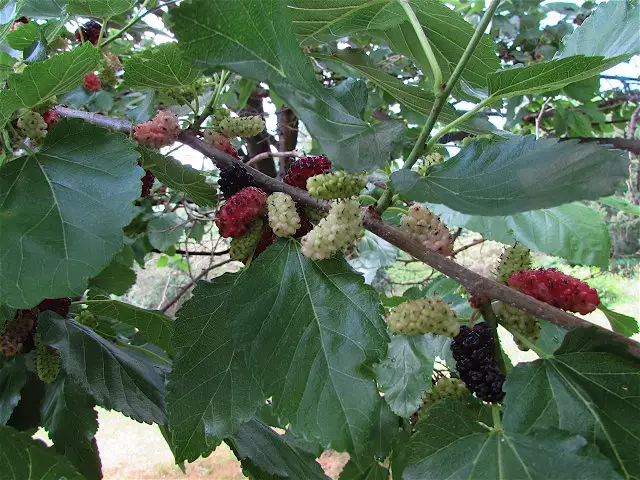
Tatarica White Mulberry is a hardy and productive fruit tree prized for its sweet white berries, rapid growth, adaptability, and outstanding wildlife value. Believed to originate from regions of Central Asia and areas surrounding the historic Tatar territories, this vigorous mulberry has earned a reputation for thriving under a wide range of growing conditions while producing abundant crops of delicious fruit.
The attractive tree develops a broad shade canopy and bears clusters of creamy white berries that ripen to a honey-sweet flavor. Because the fruits lack the dark pigments found in black mulberries, they do not stain hands, clothing, sidewalks, or patios as heavily, making them especially desirable for home landscapes.
Plant Characteristics- Botanical Name: Morus tatarica White
- Common Names: Tatarica White Mulberry, White Mulberry, Tatar Mulberry
- Plant Type: Deciduous fruit tree
- USDA Zones: 4-9
- Height: 20-40 feet
- Spread: 20-35 feet
- Sun Requirements: Full sun
- Flower Color: Greenish catkins
- Bloom Time: Spring
- Fruit Color: White to creamy ivory, occasionally blushed pink
The elongated fruits ripen from pale green to creamy white and develop exceptional sweetness when fully mature. The flavor is often described as honey-like with hints of vanilla, melon, and fig.
- Fresh eating
- Fruit salads
- Smoothies
- Jams and preserves
- Desserts
- Dried fruit
- Wine making
- Wildlife food source
Unlike many commercial fruits, mulberries do not continue ripening after harvest, so they are best enjoyed when fully ripe on the tree.
Germination Instructions- Clean seeds thoroughly after removing them from ripe fruit.
- Soak seeds in water for 24 hours.
- Cold stratify for 60-90 days at 34-40°F.
- Sow seeds approximately 1/8 to 1/4 inch deep.
- Maintain temperatures between 70-80°F.
- Keep soil evenly moist but not soggy.
- Germination generally occurs within several weeks following stratification.
- Transplant seedlings when large enough to handle.
Tatarica White Mulberry is remarkably adaptable and grows well in a wide variety of soils. It tolerates drought, wind, heat, urban conditions, and cold winters once established.
Fast-growing and long-lived, the tree develops into an attractive shade specimen while producing heavy fruit crops. Annual pruning may be used to control size and improve harvesting access.
Mature trees often produce fruit for decades with minimal maintenance.
Container GrowingYoung trees may be grown in large containers for several years.
- Use large containers with excellent drainage.
- Provide full sun exposure.
- Water regularly during active growth.
- Prune annually to maintain manageable size.
- Repot as needed.
Long-term fruit production is generally best when trees are planted in the ground.
Pollinator ValueThe flowers provide seasonal resources for beneficial insects, while the tree contributes to the overall diversity of pollinator-friendly landscapes. Mulberries flower relatively early and become part of the spring food web.
Wildlife ValueFew fruit trees rival mulberries for wildlife attraction. Birds eagerly consume the ripe fruits, often arriving in large numbers during harvest season. The dense canopy also provides nesting sites, shelter, and shade for numerous species.
The tree is particularly valuable in wildlife gardens, homesteads, and permaculture plantings.
Historical and Cultural SignificanceWhite Mulberries have been cultivated for thousands of years and are deeply connected to the history of silk production. The leaves serve as the preferred food source for silkworms, making mulberry cultivation essential to the development of the silk trade that connected Asia, Europe, and the Middle East.
Tatarica forms became valued for their hardiness, adaptability, and ability to thrive in climates that challenged many other fruit trees.
Interesting Botanical Facts- White Mulberry leaves are the primary food source of silkworms.
- Some mulberry trees can remain productive for over 100 years.
- The fruits are actually multiple fruits formed from many tiny flowers.
- White mulberries are often sweeter than darker mulberry species.
- The species has been cultivated for thousands of years.
Many gardeners first choose Tatarica White Mulberry for its fruit but quickly discover that it becomes one of the most useful trees in the landscape. It provides shade, wildlife habitat, historical interest, and abundant harvests of sweet berries. One of its greatest advantages is that the pale fruits generally create far fewer staining issues than black mulberries, making it an excellent choice for planting near patios, walkways, and home landscapes. With roots reaching back to the ancient Silk Road, this remarkable tree combines history, beauty, and productivity in a single package.
For additional growing details, see our Tatarica White Mulberry Seeds AI fact sheet.
For over a thousand more unique seed varieties, all in stock and ready to ship, visit our Seed Catalog Index Page .

Contact Us | Privacy Policy | About Us
Serving gardeners since 1992
State of Mississippi Seedmen's Permit #C-391, Ohio 90152, Minnesota 20086777