
Myrobalan Plum Seeds
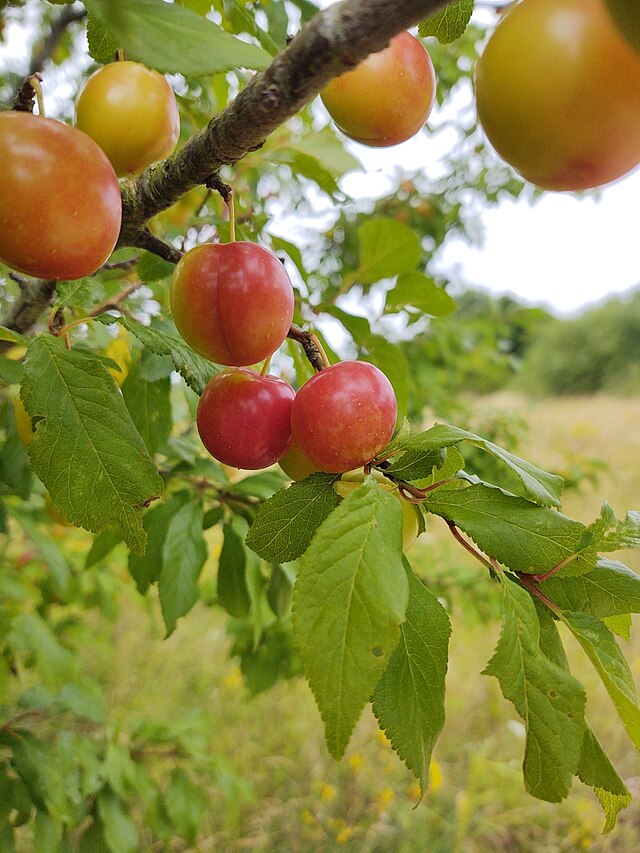
Myrobalan Plum, sometimes called Cherry Plum, is a beautiful and highly adaptable fruit tree native to southeastern Europe and western Asia. Valued for its attractive spring blossoms, colorful fruits, and exceptional hardiness, it has become one of the most widely planted plum species in both ornamental landscapes and fruit-growing regions.
In early spring, the tree is often covered with masses of white or pale pink flowers before the leaves emerge. By summer, these blossoms mature into small round fruits ranging in color from yellow and orange to deep red and purple, depending upon the strain.
Its beauty, productivity, and importance in fruit breeding have made Myrobalan Plum one of the most influential plum species in cultivation.
Plant Characteristics- Botanical Name: Prunus cerasifera
- Common Names: Myrobalan Plum, Cherry Plum
- Plant Type: Deciduous fruit tree
- USDA Zones: 4-8
- Height: 15-30 feet
- Spread: 15-25 feet
- Sun Requirements: Full sun
- Flower Color: White to pale pink
- Bloom Time: Early spring
- Fruit Color: Yellow, orange, red, or purple
The fruits are small, juicy plums with a sweet-tart flavor. Flavor varies considerably among seedlings, with some producing excellent dessert-quality fruits.
- Fresh eating
- Jams and jellies
- Fruit preserves
- Sauces
- Baking
- Wildlife food source
- Homemade wines
- Ornamental landscapes
The fruits ripen during summer and often appear in abundance on mature trees.
Important NoteMyrobalan Plum is one of the most commonly used plum rootstocks in commercial horticulture. Its vigor, adaptability, and compatibility with many plum varieties have made it invaluable to orchard production.
Germination Instructions- Remove seeds from ripe fruits.
- Clean thoroughly to remove pulp.
- Cold stratify for 90-120 days at 34-40°F.
- Sow approximately 1 inch deep.
- Maintain even moisture.
- Provide temperatures of 65-75°F after stratification.
- Germination usually occurs during spring warming.
- Transplant seedlings once well established.
Myrobalan Plum is highly adaptable and tolerates a wide range of soils and growing conditions. It performs best in full sun with well-drained soil but can tolerate less-than-ideal conditions better than many fruit trees.
Trees grow rapidly and often begin flowering at a relatively young age.
Regular pruning helps maintain shape and improve fruit production.
Container GrowingYoung trees may be grown in large containers during establishment.
- Use deep containers with good drainage.
- Provide full sun exposure.
- Water regularly.
- Fertilize during active growth.
- Transplant before roots become crowded.
Permanent landscape planting is recommended for mature trees.
Pollinator ValueThe profusion of early spring flowers attracts honeybees, native bees, butterflies, and other beneficial insects. In many regions, it serves as one of the first significant nectar sources of the growing season.
Its blossoms are especially valuable for awakening pollinator populations after winter.
Wildlife ValueThe fruits are readily consumed by birds, deer, foxes, raccoons, and numerous other wildlife species. The tree also provides nesting sites and seasonal shelter.
Its abundant fruit production makes it particularly useful in wildlife plantings.
Historical and Cultural SignificanceMyrobalan Plum has been cultivated for centuries throughout Europe, western Asia, and the Middle East. Over time, it became naturalized in many regions and developed a reputation as both an ornamental tree and a dependable fruit producer.
During the development of modern orchards, the species gained tremendous importance as a rootstock because of its vigor and adaptability.
Today, its genetics continue to influence plum breeding and orchard production worldwide.
Interesting Botanical Facts- Many ornamental purple-leaf plums originated from Myrobalan Plum selections.
- The species flowers before leaf emergence.
- Fruit color varies widely among seedlings.
- It is one of the most important plum rootstocks in the world.
- Trees often naturalize and spread through seed.
Myrobalan Plum is one of those rare fruit trees that succeeds on multiple levels. It is beautiful enough for ornamental landscapes, productive enough for fruit gardens, valuable enough for wildlife plantings, and important enough to have shaped modern plum cultivation. Whether grown for its flowers, fruits, or historical significance, it remains one of the most versatile members of the plum family.
The early spring display of blossoms is often so abundant that trees appear covered in snow before the leaves emerge.
Additional Seedman NoteOne of the most fascinating aspects of Myrobalan Plum is that countless people unknowingly encounter it every day. Many ornamental flowering plums planted along streets, parks, and landscapes trace their ancestry back to this species. At the same time, millions of commercial plum trees rely on Myrobalan-derived rootstocks beneath the soil. Few fruit trees have contributed so much to both ornamental horticulture and commercial fruit production.
For additional growing details, see our Myrobalan Plum Seeds AI fact sheet.
For over a thousand more unique seed varieties, all in stock and ready to ship, visit our Seed Catalog Index Page .

Contact Us | Privacy Policy | About Us
Serving gardeners since 1992
State of Mississippi Seedmen's Permit #C-391, Ohio 90152, Minnesota 20086777