
Nannyberry Seeds
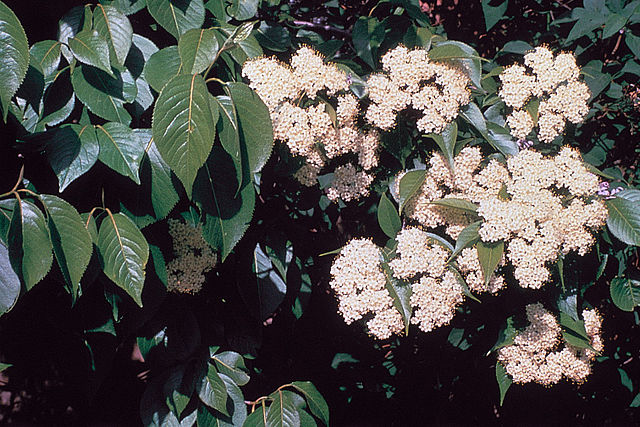
Nannyberry is a large deciduous shrub or small tree native to eastern and central North America. Known for its fragrant white flower clusters, attractive blue-black fruits, brilliant autumn foliage, and exceptional adaptability, it is considered one of the most valuable native Viburnums for both ornamental and edible use.
In spring, the plant becomes covered with broad clusters of creamy white flowers that attract bees and butterflies. By late summer and autumn, these flowers mature into hanging clusters of dark blue-black fruits that persist well into the season and are eagerly consumed by birds and wildlife.
Its beauty, hardiness, and ecological importance make Nannyberry an outstanding choice for natural landscapes and edible plantings.
Plant Characteristics- Botanical Name: Viburnum lentago
- Common Names: Nannyberry, Sheepberry, Sweet Viburnum
- Plant Type: Deciduous fruiting shrub or small tree
- USDA Zones: 2-8
- Height: 10-20 feet
- Spread: 8-15 feet
- Sun Requirements: Full sun to partial shade
- Flower Color: Creamy white
- Bloom Time: Spring
- Fruit Color: Blue-black with a waxy bloom
The fruits are oval, blue-black drupes that develop a sweet flavor when fully ripe. The flesh is rich and pleasant, often compared to a blend of prune, raisin, and date.
- Fresh eating
- Jams and jellies
- Fruit leather
- Pies and desserts
- Preserves
- Traditional foods
- Wild food harvesting
- Wildlife plantings
The fruits improve significantly in flavor after they soften and fully mature.
Important NoteNannyberries are best harvested when fully ripe and slightly soft. At this stage they develop their richest sweetness and most enjoyable flavor.
Germination Instructions- Clean seeds thoroughly after removing fruit pulp.
- Seeds often require both warm and cold stratification.
- Provide 90 days of warm stratification followed by 90-120 days of cold stratification.
- Sow approximately 1/2 inch deep.
- Maintain even moisture.
- Provide bright light after germination.
- Be patient, as germination may occur over an extended period.
- Transplant seedlings when well established.
Nannyberry is highly adaptable and tolerates a wide range of soil types, including moist sites that challenge many fruiting shrubs. It performs well in both sun and partial shade.
Plants are extremely cold hardy and require little maintenance once established.
The species is particularly useful for naturalized plantings, hedgerows, and wildlife gardens.
Container GrowingContainer culture is practical during the early years.
- Use deep containers with good drainage.
- Maintain regular moisture.
- Provide full sun to light shade.
- Transplant before plants become root bound.
- Protect containers from extreme winter exposure.
Permanent landscape planting is recommended for mature specimens.
Pollinator ValueThe abundant spring flower clusters attract honeybees, native bees, butterflies, hoverflies, and numerous beneficial insects.
Nannyberry is considered an excellent pollinator-support plant in native landscapes.
Wildlife ValueFew native shrubs offer greater wildlife value. The fruits are consumed by songbirds, grouse, turkey, cedar waxwings, thrushes, and many mammals including deer, foxes, raccoons, and squirrels.
The dense branching structure provides nesting sites and protective cover throughout the year.
Historical and Cultural SignificanceNative American tribes harvested Nannyberries for food and utilized various parts of the plant for traditional purposes. Early settlers also gathered the fruits and appreciated the shrub's reliability and hardiness.
Because of its adaptability and usefulness, Nannyberry became a common component of farm hedgerows and rural landscapes throughout much of its native range.
Today it remains one of the most highly recommended native fruiting shrubs for wildlife and conservation plantings.
Interesting Botanical Facts- Nannyberry belongs to the honeysuckle family.
- The fruits often persist into winter if not eaten by wildlife.
- The species is among the most cold-hardy edible native shrubs.
- Fall foliage can develop shades of red, orange, burgundy, and purple.
- Plants can live for many decades.
Nannyberry may be one of North America's most overlooked native fruits. While it lacks the commercial recognition of blueberries or cranberries, it excels in nearly every other category. Beautiful flowers, edible fruits, outstanding wildlife value, brilliant fall color, and remarkable adaptability all combine in a single plant. For gardeners interested in native edible landscaping, Nannyberry is truly a hidden treasure.
Its ability to thrive in cold climates and difficult soils makes it especially valuable for gardeners in regions where many fruit plants struggle.
Additional Seedman NoteOne of the most interesting aspects of Nannyberry is its reputation among early settlers and foragers. Before grocery stores and commercial orchards became widespread, native fruits such as Nannyberry often supplemented family diets. Many old rural communities recognized the shrub as a dependable source of sweet fruit, and some people considered the ripe fruits among the best-tasting native berries available. Even today, experienced foragers often rank Nannyberry surprisingly high among North America's wild edible fruits.
For over a thousand more unique seed varieties, all in stock and ready to ship, visit our Seed Catalog Index Page.

Contact Us | Privacy Policy | About Us
Serving gardeners since 1992
State of Mississippi Seedmen's Permit #C-391, Ohio 90152, Minnesota 20086777