
Naranjilla Fruit Seeds
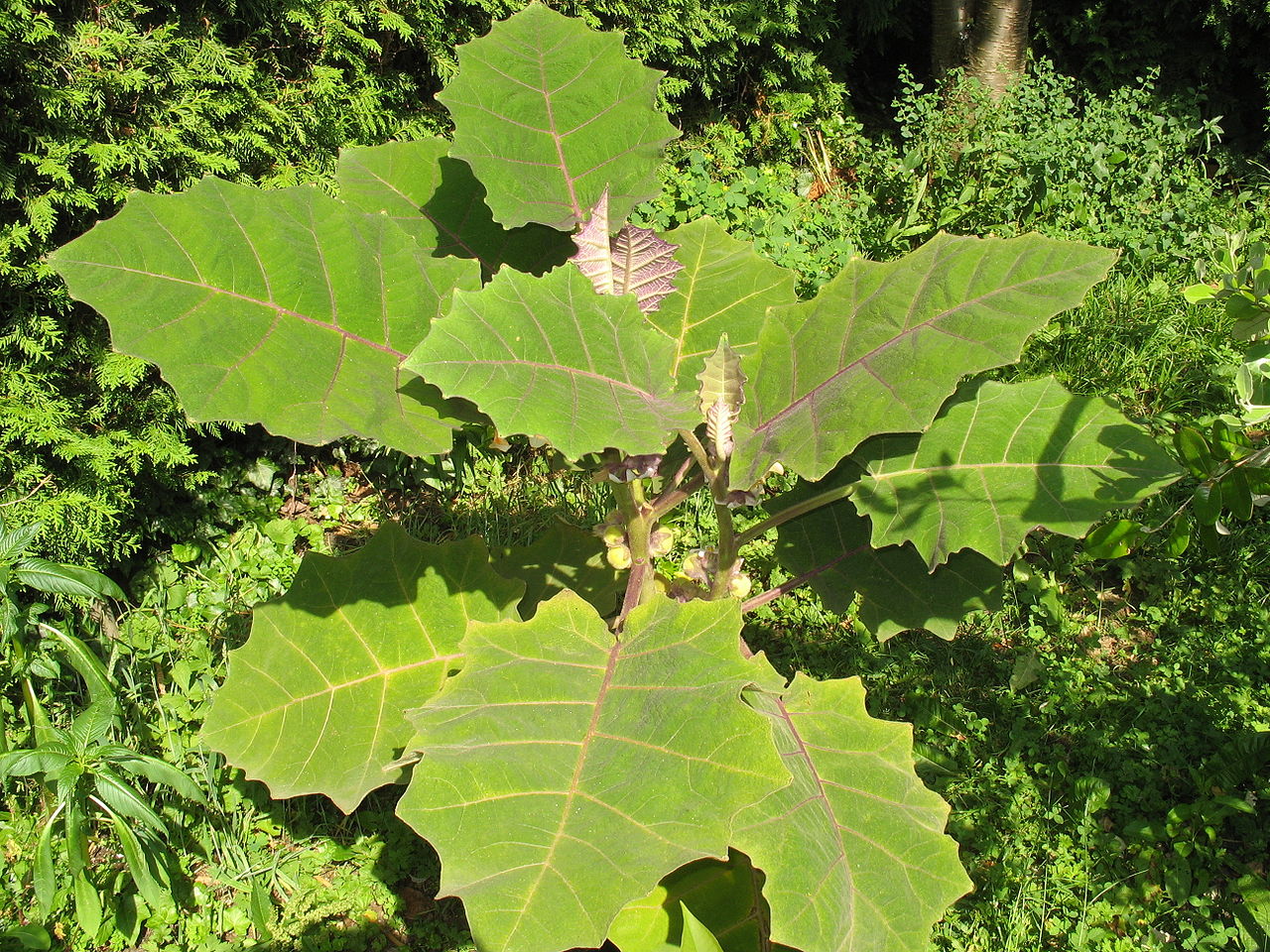
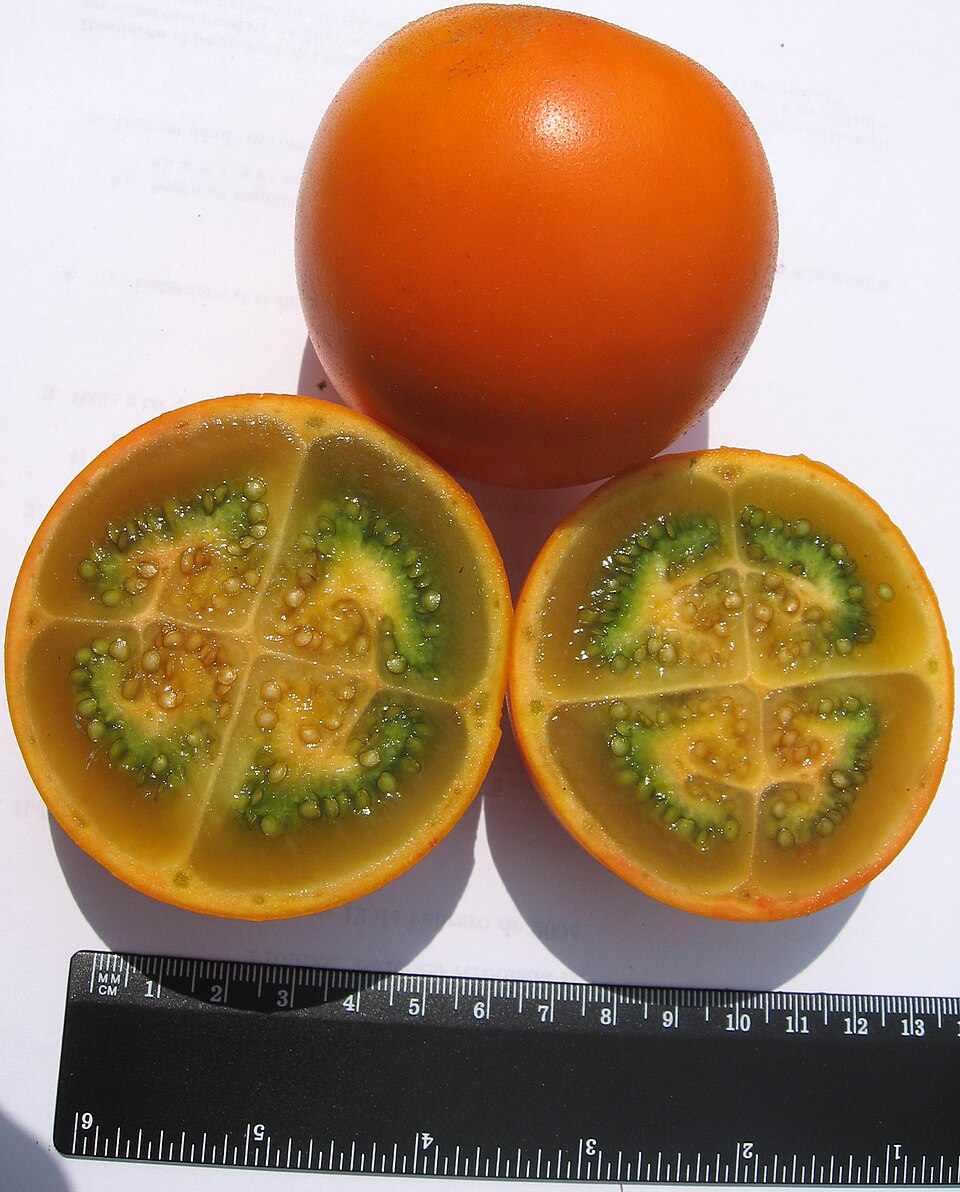
Naranjilla, meaning "Little Orange" in Spanish, is a tropical fruit native to the cloud forests of Ecuador, Colombia, Peru, and surrounding regions of South America. Despite its name and appearance, Naranjilla is not related to citrus but belongs to the same family as tomatoes, potatoes, peppers, eggplants, tamarillos, and pepinos.
The plant is prized for its enormous tropical leaves, attractive purple-tinged flowers, and bright orange fruits filled with emerald-green pulp. The flavor is truly unique and often described as a blend of citrus, pineapple, lime, and melon.
Its striking appearance and unusual fruit have made Naranjilla one of the most sought-after tropical fruits among collectors worldwide.
Plant Characteristics- Botanical Name: Solanum quitoense
- Common Names: Naranjilla, Little Orange, Lulo
- Plant Type: Tropical fruiting shrub
- USDA Zones: 9-11
- Height: 4-8 feet
- Spread: 4-6 feet
- Sun Requirements: Bright light to partial sun
- Flower Color: White to lavender
- Bloom Time: Spring through summer
- Fruit Color: Bright orange when ripe
The fruits are covered with fine fuzz when immature and ripen to smooth bright orange spheres. Inside, the green pulp contains numerous small edible seeds and a wonderfully refreshing sweet-tart flavor.
- Fresh juices
- Smoothies
- Desserts
- Ice cream flavoring
- Fruit sauces
- Cocktails and beverages
- Jams and preserves
- Fresh fruit consumption
In South America, Naranjilla juice is among the most popular fruit beverages and is considered a regional delicacy.
Important NoteNaranjilla prefers cooler tropical conditions rather than extreme heat. It naturally grows in mountain regions and often performs best where temperatures remain moderate.
Germination Instructions- Remove seeds from fully ripe fruits.
- Wash thoroughly to remove pulp.
- Sow on the surface of a sterile growing medium.
- Lightly cover with fine vermiculite or soil.
- Maintain temperatures of 70-80°F.
- Keep evenly moist.
- Provide bright filtered light.
- Germination generally occurs within 2-6 weeks.
Naranjilla grows best in fertile, organic-rich soil with excellent drainage and consistent moisture. Unlike many tropical fruits, it appreciates some protection from intense afternoon sun.
The large leaves create a dramatic tropical appearance and can exceed two feet in length under ideal conditions.
Regular watering and protection from frost are essential for healthy growth.
Container GrowingNaranjilla adapts well to large containers and greenhouse culture.
- Use containers of at least 10-20 gallons.
- Provide rich, well-drained soil.
- Maintain consistent moisture.
- Protect from freezing temperatures.
- Provide bright filtered sunlight.
- Fertilize regularly during active growth.
Container growing is often the preferred method outside tropical regions.
Pollinator ValueThe attractive flowers attract bees and other beneficial pollinators. Plants are generally self-fertile but benefit from insect activity during flowering.
Continuous flowering often supports pollinators over an extended season.
Wildlife ValueThe flowers provide nectar and pollen resources for insects, while the fruits may attract birds and wildlife where plants are grown outdoors.
The large foliage also provides shelter for beneficial garden insects.
Historical and Cultural SignificanceNaranjilla has been cultivated in the Andes for centuries and remains one of the most important traditional fruits in Ecuador and Colombia. The fruit is deeply woven into local cuisine and culture, where fresh juices are sold everywhere from street vendors to fine restaurants.
In Colombia, the fruit is commonly known as "Lulo," while "Naranjilla" is the preferred name in Ecuador and Peru.
Today it remains one of South America's most beloved native fruits.
Interesting Botanical Facts- Naranjilla belongs to the same family as tomatoes and potatoes.
- The fruit pulp is bright green even when fully ripe.
- Some forms develop purple veins and stems.
- The leaves can exceed 24 inches in length.
- The species naturally grows in Andean cloud forests.
If there were an award for the most tropical-looking fruit plant, Naranjilla would be a strong contender. Its enormous leaves instantly create a rainforest effect, while the glowing orange fruits add brilliant color to the landscape. Yet the biggest surprise comes when the fruit is tasted. Most people expect something similar to an orange, only to discover a complex tropical flavor unlike almost anything else. For collectors of rare fruits, Naranjilla remains one of the most exciting species available.
Even before fruiting begins, the dramatic foliage alone makes this plant worthy of a place in tropical gardens and greenhouse collections.
Additional Seedman NoteOne fascinating fact about Naranjilla is that many visitors to Ecuador first encounter it not as a fruit but as a drink. Fresh Naranjilla juice is so popular throughout the Andes that it is often considered the national fruit beverage of Ecuador. Travelers frequently describe their first glass of chilled Naranjilla juice as one of the most memorable flavors they experience in South America, helping explain why this unusual fruit has developed such a devoted following among tropical fruit enthusiasts worldwide.
For additional growing details, see our Naranjilla Fruit Seeds AI fact sheet.
For over a thousand more unique seed varieties, all in stock and ready to ship, visit our Seed Catalog Index Page .

Contact Us | Privacy Policy | About Us
Serving gardeners since 1992
State of Mississippi Seedmen's Permit #C-391, Ohio 90152, Minnesota 20086777