
Paradise Apple Seeds
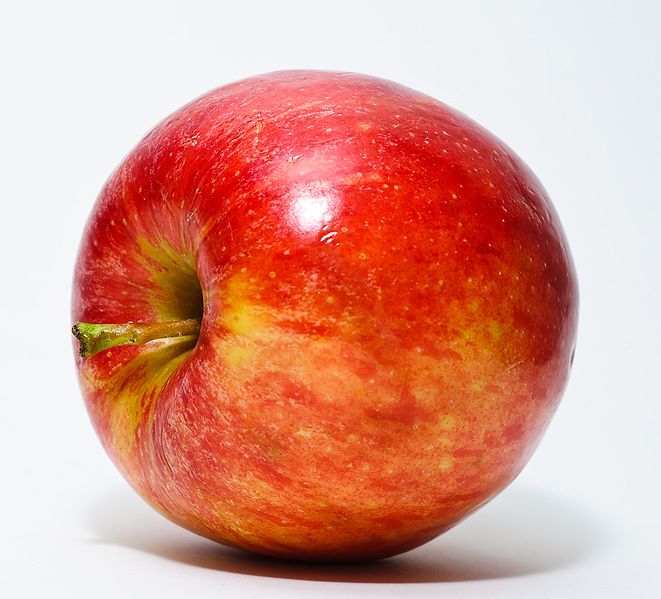
Paradise Apple is a historic form of the cultivated apple that has played an important role in orchard development for centuries. Closely associated with dwarfing apple rootstocks used throughout Europe and later North America, Paradise Apple helped make apple growing more productive by allowing trees to remain compact, easier to harvest, and more suitable for small gardens and intensive orchards.
Like other apples, Paradise Apple produces attractive spring blossoms followed by colorful fruits that have been valued for fresh eating, cooking, cider making, and ornamental beauty. The tree combines practical usefulness with centuries of horticultural history, making it an interesting addition to heritage orchards and edible landscapes.
Plant Characteristics- Botanical Name: Malus pumila
- Common Names: Paradise Apple, Paradise Crab Apple, Dwarf Apple
- Plant Type: Deciduous fruit tree
- USDA Zones: 4-8
- Height: 8-20 feet depending on form and growing conditions
- Spread: 8-15 feet
- Sun Requirements: Full sun
- Flower Color: Pink buds opening to white or pale pink blossoms
- Bloom Time: Spring
- Fruit Color: Red, yellow, or green depending on selection
The fruits resemble small apples and may vary considerably in size, color, and flavor. Historically they have been used both as edible fruit and as breeding stock for orchard development.
Popular uses include:
- Fresh eating
- Apple sauces
- Pies and baked desserts
- Cider production
- Jellies and preserves
- Heritage orchards
- Wildlife plantings
The blossoms are also highly ornamental and provide excellent spring garden interest.
Germination Instructions- Clean seeds from ripe fruit.
- Soak seeds in water for 24 hours.
- Cold stratify for 60-90 days at 34-40°F.
- Sow approximately 1/4 inch deep in seed-starting mix.
- Maintain temperatures of 65-75°F after stratification.
- Keep soil evenly moist.
- Germination usually occurs within 2-8 weeks.
- Transplant seedlings once several true leaves develop.
Paradise Apple grows best in fertile, well-drained soil and full sun. Regular watering during establishment promotes healthy growth, while annual pruning helps maintain structure and productivity.
Like many apple trees, it benefits from good air circulation and may require another apple nearby for optimal pollination and fruit production.
Mature trees can provide decades of beauty and harvests when properly maintained.
Container GrowingParadise Apple's historic association with dwarfing rootstocks makes it especially suitable for smaller growing spaces.
- Use large containers with excellent drainage.
- Provide full sun exposure.
- Water regularly during active growth.
- Feed annually with a balanced fertilizer.
- Prune to maintain shape and size.
Container-grown apple trees are excellent choices for patios, courtyards, and small urban gardens.
Pollinator ValueThe spring blossoms attract honeybees, native bees, butterflies, and numerous beneficial pollinating insects. Apple flowers are among the most important spring nectar sources in many regions.
Wildlife ValueBirds, deer, and small mammals often consume fallen fruit. The tree also provides nesting habitat and seasonal cover for wildlife.
Historical and Cultural SignificanceParadise Apple occupies an important place in horticultural history. For centuries, European orchardists recognized certain apple types for their naturally dwarfing characteristics. These "Paradise" rootstocks eventually became the foundation of modern high-density apple orchards.
Many of today's commercial apple orchards owe their efficiency and productivity to the early development and use of Paradise-type rootstocks that allowed trees to remain compact while producing abundant crops.
The species itself traces its ancestry to the long history of apple cultivation stretching back thousands of years across Europe and Asia.
Interesting Botanical Facts- Paradise Apple played a major role in the development of modern dwarf apple orchards.
- Many modern apple rootstocks trace their heritage to historic Paradise selections.
- Apple blossoms are among the most recognizable spring flowers worldwide.
- The genus Malus contains dozens of wild and cultivated apple species.
- Apple trees have been cultivated by humans for thousands of years.
Few fruit trees have influenced modern agriculture as much as Paradise Apple. While many gardeners focus on the fruit, horticultural historians recognize it for its role in creating compact, productive orchards that revolutionized apple growing. Whether appreciated for its blossoms, fruit, wildlife value, or historical significance, Paradise Apple represents an important chapter in the story of one of the world's most beloved fruits.
For additional growing details, see our Paradise Apple Seeds AI fact sheet.
For over a thousand more unique seed varieties, all in stock and ready to ship, visit our Seed Catalog Index Page .

Contact Us | Privacy Policy | About Us
Serving gardeners since 1992
State of Mississippi Seedmen's Permit #C-391, Ohio 90152, Minnesota 20086777