
Maypop Passiflora Seeds
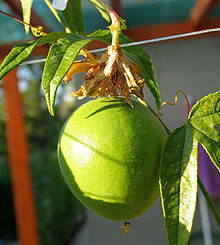
Maypop is North America's most famous native passionflower, producing stunning lavender-and-white blossoms followed by edible tropical-flavored fruits. Native throughout much of the southeastern United States, this vigorous perennial vine has long been admired for its exotic flowers, delicious fruits, wildlife value, and remarkable adaptability.
Although many people assume passionflowers are strictly tropical plants, Maypop proves otherwise. It can survive winter temperatures that would kill most passionfruit species, returning from its roots each spring to produce masses of foliage, flowers, and fruit.
The unusual common name "Maypop" comes from the ripe fruits, which may make a popping sound when stepped on.
Plant Characteristics- Botanical Name: Passiflora incarnata
- Common Names: Maypop, Purple Passionflower, Wild Passionflower, Apricot Vine
- Plant Type: Perennial fruiting vine
- USDA Zones: 5-10
- Height: 10-25 feet
- Spread: Variable depending on support
- Sun Requirements: Full sun to partial shade
- Flower Color: Lavender, white, purple, and blue
- Bloom Time: Summer through early fall
- Fruit Color: Green ripening to yellow
Maypop fruits are egg-shaped and filled with fragrant orange pulp surrounding edible seeds. The flavor is sweet, tropical, and pleasantly aromatic, often compared to a blend of guava, apricot, citrus, and commercial passionfruit.
- Fresh eating
- Fruit juices
- Smoothies
- Jellies and preserves
- Desserts
- Fruit sauces
- Ice cream flavoring
- Wine making
The fruits are best harvested when they turn yellow and begin falling naturally from the vine.
Important NoteMaypop vines often die back completely to the ground during winter in colder climates. This is normal. Healthy plants typically resprout vigorously from their root systems in spring.
Germination Instructions- Remove seeds from ripe fruit and wash thoroughly.
- Soak seeds in warm water for 24 hours.
- For improved germination, lightly scarify the seed coat.
- Cold stratify for 30-60 days if desired.
- Sow approximately 1/4 inch deep in a well-drained seed-starting mix.
- Maintain temperatures between 75-85°F.
- Keep soil evenly moist.
- Germination may occur within several weeks but can sometimes take several months.
Maypop thrives in sunny locations with well-drained soil. Once established, it is surprisingly drought tolerant and capable of rapid growth during warm weather.
The vine readily climbs fences, trellises, arbors, and pergolas using coiling tendrils. In favorable conditions, it may spread by underground runners and form attractive colonies.
Because it is native to much of the southeastern United States, Maypop is exceptionally well adapted to heat, humidity, and challenging summer conditions.
Container GrowingMaypop grows very well in containers.
- Use a container of at least 10-20 gallons.
- Provide a sturdy trellis or support.
- Use fertile, well-drained potting soil.
- Water regularly during active growth.
- Prune as needed to maintain size.
- Protect containers from severe winter freezing.
Container-grown plants can provide excellent fruit production while allowing easy control of the vine's spread.
Pollinator ValueFew native vines equal Maypop for pollinator appeal. The spectacular flowers attract bees, butterflies, carpenter bees, bumblebees, and numerous beneficial insects.
The large flowers are among the most visually striking native blooms found in North America.
Wildlife ValueMaypop is one of the most valuable butterfly host plants available to gardeners. It serves as an important larval host for Gulf Fritillary butterflies, Variegated Fritillaries, Zebra Longwings, and several other species.
Birds and small mammals may also consume the fruits, while the dense vines provide cover for wildlife.
Historical and Cultural SignificanceNative American tribes utilized Maypop fruits long before European settlement. Early settlers quickly adopted the plant, appreciating both its edible fruit and ornamental beauty.
Spanish missionaries were fascinated by the flower's unusual structure and associated various floral parts with symbols of the Passion of Christ, giving rise to the common name "Passionflower."
Throughout the American South, Maypop became a familiar wild fruit gathered by generations of rural families.
Interesting Botanical Facts- Maypop is one of the most cold-hardy passionfruit species.
- It is native to much of the southeastern United States.
- The flowers may reach 3-4 inches across.
- The vine climbs using specialized tendrils.
- It serves as a host plant for several beautiful butterfly species.
Maypop may be the perfect passionfruit for American gardeners. It delivers the same exotic flowers and tropical-flavored fruits that make passionflowers famous, yet it possesses a level of cold hardiness that surprises many growers. In fact, countless gardeners first discover Maypop growing wild along roadsides, fence rows, and woodland edges. Add in its tremendous value to butterflies and pollinators, and it becomes clear why this native vine has earned a special place in gardens across the country. Few plants offer such an impressive combination of beauty, wildlife value, history, and edible rewards.
For additional growing details, see our Maypop Passiflora Seeds AI fact sheet.
For over a thousand more unique seed varieties, all in stock and ready to ship, visit our Seed Catalog Index Page .

Contact Us | Privacy Policy | About Us
Serving gardeners since 1992
State of Mississippi Seedmen's Permit #C-391, Ohio 90152, Minnesota 20086777