
Passion Fruit Seeds
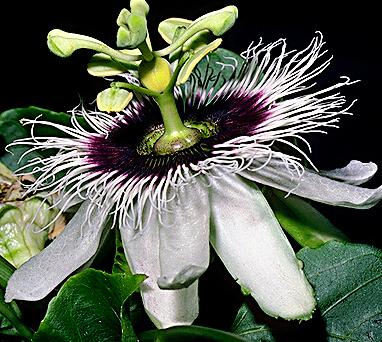
Passion Fruit is a vigorous tropical vine famous for its extraordinary flowers and highly aromatic fruits. Native to South America, particularly Brazil, Paraguay, and northern Argentina, this fast-growing climber produces some of the most striking blooms found in nature, followed by delicious purple fruits filled with fragrant golden pulp.
The sweet-tart flavor of Passion Fruit is prized worldwide and has become a favorite ingredient in juices, desserts, candies, and tropical beverages. Combined with its ornamental beauty and productivity, Passion Fruit remains one of the most rewarding fruits for home gardeners in warm climates.
Plant Characteristics- Botanical Name: Passiflora edulis
- Common Names: Passion Fruit, Purple Passion Fruit, Maracuja
- Plant Type: Evergreen or semi-evergreen fruiting vine
- USDA Zones: 9-11
- Height: 15-30 feet or more
- Spread: Variable depending on support structure
- Sun Requirements: Full sun
- Flower Color: White, purple, blue, and lavender
- Bloom Time: Spring through fall
- Fruit Color: Purple when ripe
Passion Fruit contains aromatic orange-yellow pulp surrounding edible black seeds. The flavor is intensely tropical, combining notes of citrus, pineapple, guava, and mango with a refreshing tartness.
- Fresh eating
- Fruit juices
- Smoothies
- Ice cream flavoring
- Cheesecakes and desserts
- Fruit sauces
- Cocktails and beverages
- Jams and preserves
The pulp is rich in vitamin C, antioxidants, and natural fruit sugars, making it one of the world's most popular tropical fruits.
Important NoteRipe Passion Fruits often fall naturally from the vine. In many growing regions, the best fruits are collected from the ground after they have naturally detached. Slight wrinkling of the skin is often a sign of peak sweetness rather than poor quality.
Germination Instructions- Remove seeds from ripe fruit and rinse away pulp.
- Allow seeds to dry for 24 hours.
- Soak seeds in warm water for 24 hours before planting.
- Sow approximately 1/4 inch deep in seed-starting mix.
- Maintain temperatures between 75-85°F.
- Keep soil consistently moist but not waterlogged.
- Provide bright light.
- Germination typically occurs within 2-8 weeks, although some seeds may take longer.
Passion Fruit thrives in warm climates with full sun and fertile, well-drained soil. The vine grows rapidly and benefits from strong support structures such as trellises, fences, arbors, or pergolas.
Regular watering promotes vigorous growth and fruit production, although established plants exhibit moderate drought tolerance.
Pruning can help control growth and encourage increased flowering and fruiting.
Container GrowingPassion Fruit adapts surprisingly well to container cultivation.
- Use a container of at least 15-25 gallons.
- Provide a sturdy trellis or support.
- Use fertile, well-drained potting soil.
- Place in full sun.
- Water consistently.
- Prune regularly to maintain size.
Container-grown vines can produce excellent harvests and are popular in patios, greenhouses, and sunrooms.
Pollinator ValuePassion Fruit flowers are among the most attractive blossoms for bees, butterflies, carpenter bees, and other pollinators. The intricate floral structure evolved to encourage efficient pollination and supports a wide variety of beneficial insects.
In some tropical regions, the flowers are also visited by hummingbirds.
Wildlife ValueThe dense vines provide shelter for birds and beneficial insects. The flowers support pollinators while the fruits may be consumed by birds and small mammals.
Passionflower species also serve as host plants for several butterfly species, making them valuable additions to wildlife gardens.
Historical and Cultural SignificancePassion Fruit and its relatives were cultivated by Indigenous peoples of South America long before European exploration. Spanish missionaries later encountered the remarkable flowers and saw symbolic religious imagery within the bloom's structure.
The name "Passion Flower" originates from the Christian "Passion of Christ." Missionaries associated various flower parts with elements of the crucifixion story, including the crown-like filaments, nails, and other symbolic features.
This unique interpretation helped spread the plant throughout Europe and eventually around the world.
Interesting Botanical Facts- The Passion Flower is one of the most complex flowers in the plant kingdom.
- There are more than 500 species of Passiflora.
- Many species produce edible fruits.
- The vine uses tendrils to climb and secure itself to supports.
- Some passionflower species serve as host plants for Gulf Fritillary butterflies.
Few plants can match Passion Fruit for sheer garden drama. The flowers look almost unreal, as though they were designed by an artist rather than nature. Yet behind that exotic beauty lies one of the world's most beloved tropical fruits. Visitors often stop to admire the blossoms, only to discover later that the vine also produces delicious aromatic fruit. The combination of ornamental beauty, pollinator value, and outstanding flavor makes Passion Fruit one of the most rewarding vines a gardener can grow.
For over a thousand more unique seed varieties, all in stock and ready to ship, visit our Seed Catalog Index Page.

Contact Us | Privacy Policy | About Us
Serving gardeners since 1992
State of Mississippi Seedmen's Permit #C-391, Ohio 90152, Minnesota 20086777