
Paw Paw Tree Seeds
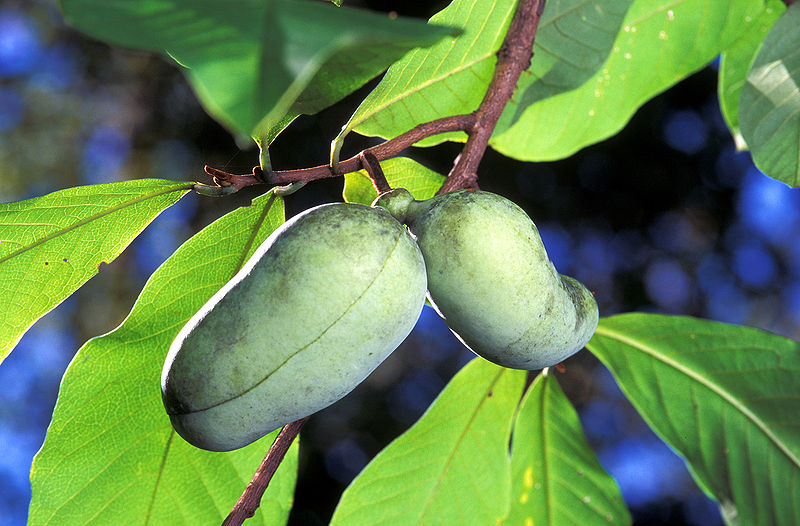
Paw Paw is one of North America's most remarkable native fruit trees, producing the largest edible fruit native to the United States. Sometimes called the "poor man's banana" or "American custard apple," Asimina triloba produces unusual green fruits with soft, creamy flesh and a rich tropical flavor often compared to banana, mango, melon, pineapple, and vanilla custard.
Despite its tropical-tasting fruit, Paw Paw is a cold-hardy deciduous tree native to woodland areas of the eastern United States. It thrives in rich, moist soil and is naturally found growing as an understory tree along streams, forest edges, and shaded slopes. Its large, drooping leaves give the tree a lush, almost tropical appearance in summer, followed by golden-yellow fall color.
In spring, Paw Paw trees produce distinctive maroon to purple-brown flowers before the leaves fully expand. These flowers are followed by clusters of oblong fruits that ripen in late summer to early fall. The fruit has a custard-like texture and is best eaten fresh when fully ripe.
Uses- Fresh eating.
- Ice cream and frozen desserts.
- Smoothies and milkshakes.
- Breads, cakes, and baked goods.
- Native edible landscaping.
- Wildlife plantings.
- Woodland gardens.
- Rare fruit collections.
- Paw Paw seeds should never be allowed to dry out completely.
- Cold stratify fresh seeds in moist peat moss, sand, or vermiculite for 90-120 days at 35-40°F (2-4°C).
- After stratification, sow seeds 1 inch deep in a deep container to accommodate the long taproot.
- Maintain temperatures of 75-85°F (24-29°C).
- Keep soil consistently moist but not waterlogged.
- Germination can be slow and may take several weeks to several months.
- Seedlings often develop a strong root system before producing much top growth.
- Botanical Name: Asimina triloba
- Plant Type: Deciduous fruit tree
- Family: Annonaceae (Custard Apple Family)
- USDA Zones: 5-9
- Sun Exposure: Partial shade when young; full sun once established
- Soil: Rich, deep, fertile, well-drained soil
- Water: Consistent moisture
- Height: 15-30 feet
- Growth Rate: Moderate
- Fruit Season: Late summer to early fall
Paw Paw trees are naturally adapted to woodland conditions and benefit from protection during their early years. Young seedlings prefer partial shade and steady moisture, while mature trees can handle more sun and produce heavier crops when grown in bright locations.
Container GrowingPaw Paw can be started in containers, but deep pots are strongly recommended because seedlings quickly develop a long taproot. Avoid shallow seed trays whenever possible. Young trees should be transplanted carefully to avoid disturbing the root system. Long-term fruit production is best achieved when trees are planted in the ground.
Special Features- Largest edible fruit native to North America.
- Cold-hardy member of the tropical custard apple family.
- Rich tropical flavor with custard-like flesh.
- Excellent native fruit tree.
- Attractive tropical-looking foliage.
- Supports native wildlife.
- Host plant for the Zebra Swallowtail butterfly.
- Excellent for edible woodland gardens.
Paw Paw fruit contains vitamin C, magnesium, potassium, iron, amino acids, dietary fiber, and natural sugars. Its rich, creamy texture makes it especially popular in desserts, smoothies, and fresh fruit preparations.
Seedman Growing NotePaw Paw seeds are very sensitive to drying and should be planted or stratified as soon as possible. Seedlings are known for producing a long taproot early, so deep containers are recommended. For best fruit production, plant at least two genetically different trees to encourage cross-pollination. Young seedlings also benefit from shade during their first year or two before gradually adapting to more sun.
Paw Paw Tree (Asimina triloba) is a truly special native fruit tree, combining tropical flavor, cold hardiness, ornamental beauty, and ecological value. For gardeners interested in native edible plants, unusual fruits, or wildlife-friendly landscapes, Paw Paw is one of the most rewarding trees to grow from seed.