
Pepino Fruit Seeds
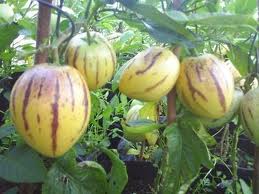
Pepino, often called Pepino Melon or Sweet Pepino, is a fascinating fruiting plant native to the Andes Mountains of South America. Despite belonging to the same family as tomatoes and potatoes, Pepino produces attractive melon-like fruits with a refreshing sweet flavor that many people compare to honeydew melon, cantaloupe, pear, and cucumber.
The plant forms an attractive shrubby perennial with glossy green foliage and beautiful lavender flowers. The fruits ripen to creamy yellow with striking purple stripes, making them as ornamental as they are delicious.
Easy growth, rapid production, and unique fruits have made Pepino increasingly popular among collectors of unusual edible plants.
Plant Characteristics- Botanical Name: Solanum muricatum
- Common Names: Pepino, Pepino Melon, Sweet Pepino, Melon Pear
- Plant Type: Tender perennial fruiting shrub
- USDA Zones: 9-11
- Height: 2-5 feet
- Spread: 3-5 feet
- Sun Requirements: Full sun to partial shade
- Flower Color: White to lavender with purple markings
- Bloom Time: Spring through summer
- Fruit Color: Creamy yellow with purple striping
Pepino fruits are smooth-skinned, juicy, and highly aromatic. When fully ripe, they develop a refreshing sweetness often compared to melon, pear, and tropical fruit.
- Fresh eating
- Fruit salads
- Smoothies
- Desserts
- Juices
- Fruit platters
- Chilled summer snacks
- Specialty fruit collections
The thin skin is edible, and the fruit is often enjoyed chilled for maximum flavor.
Important NotePepino fruits should be harvested when the skin develops a creamy golden color and a noticeable sweet fragrance. Fully ripe fruits offer significantly better flavor than immature fruits.
Germination Instructions- Sow seeds on the surface of a sterile seed-starting mix.
- Lightly press seeds into the medium but do not bury deeply.
- Maintain temperatures of 70-80°F.
- Provide bright light.
- Keep soil evenly moist.
- Germination usually occurs within 10-30 days.
- Transplant seedlings after several true leaves develop.
- Protect young plants from frost.
Pepino grows best in fertile, well-drained soil with regular moisture. It prefers mild temperatures and can produce fruit continuously in frost-free climates.
Plants benefit from staking or support when carrying heavy fruit loads. Regular feeding and watering encourage vigorous growth and abundant fruit production.
In favorable conditions, plants may remain productive for several years.
Container GrowingPepino is exceptionally well suited to container cultivation.
- Use containers of at least 5-10 gallons.
- Provide rich, well-drained potting soil.
- Place in full sun.
- Water regularly.
- Fertilize during active growth.
- Move indoors before frost in cooler climates.
Many gardeners successfully grow Pepino in containers on patios, decks, and greenhouses.
Pollinator ValueThe attractive lavender flowers attract bees and other beneficial pollinators. Although plants are often self-fertile, pollinator activity can improve fruit set.
Flowering continues over an extended season under favorable conditions.
Wildlife ValueFlowers provide nectar and pollen resources for pollinating insects. Mature plants also offer shelter for beneficial garden insects.
Birds occasionally sample ripe fruits if allowed access.
Historical and Cultural SignificancePepino has been cultivated in South America for centuries and was grown by pre-Columbian civilizations long before European contact. Archaeological evidence suggests that Pepino was an important crop in parts of Peru and surrounding Andean regions.
Although less well known internationally than tomatoes or potatoes, Pepino remains a cherished fruit in many South American countries.
Its popularity continues to grow among gardeners interested in unusual edible plants.
Interesting Botanical Facts- Pepino belongs to the same family as tomatoes and potatoes.
- Its fruit tastes more like melon than tomato.
- The fruits often develop beautiful purple striping.
- Plants can begin fruiting within their first growing season.
- Pepino is technically a perennial in frost-free climates.
Pepino may be one of the most surprising fruits a gardener can grow. Most people expect a tomato-like flavor because of its botanical relatives, only to discover a refreshing melon-like fruit instead. The attractive striped fruits, beautiful flowers, and compact growth habit make it equally useful as an ornamental plant and edible crop. For gardeners seeking something truly different, Pepino offers a wonderful combination of beauty, productivity, and novelty.
Its ability to fruit quickly from seed makes it especially rewarding for gardeners who enjoy seeing results without waiting years for harvests.
Additional Seedman NoteOne of the most interesting aspects of Pepino is that it was being cultivated in the Andes long before tomatoes became globally famous. Archaeologists have found evidence suggesting Pepino was grown by ancient South American cultures centuries before Europeans first encountered the plant. Despite its long history, Pepino remains relatively uncommon today, making it one of the rare opportunities for modern gardeners to grow a fruit that still feels like a discovery.
For over a thousand more unique seed varieties, all in stock and ready to ship, visit our Seed Catalog Index Page .

Contact Us | Privacy Policy | About Us
Serving gardeners since 1992
State of Mississippi Seedmen's Permit #C-391, Ohio 90152, Minnesota 20086777