
Pomegranate Seeds
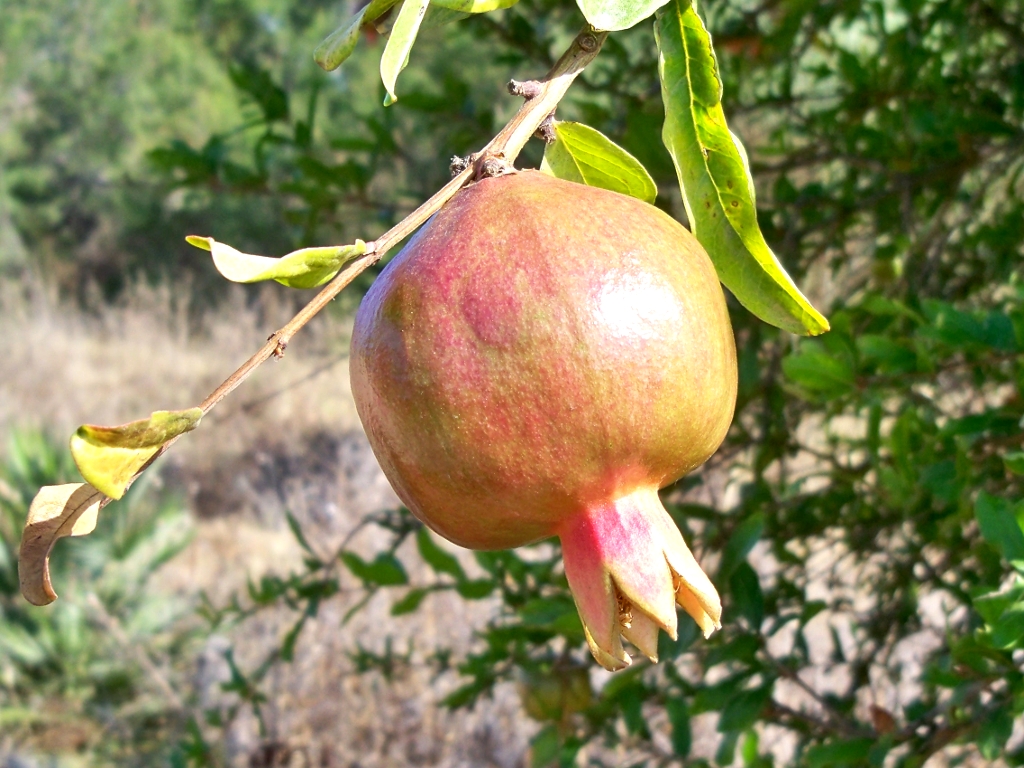
Pomegranate is a beautiful fruiting shrub or small tree prized for its brilliant orange-red flowers, ornamental appearance, and distinctive fruits filled with hundreds of juicy edible seeds known as arils. Native to regions extending from Iran through northern India, Pomegranate has been cultivated for more than 4,000 years and remains one of the world's most treasured fruits.
In spring and summer, the tree produces vivid trumpet-shaped blossoms that attract pollinators and add striking color to the landscape. By autumn, these flowers mature into round fruits filled with ruby-red arils that have become famous for their sweet-tart flavor and nutritional value.
Its beauty, productivity, drought tolerance, and extraordinary history make Pomegranate one of the most rewarding fruit plants a gardener can grow.
Plant Characteristics- Botanical Name: Punica granatum
- Common Names: Pomegranate, Granada, Apple of Granada
- Plant Type: Fruiting shrub or small tree
- USDA Zones: 7-11
- Height: 10-20 feet
- Spread: 8-15 feet
- Sun Requirements: Full sun
- Flower Color: Orange-red to scarlet
- Bloom Time: Spring through summer
- Fruit Color: Red, crimson, bronze-red, or yellow-red depending on variety
The fruits contain hundreds of translucent edible arils surrounding individual seeds. These jewel-like arils are sweet, refreshing, and packed with flavor.
- Fresh eating
- Juices
- Fruit salads
- Desserts
- Jellies and preserves
- Syrups and grenadine
- Middle Eastern cuisine
- Specialty beverages
Pomegranates are widely recognized for their antioxidant content and have become one of the world's most popular health-oriented fruits.
Important NotePomegranates become sweeter as fruits fully mature on the tree. Fruits are generally harvested when the skin develops full color and produces a metallic sound when tapped.
Germination Instructions- Remove seeds from ripe fruits.
- Wash thoroughly to remove pulp.
- Allow seeds to air dry for 24 hours.
- Sow approximately 1/4 inch deep in a well-drained seed-starting mix.
- Maintain temperatures between 70-85°F.
- Keep soil evenly moist.
- Provide bright light.
- Germination usually occurs within 2-6 weeks.
Pomegranates thrive in full sun and well-drained soil. They tolerate heat, drought, alkaline soils, and challenging growing conditions better than many fruit trees.
Once established, trees become remarkably drought tolerant and often produce excellent crops with minimal maintenance.
Pruning may be used to maintain either a shrub form or a more traditional small tree shape.
Container GrowingPomegranates are excellent candidates for container growing.
- Use containers of at least 15-25 gallons.
- Provide full sun exposure.
- Use well-drained potting soil.
- Water regularly during establishment.
- Prune as needed to maintain size.
- Protect containers from severe winter freezes.
Many gardeners successfully grow Pomegranates in containers for decades while still enjoying regular fruit production.
Pollinator ValueThe bright flowers attract honeybees, native bees, butterflies, hummingbirds, and numerous beneficial pollinators. Flowering plants often remain attractive to pollinators over an extended bloom season.
Wildlife ValueBirds occasionally feed on ripe fruits, while the dense branches provide nesting opportunities and seasonal shelter. The flowers contribute nectar resources to pollinator populations.
Historical and Cultural SignificanceFew fruits possess a richer cultural history than the Pomegranate. It appears in the mythology, literature, religion, and art of numerous civilizations including the Persians, Greeks, Romans, Egyptians, and Hebrews.
The fruit became a symbol of fertility, prosperity, abundance, and eternal life in many ancient cultures. Pomegranates were cultivated throughout the ancient world long before the rise of modern agriculture.
Today, they remain deeply woven into the culinary traditions of the Mediterranean, Middle East, Central Asia, and beyond.
Interesting Botanical Facts- A single fruit may contain several hundred edible arils.
- Pomegranates have been cultivated for over 4,000 years.
- The fruit is technically classified as a berry.
- The flowers are among the most ornamental of any fruit tree.
- The genus Punica contains very few species.
If there is a "royalty" among fruits, Pomegranate would certainly qualify. Ancient kings planted it, poets wrote about it, merchants traded it across continents, and entire cultures adopted it as a symbol of abundance and prosperity. Yet despite its ancient reputation, it remains one of the easiest fruiting plants to grow in warm climates. With spectacular flowers, attractive fruits, drought tolerance, and thousands of years of history, Pomegranate offers gardeners a direct connection to one of humanity's oldest cultivated crops.
Even today, cutting open a ripe pomegranate reveals hundreds of sparkling ruby-red arils that look almost like gemstones—a feature that has fascinated people for millennia.
For additional growing details, see our Pomegranate Seeds AI fact sheet.
For over a thousand more unique seed varieties, all in stock and ready to ship, visit our Seed Catalog Index Page .

Contact Us | Privacy Policy | About Us
Serving gardeners since 1992
State of Mississippi Seedmen's Permit #C-391, Ohio 90152, Minnesota 20086777