
Quince Seeds
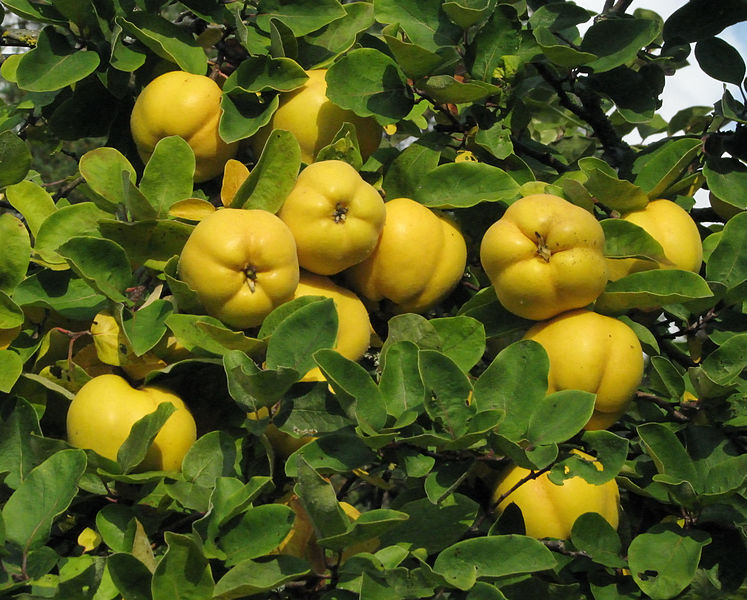

Quince is one of the oldest cultivated fruit trees in the world, prized for its fragrant golden fruits, ornamental beauty, and remarkable culinary versatility. Native to regions stretching from the Caucasus Mountains through Western Asia, Cydonia oblonga has been grown for more than 4,000 years and was highly valued by the ancient Greeks, Romans, and Persians.
In spring, Quince trees produce beautiful pink-tinged white blossoms that resemble oversized apple flowers. By autumn, the branches are laden with large golden-yellow fruits that release an intense, sweet fragrance unlike any other orchard fruit. The aroma is often described as a blend of apple, pear, citrus, and tropical flowers.
While Quince fruits are generally too firm and tart to eat raw, they transform when cooked. The flesh softens dramatically, develops a beautiful rosy color, and acquires a rich flavor that has made Quince a favorite for jellies, jams, preserves, desserts, syrups, and traditional recipes for centuries.
Uses- Jellies and preserves.
- Marmalades.
- Pies and desserts.
- Syrups and sauces.
- Traditional fruit pastes.
- Edible landscaping.
- Pollinator gardens.
- Ornamental flowering tree.
- Remove seeds from ripe fruit.
- Clean away all fruit pulp.
- Mix seeds with moist peat moss or vermiculite.
- Cold stratify for 60-90 days at 35-40°F (2-4°C).
- Sow seeds 1/4 to 1/2 inch deep in a well-drained seed-starting mix.
- Maintain even moisture.
- Provide bright light after germination.
- Transplant seedlings once established.
- Botanical Name: Cydonia oblonga
- Plant Type: Deciduous fruit tree
- USDA Zones: 5-9
- Sun Exposure: Full sun
- Soil: Fertile, well-drained soil
- Water: Moderate moisture
- Height: 10-20 feet
- Spread: 10-15 feet
- Growth Rate: Moderate
- Harvest Season: Autumn
Quince trees are relatively easy to grow and adapt well to many climates. They prefer sunny locations and benefit from regular moisture during fruit development. Mature trees are productive, attractive, and capable of providing harvests for many years.
Fruit CharacteristicsQuince fruits are rich in natural pectin, making them ideal for jams and jellies. When cooked, the pale flesh develops a beautiful pink to reddish color and releases an exceptional fragrance. The fruits are often combined with apples and pears in traditional recipes to enhance flavor and texture.
Pollinator BenefitsThe large spring flowers attract bees and other beneficial pollinators. Blooming after many early spring fruit trees, Quince helps extend the nectar and pollen season for pollinating insects.
Special Features- One of the oldest cultivated fruit trees.
- Highly fragrant golden fruits.
- Excellent source of natural pectin.
- Beautiful spring blossoms.
- Suitable for smaller landscapes.
- Excellent edible landscape plant.
- Long-lived and productive.
- Historic culinary fruit.
Quince was highly prized in ancient Greece and Rome and is believed by some historians to have been the original "golden apple" referenced in several classical myths. In ancient times, Quince fruits were often associated with love, marriage, and fertility.
For centuries, bowls of ripe Quince were placed in homes simply for their extraordinary fragrance. Before modern air fresheners and perfumes became common, the fruits were valued for naturally scenting rooms and storage areas.
The traditional Spanish fruit confection known as "Membrillo" is made from Quince and remains popular throughout Europe and Latin America today.
Seedman Growing NoteMany gardeners first discover Quince because of its beautiful flowers but become lifelong fans because of the fruit's incredible fragrance. Even before harvest, the scent of ripening fruits can perfume an entire room when brought indoors.
Quince is also an excellent choice for edible landscaping because it combines ornamental flowers, attractive fruit, pollinator value, and useful harvests in a compact tree suitable for many home gardens.
Quince (Cydonia oblonga) is a fascinating fruit tree that blends beauty, history, fragrance, and culinary value. With thousands of years of cultivation behind it, Quince remains one of the most rewarding and distinctive fruits available to gardeners today.
For over a thousand more unique seed varieties, all in stock and ready to ship, visit our Seed Catalog Index Page .

Contact Us | Privacy Policy | About Us
Serving gardeners since 1992
State of Mississippi Seedmen's Permit #C-391, Ohio 90152, Minnesota 20086777