
Riverbank Grape Seeds
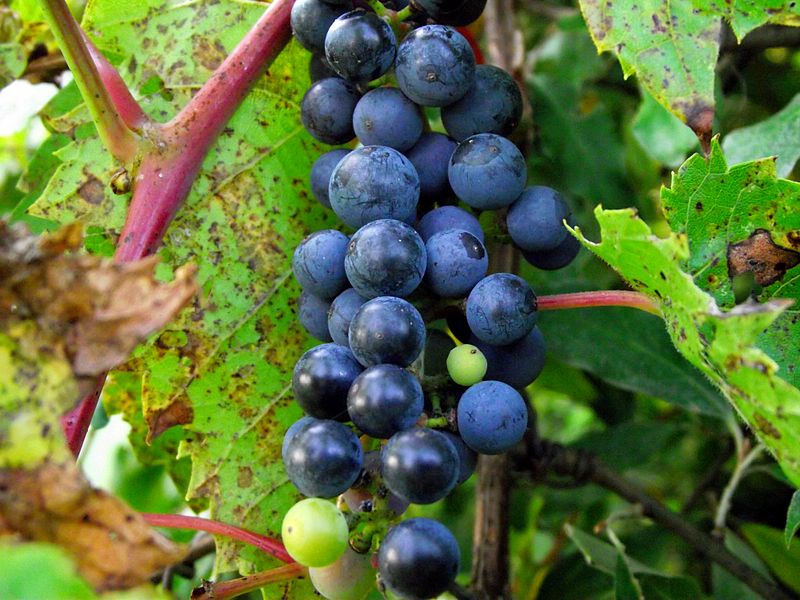
Riverbank Grape is a hardy native grapevine found across much of North America, from Canada southward through the United States. Growing naturally along streams, riverbanks, woodland edges, and floodplains, it is one of the most widespread and adaptable wild grape species on the continent.
This vigorous climbing vine produces abundant clusters of small blue-black grapes that provide food for wildlife and can be used for juices, jellies, wines, and preserves. Its rapid growth, exceptional cold hardiness, and resistance to environmental stresses have made it one of the most important grape species in modern breeding programs.
For wildlife plantings, edible landscapes, and native habitat restoration, Riverbank Grape is difficult to surpass.
Plant Characteristics- Botanical Name: Vitis riparia
- Common Names: Riverbank Grape, Frost Grape, Northern Fox Grape
- Plant Type: Deciduous woody vine
- USDA Zones: 2-8
- Height: 20-60 feet with support
- Spread: Variable depending on training
- Sun Requirements: Full sun to partial shade
- Flower Color: Greenish-yellow
- Bloom Time: Late spring
- Fruit Color: Blue-black to purple-black
The grapes are smaller than most cultivated varieties but develop a pleasant sweet-tart flavor, particularly after exposure to cool autumn temperatures.
- Fresh eating
- Jellies and jams
- Juices
- Homemade wines
- Fruit preserves
- Wildlife food source
- Native food plantings
- Breeding programs
The fruits often become sweeter after light frosts, which explains one of the species' common names, Frost Grape.
Important NoteRiverbank Grape is one of the most cold-hardy grape species in North America. It has contributed valuable cold tolerance and disease resistance genes to many modern grape cultivars.
Germination Instructions- Remove seeds from ripe fruits.
- Wash thoroughly to remove pulp.
- Cold stratify for 60-90 days at 34-40°F.
- Sow approximately 1/4 to 1/2 inch deep.
- Maintain even moisture.
- Provide temperatures of 65-75°F after stratification.
- Germination generally occurs during spring warming.
- Provide support for developing vines.
Riverbank Grape adapts to a wide range of soils and growing conditions. It naturally thrives near rivers and streams but tolerates many other environments as well.
Plants grow rapidly and benefit from trellises, fences, arbors, or other sturdy support structures.
Annual pruning helps improve fruit production and maintain manageable growth.
Container GrowingYoung vines may be grown in containers during establishment.
- Use large containers with excellent drainage.
- Provide strong support structures.
- Maintain regular watering.
- Provide full sun whenever possible.
- Transplant into the landscape as vines mature.
Permanent outdoor planting is recommended for long-term growth and fruit production.
Pollinator ValueThe small flowers attract bees, hoverflies, and numerous beneficial insects. Flowering vines contribute important nectar and pollen resources to the ecosystem.
Pollinator activity helps maximize fruit set and productivity.
Wildlife ValueRiverbank Grape is one of the most valuable wildlife vines in North America. The fruits are consumed by songbirds, wild turkey, grouse, raccoons, foxes, opossums, deer, bears, and countless other animals.
The dense growth also provides nesting habitat, shelter, and cover throughout the year.
Historical and Cultural SignificanceNative American tribes harvested Riverbank Grapes for food and utilized the vines and fruits for various traditional purposes. Early settlers also gathered the fruit and recognized its value as a reliable wild food source.
During the nineteenth century, breeders discovered that Riverbank Grape possessed exceptional hardiness and disease resistance, making it invaluable for improving cultivated grapes.
Today, its genetics continue to influence grape breeding programs worldwide.
Interesting Botanical Facts- The species name riparia means "of riverbanks."
- Riverbank Grape ranges farther north than many other grape species.
- The fruits often sweeten after frost.
- It is widely used as grape rootstock.
- Vines can grow dozens of feet in a single season under ideal conditions.
Riverbank Grape is one of those plants whose importance extends far beyond its own fruit. While the grapes themselves are useful and attractive, the species has quietly helped shape the modern grape industry through its contributions to breeding and rootstock development. For gardeners, it offers beautiful foliage, edible fruit, wildlife benefits, and outstanding hardiness. For breeders, it represents one of the most valuable native grape species ever discovered.
Its ability to thrive in challenging environments makes it especially useful for naturalized plantings and habitat restoration projects.
Additional Seedman NotePerhaps the most remarkable chapter in Riverbank Grape history occurred during the nineteenth-century European grape crisis caused by Phylloxera, a tiny root-feeding insect. European vineyards suffered catastrophic losses, but American grape species such as Riverbank Grape possessed natural resistance. By grafting European wine grapes onto resistant American rootstocks, growers saved much of the world's wine industry. In a very real sense, this humble North American vine helped rescue vineyards across Europe and preserve centuries of winemaking traditions.
Note: These seeds need to be cold statified before sowing. We recommend using the Seedman's Cold Stratification Kits for cold stratification.
For additional growing details, see our Riverbank Grape Seeds AI fact sheet.
For over a thousand more unique seed varieties, all in stock and ready to ship, visit our Seed Catalog Index Page .

Contact Us | Privacy Policy | About Us
Serving gardeners since 1992
State of Mississippi Seedmen's Permit #C-391, Ohio 90152, Minnesota 20086777