
Sancoya Seeds
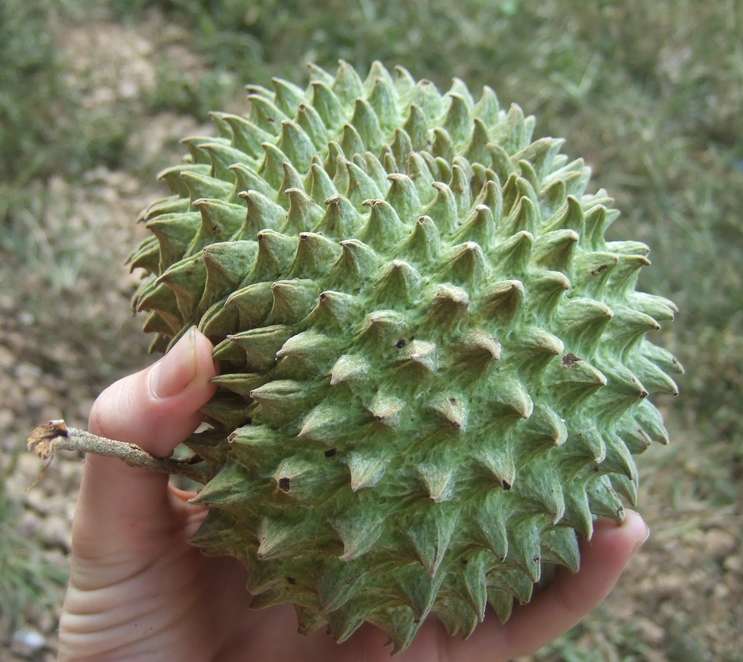
Sancoya is one of the most unusual and rarely grown members of the custard apple family, producing large, striking purple-red fruits filled with creamy, aromatic flesh. Native to tropical regions of Central America and Mexico, this impressive fruit tree has long been valued by local growers for its distinctive appearance, tropical flavor, and ornamental beauty.
The large fruits develop a deep reddish-purple to maroon exterior and can reach impressive sizes when mature. Inside, the soft cream-colored flesh surrounds glossy black seeds and offers a rich, sweet flavor often compared to a combination of cherimoya, custard apple, banana, and tropical citrus. The unusual fruits make Sancoya a prized addition to collections of rare and exotic fruit trees.
In addition to its fruit, Sancoya develops into an attractive tropical tree with large glossy leaves and unusual reddish flowers. Its lush appearance makes it equally valuable as an ornamental specimen in tropical landscapes, botanical collections, and edible gardens.
Uses- Fresh eating.
- Exotic fruit collections.
- Tropical orchards.
- Botanical gardens.
- Smoothies and desserts.
- Rare fruit breeding programs.
- Ornamental tropical landscaping.
- Greenhouse and conservatory culture.
- Soak seeds in warm water for 24-48 hours before planting.
- Sow seeds 1/2 inch deep in a well-drained seed-starting mix.
- Maintain temperatures between 75-90°F (24-32°C).
- Keep the growing medium consistently moist but not saturated.
- Provide bright filtered light.
- High humidity may improve germination success.
- Germination typically occurs within several weeks but may be somewhat irregular.
- Botanical Name: Annona purpurea
- Plant Type: Tropical fruit tree
- Family: Annonaceae (Custard Apple Family)
- USDA Zones: 10-12
- Sun Exposure: Full sun
- Soil: Rich, fertile, well-drained soil
- Water: Regular moisture during active growth
- Height: 20-40 feet or more
- Growth Rate: Moderate
- Fruit Season: Varies with climate
Sancoya thrives in warm tropical and subtropical climates where frost is absent. Young trees benefit from regular watering and protection from prolonged cold temperatures. Once established, plants become more resilient and can develop into impressive specimen trees.
Container GrowingYoung plants can be maintained in large containers for several years and are excellent candidates for greenhouse culture in cooler climates. Use a rich, well-drained potting mix and provide ample warmth, sunlight, and humidity. Long-term fruit production is generally best achieved when trees are planted in the ground in suitable climates.
Special Features- Extremely rare tropical fruit tree.
- Large purple-red fruits.
- Creamy, aromatic flesh.
- Member of the prized custard apple family.
- Attractive tropical foliage.
- Excellent collector's plant.
- Unique ornamental and edible value.
- Suitable for greenhouse cultivation.
Like many members of the Annona family, Sancoya fruits contain natural sugars, dietary fiber, vitamins, and beneficial plant compounds. The soft, custard-like flesh is enjoyed fresh and is often incorporated into beverages, desserts, and tropical fruit dishes.
Seedman Growing NoteSancoya is one of the lesser-known Annona species and is rarely encountered outside its native range. Seed-grown plants may vary in fruit quality, size, and growth habit. Because of its tropical nature, growers in cooler regions should plan for greenhouse, conservatory, or protected cultivation. Patience is rewarded, as mature trees can become truly spectacular specimens.
Sancoya (Annona purpurea) offers adventurous gardeners the opportunity to grow one of the world's more unusual tropical fruits. Combining dramatic appearance, delicious custard-like flesh, and collector appeal, it is a fascinating addition to any rare fruit collection.
For over a thousand more unique seed varieties, all in stock and ready to ship, visit our Seed Catalog Index Page .

Contact Us | Privacy Policy | About Us
Serving gardeners since 1992
State of Mississippi Seedmen's Permit #C-391, Ohio 90152, Minnesota 20086777